 St. Petersburg
 Exterior Work Built for Gulfport's Waterfront Conditions
Gulfport sits on Boca Ciega Bay, and that waterfront location shapes almost everything about how a home's exterior ages here. Homes in this part of Pinellas County are close enough to open water that salt-laden air is a daily reality, not an occasional nuisance. Add in Florida's intense year-round UV, wind-driven rain off the bay, and the wind loads that come with any hurricane-season system tracking through the Tampa Bay area, and you have a climate that is genuinely hard on siding, roofing, and windows. We work throughout St. Petersburg and the surrounding Pinellas communities, and Gulfport's combination of coastal exposure and a mix of older bungalow-style and mid-century homes makes it one of the areas where getting the exterior right — and getting it installed correctly — matters most.
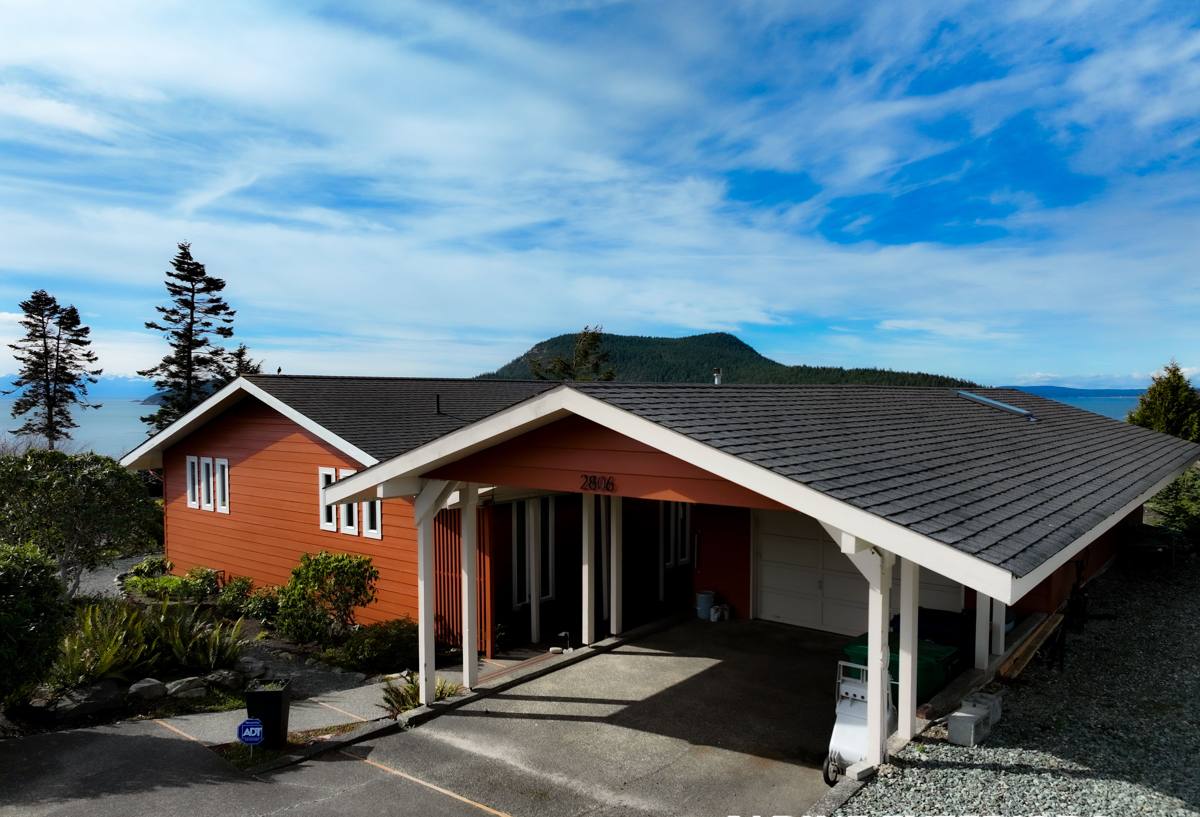
What Gulfport's Climate Does to a Home's Exterior
Salt Air and Corrosion
Proximity to the bay means airborne salt settles on siding, trim, fasteners, and roofing components even on a normal breezy day. Salt accelerates corrosion in metal fasteners and flashing, and it can degrade certain siding materials faster than manufacturers' general climate ratings would suggest. Materials and installation details that work fine forty miles inland don't always hold up the same way a few blocks from open water.
UV and Heat Cycling
Florida sun is relentless, and a west- or south-facing wall in Gulfport can see extreme surface temperatures for hours at a stretch. Paint film breaks down, caulk joints dry out and crack, and some siding substrates expand and contract enough over years of heat cycling to loosen fasteners or open seams. This is less about any single hot day and more about the cumulative effect of thousands of them.
Wind-Driven Rain and Storm Wind Loads
Rain that arrives sideways during a storm doesn't behave like rain falling straight down — it gets forced up under laps, into seams, and around window and door openings. Combine that with hurricane-force wind gusts and the pressure differentials they create around a building, and you can see why the weak points on a home's exterior are almost always at the joints and transitions: siding laps, roof penetrations, window flanges, and trim intersections.
Siding in Gulfport: Why We Install James Hardie Fiber Cement Only
We install James Hardie fiber cement siding exclusively. We don't install vinyl siding, LP SmartSide, Cemplank, Allura, or primed spruce or cedar, and we think homeowners deserve an honest explanation of why, rather than a sales pitch.
Vinyl
Vinyl is affordable and low-maintenance in mild climates, but it's a poor match for this kind of coastal wind and heat exposure. It can deform in sustained high heat, and in wind events it's more prone to cracking or blowing off than heavier fiber cement. It's also non-structural — it covers, but doesn't contribute much resistance to impact or wind pressure.
Wood Siding (Primed Spruce or Cedar)
Real wood has a look some homeowners love, but in a humid, salt-air environment it demands a maintenance schedule most people underestimate — regular repainting, caulk inspection, and vigilance against moisture intrusion and rot. Skip a cycle or two and the deterioration can be significant, especially on a home this close to the bay.
Engineered Wood (LP SmartSide) and Other Fiber Cement Brands (Cemplank, Allura)
LP SmartSide is a wood-strand product with an engineered resin coating; it performs reasonably well when installed and maintained correctly, but as a wood-based product it's still more moisture-sensitive at cut edges and seams than fiber cement, which matters in a wind-driven-rain climate. Cemplank and Allura are legitimate fiber cement competitors to James Hardie, and the core material science is similar — but we've standardized on James Hardie specifically for its ColorPlus factory-baked finish, its HZ5 product engineering for high-humidity climates, and the depth of its installer network and warranty backing here in Florida. Standardizing on one system also means our crews install it the same correct way every time, which is where most siding failures actually originate.
Why James Hardie
James Hardie fiber cement is non-combustible, resists moisture far better than wood-based products, and doesn't expand and contract with heat the way vinyl does. The ColorPlus factory finish is baked on under controlled conditions rather than field-painted, which gives it better color retention and a longer real-world lifespan in intense UV. Hardie's HZ5 line is engineered specifically for climates like ours, and the transferable warranty gives a homeowner real protection if the property changes hands. None of that matters, though, if the installation is sloppy — proper fastening, clearances, and flashing details are what actually keep water out over the long run, and that's where our crews focus.
| Siding Option | Salt Air Resistance | Wind/Storm Behavior | Maintenance Burden |
|---|---|---|---|
| James Hardie Fiber Cement | Strong | Rigid, well-rated wind ratings when installed to spec | Low — factory finish, occasional caulk checks |
| Vinyl | Fair, but can chalk/fade | Can crack or detach in high gusts | Low, but shorter realistic lifespan here |
| LP SmartSide (engineered wood) | Moderate — edge sealing critical | Decent if sealed and fastened correctly | Moderate — coating and seam upkeep |
| Cedar/Spruce Wood | Weak without diligent upkeep | Vulnerable to wind-driven rain intrusion | High — repainting, sealing, rot checks |
Roofing for a Boca Ciega Bay Address
Roofs in Gulfport take a similar beating: constant UV degrades shingle granules and sealant strips over time, salt air corrodes exposed metal flashing and fasteners faster than it would inland, and any named storm brings wind uplift risk at the edges, ridges, and penetrations. We evaluate underlayment quality, flashing details around chimneys and vents, and edge and ridge fastening as closely as the shingle or material choice itself, because those details are usually what determines whether a roof survives a bad wind event intact or ends up with lifted shingles and a leak.
What We Look At on a Roof Inspection
- Condition of shingle granules and any signs of UV-driven brittleness
- Flashing around chimneys, skylights, and roof penetrations
- Fastener corrosion, especially near the coast
- Edge and ridge attachment for wind resistance
- Attic ventilation and any signs of moisture intrusion below the deck
Windows: Impact Resistance and Sealing Matter More Here
Older Gulfport homes often still have original or aging windows that were never rated for today's Florida Building Code wind and impact standards. Beyond storm protection, aging window seals and frames let in humid air and UV, which drives up cooling costs and can lead to slow moisture problems around the frame. When we replace windows, we're looking at impact ratings appropriate for a coastal Pinellas County property, along with flashing and sealing details that keep wind-driven rain from finding its way behind the frame — a detail that matters as much as the glass itself.
Decks in a Salt Air, High-Humidity Environment
Outdoor living is a big part of why people choose to live in a walkable, waterfront community like Gulfport, and decks here face their own combination of UV exposure, humidity, and salt air that accelerates wear on fasteners and some decking materials faster than in drier inland climates. We factor that environment into material and fastener recommendations so a deck holds up to actual conditions on a bay-adjacent property, not just a generic spec sheet.
Why a Local Crew Matters in a Neighborhood Like Gulfport
Gulfport has its own character — a mix of older bungalow and mid-century homes, a walkable core, and a waterfront setting that's part of the town's identity. A crew that regularly works Pinellas County's coastal neighborhoods understands the practical realities: permitting through the applicable local jurisdiction, wind and flood-zone considerations that come with bay proximity, and the installation details that separate exterior work that lasts from work that fails at the first real storm. That local, repeated experience is worth more than a generalized national playbook.
What to Expect When You Work With Us
- An honest, no-pressure assessment of your siding, roof, windows, or deck
- A clear explanation of material options and why we recommend what we recommend
- Installation details — flashing, fastening, clearances — treated as seriously as material choice
- Straightforward answers about James Hardie and why it's the only siding system we install
Planning Exterior Work in Gulfport
Whether you're dealing with an aging roof, siding that's showing its age from years of sun and salt air, windows that no longer seal the way they should, or a deck that needs attention, the right approach starts with understanding what your specific property is facing. We're happy to walk a Gulfport property, point out what we see, and lay out real options — no pressure, no inflated claims, just a straightforward assessment from a crew that works this part of Pinellas County regularly. Request a free estimate using the form below and we'll get back to you to schedule a look at your home.