 St. Petersburg
 Windows Take a Beating in a Waterfront Community Like Gulfport
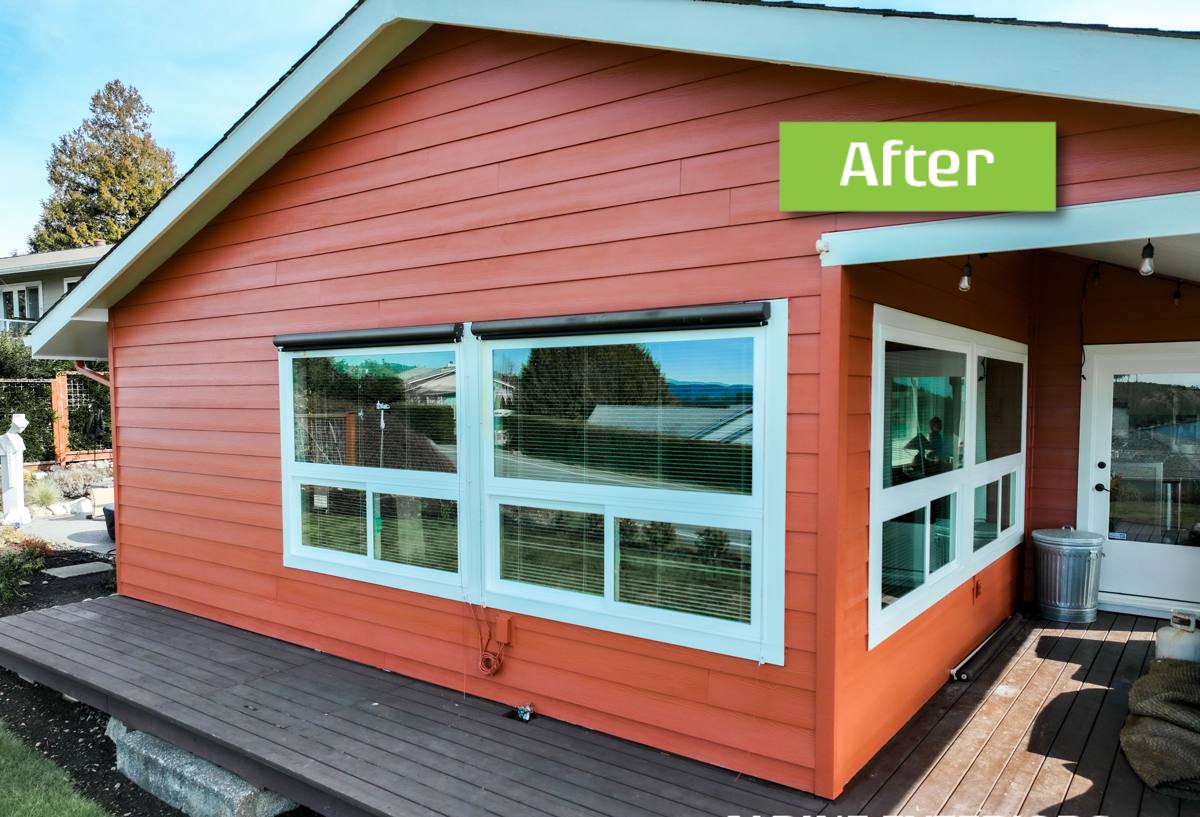
Gulfport sits right on Boca Ciega Bay, and that waterfront location is exactly what makes it such a distinctive place to live — and exactly what makes window replacement here different from window replacement a few miles inland. A window that would hold up fine in a landlocked subdivision can fail early in Gulfport simply because of what it's exposed to every single day: salt-laden air, near-constant UV, wind-driven rain off the bay, and the risk of hurricane-force gusts during storm season. If you're weighing window options for a Gulfport home, "energy-efficient" has to mean more than a good utility bill. It has to mean a window built to survive this specific environment while it saves you energy.
What Gulfport's Climate Actually Does to a Window Over Time
Salt Air and Metal Components
Being this close to the bay means airborne salt settles on everything, including window hardware, screen frames, and metal components inside the frame assembly. Over years, that salt exposure accelerates corrosion on lower-grade hardware and can pit or discolor finishes that weren't specified for coastal use. This is why the hardware and fastener specification matters just as much as the glass — a beautiful window with the wrong hardware grade will show its age fast this close to the water.
UV Exposure and Seal Failure
Florida's year-round sun is intense, and Pinellas County gets more than its share of direct exposure. UV breaks down vinyl, weatherstripping, and the seals that hold insulated glass units together. When a seal fails, you'll usually see it as fogging or moisture between the panes — a sign the insulating gas has escaped and the window's efficiency has quietly dropped, even though it may still look fine from the outside.
Wind-Driven Rain and Water Intrusion
Storms coming off the Gulf don't just bring wind — they drive rain sideways with real force. A window that isn't flashed and sealed correctly at installation will eventually let water past the frame, and once water gets behind a wall, the damage is often worse and more expensive than the window problem that caused it. This is one of the most common failure points we see, and it's almost always an installation issue, not a product issue.
Hurricane-Force Wind Loads
Pinellas County falls within Florida's wind-borne debris region, which means most homes here need windows rated to resist both sustained wind pressure and flying debris impact, or an approved alternative form of opening protection. A window that isn't rated for the wind loads this area sees is a liability during storm season, regardless of how efficient it is in calm weather.
What "Energy-Efficient" Means for a Home Near Boca Ciega Bay
Efficiency in a window comes down to how well it manages heat transfer and solar radiation, and both matter enormously in a climate like ours where cooling load — not heating — is the dominant cost. The two numbers worth understanding are U-factor, which measures how much heat passes through the window (lower is better), and Solar Heat Gain Coefficient (SHGC), which measures how much solar heat gets through the glass (lower is better in a hot, sunny climate like Gulfport's). Look for the NFRC label on any window you're quoted — it's the independent rating that lets you compare products honestly instead of relying on marketing claims.
The good news is that efficiency and impact resistance aren't in conflict. Modern impact-rated glass packages use laminated glass with a strong interlayer, and that same construction, paired with a quality Low-E coating, delivers strong thermal performance too. You don't have to choose between a window that protects the opening and a window that keeps your energy bills down — a properly specified impact window does both.
| Feature | What It Does | Why It Matters in Gulfport |
|---|---|---|
| Low U-factor | Reduces heat transfer through the frame and glass | Keeps interior cooling load down through our long, hot season |
| Low SHGC / Low-E coating | Blocks solar radiation before it becomes heat indoors | Cuts direct sun load from year-round intense UV exposure |
| Laminated impact glass | Resists penetration from wind-borne debris | Meets coastal wind-borne debris region requirements |
| Coastal-grade hardware | Resists corrosion from salt exposure | Prevents premature hardware failure this close to the bay |
| Multi-chamber frame design | Adds insulation and structural rigidity | Improves both efficiency and wind performance in one assembly |
Gulfport's Older Homes Bring Their Own Challenges
Gulfport has a lot of character in its housing stock — smaller-footprint bungalows and cottage-style homes, many with original openings that were never built to modern code. That creates real decisions during a window project. Original openings are often slightly out of square after decades of settling, siding profiles may not match anything on the market today, and homeowners frequently want to preserve the look of the house rather than modernize its appearance with a style that doesn't fit.
None of that is a reason to avoid upgrading — it just means the job needs a contractor who measures each opening individually, doesn't force a one-size product into a home that wasn't built to today's standard sizes, and can talk through trim and profile options that keep the house looking like itself. Rushed measurements and stock-size assumptions are how older homes end up with gapped, poorly sealed installs.
What a Correct Installation Actually Involves
The window product is maybe half the job. The other half — the part that determines whether it performs in a storm and keeps water out for the next twenty years — is the installation itself. A correct install accounts for the structural opening, the flashing and water management around it, and the fastening schedule required to meet the window's tested wind rating.
- Opening is measured and inspected for square, level, and any underlying rot or damage before the new unit goes in
- Old caulk, damaged flashing, and any compromised sheathing are removed and addressed, not sealed over
- New flashing and a proper drainage path are installed so any water that reaches the frame has somewhere to go
- Fasteners and anchoring follow the manufacturer's tested installation instructions for the wind rating you're paying for
- Gaps are insulated and sealed with the correct materials — not just caulk over a gap
- Interior and exterior trim is finished cleanly, and the work area is left as clean as we found it
- Permitting and final inspection are handled so there's a documented, code-compliant record tied to your home
How Our Process Works
- On-site assessment. We look at each opening individually, note the home's construction, and talk through what you actually need — efficiency, storm protection, appearance, or all three.
- Product selection. We walk through glass packages, frame materials, and ratings in plain terms, with honest trade-offs, so you're choosing based on what fits your home and budget rather than a sales pitch.
- Permitting. We handle the permit process required for window replacement in St. Petersburg and Pinellas County so the work is documented and inspected properly.
- Installation. Our crew removes the old units, prepares each opening correctly, and installs and seals the new windows to the manufacturer's specified fastening and flashing standard.
- Final walkthrough and inspection. We check operation on every window, confirm the site is clean, and make sure the job passes final inspection.
Why a Crew That Already Works in Gulfport Matters
There's a real difference between a contractor who occasionally handles a Gulfport job and one who works this specific area regularly. A crew familiar with Gulfport already understands the wind-borne debris requirements that apply here, has a feel for the mix of older and newer construction in the neighborhood, and knows how to schedule around Florida's storm season so a project doesn't leave a home with open, unprotected openings at the wrong time of year. That local familiarity shows up in fewer surprises — permit questions answered correctly the first time, openings measured with realistic expectations for an older home, and a install approach that's already been proven on homes just like yours nearby.
What Drives the Cost of a Window Project
Every home and every opening is different, so we won't quote a number without seeing the job — but a few factors consistently drive cost up or down, and understanding them helps you evaluate any quote you receive, from us or anyone else.
| Cost Factor | How It Affects the Project |
|---|---|
| Number and size of openings | More openings and larger glass areas increase material and labor cost |
| Impact-rated vs. standard glass | Impact glass costs more upfront but can reduce or eliminate the need for separate shutters or panels |
| Frame material | Vinyl, aluminum, and composite frames vary in price, longevity, and maintenance needs |
| Condition of existing openings | Rot, out-of-square framing, or old damage found during removal adds repair work before the new window goes in |
| Permitting requirements | Permit and inspection fees are part of a compliant job and vary by scope |
| Trim and finish work | Matching historic profiles or custom trim on older homes adds labor beyond a basic install |
The broad range for a coastal-grade, impact-rated window replacement is meaningfully higher than a basic standard window, and it's worth thinking about that gap as the cost of not having to install and store separate hurricane protection for those openings, on top of the efficiency gains you get year-round.
Ready to See What Your Home Actually Needs
Every Gulfport home is a little different — different age, different exposure to the bay, different window count and condition. Rather than guess at what you need from a general description, we'd rather come look at the openings ourselves. If you'd like a free, no-pressure estimate for energy-efficient window replacement in Gulfport, fill out the form below and we'll set up a time to take a look.