 St. Petersburg
 Exterior Contracting in Seminole, Florida
Seminole sits on the Pinellas County peninsula between Tampa Bay and the Gulf of Mexico, which means almost every home here lives inside a narrow band of weather stress that inland Florida towns simply don't deal with. Salt-laden air moves in off the Gulf and Boca Ciega Bay, afternoon thunderstorms roll through with sideways rain for most of the summer, and the sun sits high and strong nearly year-round. Add the real possibility of a tropical system or hurricane-force wind event, and you have a climate that is genuinely hard on exterior building materials — siding, roofing, windows, and outdoor structures included.
We work on homes throughout Seminole and the surrounding St. Petersburg area, and the patterns repeat from street to street: siding that's chalked out and cracking on the south and west exposures, roofs that lost granules or shingles faster than their rated lifespan suggested, window frames that let in more moisture than the homeowner realized, and decks that looked fine until someone pressed a thumb into soft wood. None of that is a knock on Seminole homeowners — it's just what happens when a building envelope isn't matched to the climate it's sitting in.
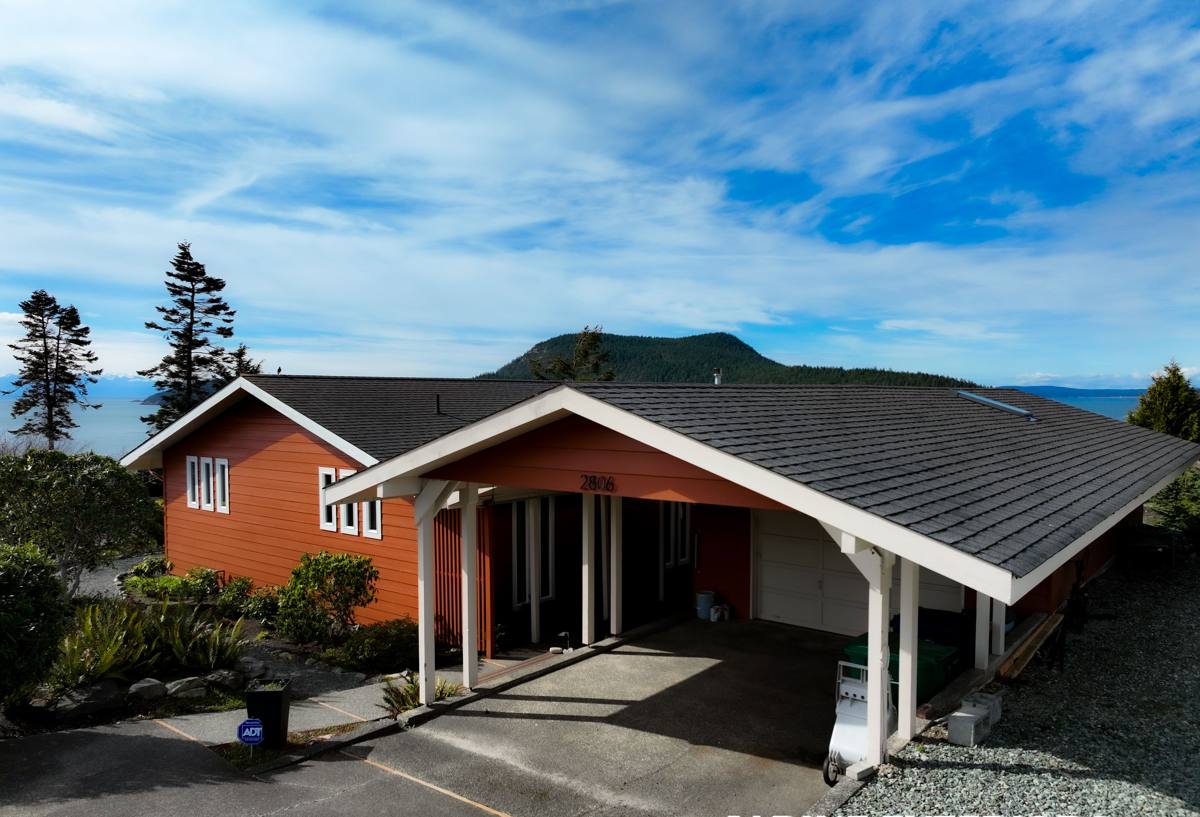
What the Seminole Climate Actually Does to a Home
Wind and Wind-Driven Rain
Seminole isn't directly on the open Gulf, but it's close enough that tropical moisture and gusty frontal storms hit it with real force. Wind doesn't just tear at loose materials — it drives rain sideways and forces water into any gap, seam, or fastener point that isn't properly sealed. Siding seams, roof flashing, and window perimeters take the brunt of this. A material or installation that's slightly off-spec on a calm day can become the reason water gets behind a wall during a storm.
UV Exposure
Florida sun is intense for most of the year, and UV breaks down pigments, resins, and sealants over time. Paint fades and chalks, caulk gets brittle, and some siding materials — especially wood-based products — lose their protective coating faster than in milder climates. Roofing surfaces bake in this same sun, which accelerates aging on lower-quality shingles.
Salt Air and Humidity
Even a few miles inland from the water, salt aerosol travels on the wind and settles on exterior surfaces. Combined with Pinellas County's high year-round humidity, this creates ideal conditions for corrosion on fasteners and hardware, and for moisture to linger in materials that don't dry out quickly. Wood products are especially vulnerable — trapped moisture is what leads to rot, swelling, and eventually structural softness.
Heat Cycling
Seminole homes swing between intense midday heat and cooler, humid nights and mornings. That daily expansion and contraction stresses seams, caulk lines, and fastener points on every exterior surface. Materials that don't handle dimensional movement well loosen, crack, or gap over years of this cycling.
Siding: Why We Only Install James Hardie
We install James Hardie fiber cement siding exclusively. We don't offer vinyl, LP SmartSide, Cemplank, Allura, primed spruce, or cedar — not because those products don't have a place somewhere, but because we've drawn a professional line based on how materials actually perform against Gulf Coast conditions over the long haul, and we don't want to install something on a Seminole home that we don't believe will hold up to it.
Vinyl siding is affordable and easy to install, but it's a thin plastic product that can warp in sustained heat, gets brittle in UV exposure over time, and simply isn't rated for the wind speeds this area can see in a serious storm. Wood-based siding — including engineered wood products and traditional cedar — needs a protective coating to keep moisture out, and in a humid, salt-air environment that coating is under constant attack. Once moisture gets past it, wood-based siding swells, delaminates at the edges, or rots, and by the time it's visible from the outside the damage is often already done underneath.
James Hardie fiber cement is a mix of cement, sand, and cellulose fiber, engineered specifically to resist the things that break down other siding materials:
- Non-combustible — it will not ignite or contribute fuel to a fire, which matters for insurance considerations as well as safety
- Doesn't absorb moisture the way wood does, so it isn't prone to rot or insect damage
- ColorPlus factory-applied finish is baked on under controlled conditions, holding color and resisting UV fade far longer than field-applied paint
- Engineered HZ5 product lines built specifically for high-humidity, wind-driven-rain climates like Florida's
- Backed by a strong, transferable manufacturer warranty when installed to Hardie's published specifications
The honest caveat: fiber cement is only as good as the installation. Hardie is explicit about nailing patterns, gapping, flashing, and caulking requirements, and skipping those steps is what leads to the rare Hardie failures you might hear about. That's why our crews install to spec every time — the product's long-term performance depends on it.
Roofing for Wind, Sun, and Rain
A roof in Seminole has to do three jobs at once: shed wind-driven rain without letting water find its way under a shingle edge, survive high-UV exposure without prematurely aging, and hold together under the kind of gusts a tropical system or strong summer storm can throw at it. We look at underlayment quality, proper flashing at every penetration and valley, and fastening patterns rated for local wind exposure — not just the shingle brand on the surface. A roof that looks fine from the street can still have weak points at the flashing and edges, which is usually where leaks actually start.
Windows: Sealing Out Wind-Driven Water
Window failures in this climate are rarely about the glass — they're about the perimeter. Wind-driven rain finds gaps in old caulking, worn weatherstripping, or frames that were never properly flashed into the wall assembly to begin with. Beyond weather resistance, impact-rated or well-sealed windows also help with energy efficiency, since a home fighting Pinellas County's near-constant AC load benefits from every draft and thermal gap that gets closed up. When we replace or install windows, proper flashing and sealing at the rough opening matters as much as the window unit itself.
Decks: Built for Humidity and Sun
Outdoor decks in Seminole face a tougher environment than most inland decks ever will — near-constant humidity, intense sun exposure, and regular soaking rain. Material choice and construction details (proper spacing for airflow, corrosion-resistant fasteners, and adequate ventilation underneath) determine whether a deck stays solid for decades or starts showing soft spots and fastener corrosion within a few years. We build and repair decks with those realities in mind rather than treating Florida decking like it's the same job as a deck up north.
Comparing Siding Options for This Climate
| Material | Moisture Resistance | UV/Color Stability | Wind Performance | Long-Term Maintenance |
|---|---|---|---|---|
| James Hardie Fiber Cement | Excellent — doesn't absorb or rot | Excellent (ColorPlus factory finish) | Engineered HZ5 lines rated for high-wind zones | Low, when installed to spec |
| Vinyl | Good, but can warp under heat | Fades and becomes brittle over time | Limited — not built for sustained high wind loads | Low, but shorter usable lifespan |
| Wood-Based (LP SmartSide, cedar, primed spruce) | Vulnerable — relies entirely on coating integrity | Coating fades; needs repainting | Moderate | High — repainting, caulk maintenance, rot monitoring |
Why Choose a Local Crew
Exterior work in Seminole is a different job than the same work in Ohio or even inland Florida. A local crew knows what wind uplift and flashing details actually need to look like for this stretch of the Gulf Coast, understands the permitting and inspection process in Pinellas County, and has seen firsthand what happens when installation shortcuts meet a real storm season. We're not learning this climate on your home — we've already learned it on plenty of others in the area, and we bring that knowledge to every estimate.
What to Look for in an Exterior Contractor Here
- Proper Florida licensing and insurance, verifiable before work begins
- Manufacturer-specific installation training, especially for fiber cement siding
- A clear explanation of flashing, sealing, and fastening details — not just material brand names
- Familiarity with Pinellas County permitting and wind-load requirements
- Willingness to explain trade-offs between materials honestly, rather than pushing the cheapest option
- Local references or a local presence you can verify
If you're in Seminole and dealing with aging siding, a roof that's due for attention, drafty or leaking windows, or a deck that's seen better days, we'd be glad to take a look. Reach out for a free, no-pressure estimate — we'll walk the exterior with you, explain what we see, and give you a straight answer about what it needs.