 St. Petersburg
 Living on the Edge of the Gulf: What St. Pete Beach Homes Are Up Against
St. Pete Beach sits about as close to the water as a Pinellas County home can get, and that proximity shapes everything about how a house ages here. Homes just blocks from the Gulf of Mexico face a combination of stresses that inland Florida properties simply don't deal with in the same intensity: constant salt-laden air, near-daily UV exposure, wind-driven rain that finds its way into gaps other climates would never test, and the real possibility of a tropical system pushing storm surge and sustained winds through the barrier island in any given season.
We work throughout St. Petersburg and the surrounding Pinellas County communities, and St. Pete Beach is one of the areas where we see exterior materials fail fastest when they weren't chosen with this specific environment in mind. This isn't a page meant to scare anyone — it's meant to explain, honestly, why some products and installation shortcuts that work fine in Tampa's inland suburbs simply don't hold up a few miles west, and what we do differently for homes in this zip code.
Salt Air Is Corrosive, Not Just Annoying
Salt spray carried on Gulf breezes settles on every exterior surface — siding, trim, window frames, fasteners, railings. It accelerates corrosion of metal components, breaks down lower-grade paints and coatings faster than manufacturers' inland test data predicts, and works its way into any seam or fastener point that isn't properly sealed. Over years, this is often the real story behind chalky, faded, or peeling exteriors on beach-adjacent homes — not one dramatic storm, but the slow, constant chemistry of salt air.
UV Load Is Higher Than Most Homeowners Realize
Florida's UV index runs high most of the year, and a barrier island home with little shade and reflective water nearby gets more direct and reflected sun exposure than a comparable inland property. UV breaks down pigments, embrittles caulk and sealants, and is the primary reason cheap paint jobs or unstabilized composite products fade and chalk within a few years on this coastline.
Wind-Driven Rain Finds Every Weakness
During Gulf storms, rain rarely falls straight down — it's driven sideways at speed, which means it tests horizontal seams, window flashing, and siding laps in ways ordinary rain never does. A house can look watertight in dry weather and still take on moisture during a wind event if flashing details or siding overlaps weren't installed correctly.
Roofing for a Barrier Island Property
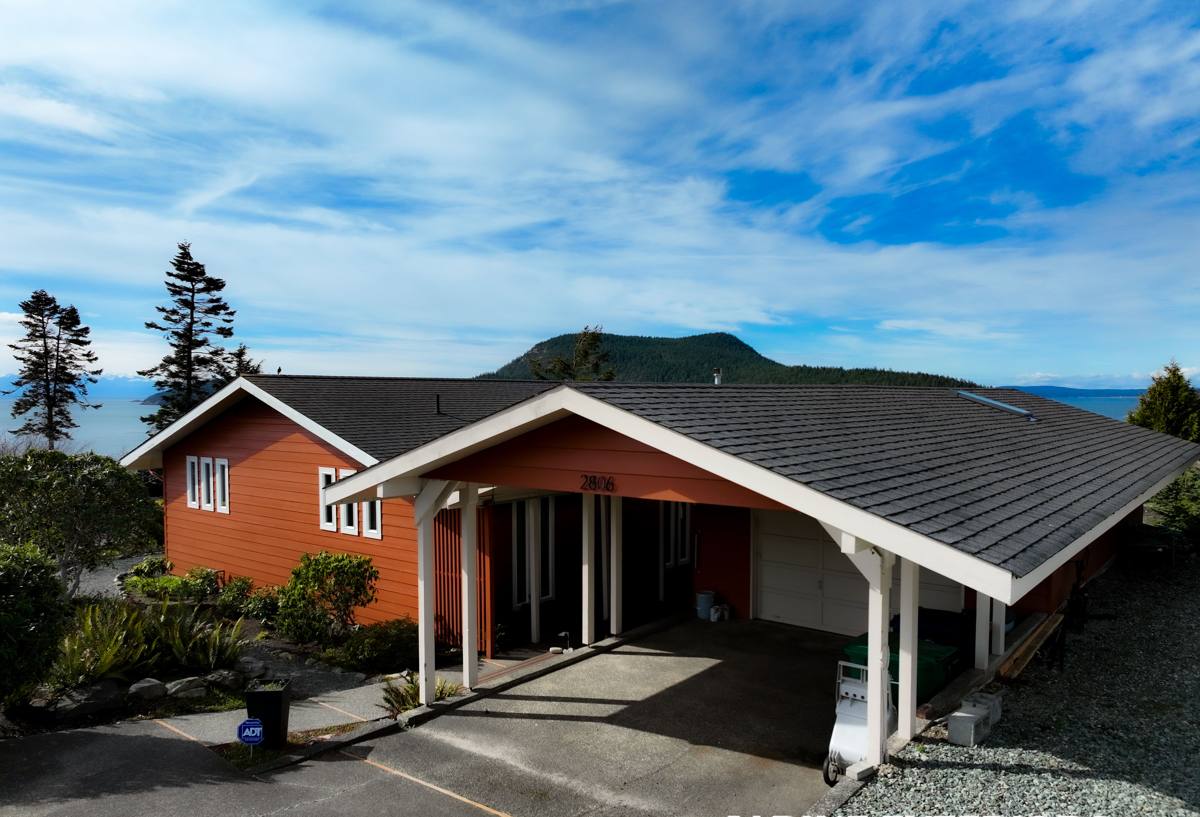
Your roof is the first line of defense against both UV and wind uplift, and on St. Pete Beach it needs to handle both without compromise. We look at underlayment quality, fastening schedules rated for coastal wind exposure, and proper edge and ridge detailing — the places roofs actually fail first in a storm are almost always the edges and penetrations, not the open field of the roof.
- Underlayment rated for the wind and moisture exposure of a coastal property, not standard inland-grade material
- Fastening patterns that meet or exceed the wind speeds this stretch of coast can see
- Properly flashed penetrations (vents, chimneys, skylights) — the single most common source of coastal roof leaks
- Attention to secondary water barriers, since a barrier island roof may see wind-driven rain get past the primary shingle or tile layer during extreme events
Why Siding Choice Matters More Here Than Almost Anywhere Else in Pinellas County
This is the part of the job we feel strongest about, and it's why we've standardized our siding installations around James Hardie fiber cement rather than offering the full menu of products some contractors carry.
What We Won't Install, and Why
Vinyl siding is inexpensive and easy to install, but in direct coastal sun and salt exposure it tends to fade, warp, and become brittle faster than it does inland — and once it's warped or cracked, it's a patch-and-replace material, not a repaint-and-refresh one. Wood-based products like primed spruce or cedar look great initially but require an ongoing maintenance commitment — recaulking, repainting, moisture monitoring — that's demanding even for an inland home and considerably more so a few blocks from saltwater. Engineered wood products like LP SmartSide perform well in many climates, but wood-based cores are inherently more moisture-sensitive than fiber cement, and moisture management is precisely the variable that gets harder to control on the coast. Other fiber cement brands, like Cemplank or Allura, can be reasonable products, but we've built our installation training, warranty relationships, and product knowledge specifically around one system, and we'd rather do one thing at the highest level than offer five things at an average one.
Why James Hardie
James Hardie fiber cement is non-combustible, dimensionally stable in heat and humidity swings, and factory-finished with its ColorPlus coating system — a finish baked on and cured under controlled conditions rather than field-applied, which matters a great deal in a high-UV, high-salt environment where field-applied paint is the first thing to fail. Hardie also engineers specific product lines (its HZ5 line, for example) for hot, humid, moisture-prone climates like ours, and backs the product with a strong transferable warranty that reflects real confidence in long-term coastal performance. When it's installed to Hardie's spec — correct clearances, proper fastening, and flashing details suited to wind-driven rain — it's the siding system we're comfortable putting our name behind on a St. Pete Beach home.
| Factor | Vinyl | Wood/Engineered Wood | James Hardie Fiber Cement |
|---|---|---|---|
| Salt air resistance | Fades, brittles over time | Moisture-sensitive, needs vigilance | Engineered for humid, salt-exposed climates |
| UV/color stability | Chalks and fades | Field paint fades, needs recoating | Factory ColorPlus finish resists fading |
| Storm/wind performance | Can crack or blow off in high wind | Vulnerable if moisture compromises structure | Non-combustible, dimensionally stable |
| Maintenance burden | Low, but limited lifespan near coast | High — ongoing sealing/repainting | Low; no repainting for years with proper finish |
Windows That Actually Perform on the Coast
Windows on a Gulf-facing or near-Gulf home take on two jobs at once: keeping wind-driven rain and storm pressure out, and standing up to daily UV and salt exposure without seals failing early. Impact-rated or properly rated coastal windows, correctly flashed and sealed during installation, are the difference between a window system that performs for decades and one that starts leaking or fogging between the panes within a few years. Installation quality matters as much as the window product itself — a great window installed with poor flashing will leak regardless of its rating.
Decks in a Salt, Sun, and Storm Environment
Outdoor living space is part of why people love St. Pete Beach, but decks here take a beating from the same forces as the rest of the exterior — plus standing water from wind-driven rain and constant sun exposure on horizontal surfaces, which age faster than vertical siding or trim. Material choice, fastener selection (corrosion-resistant hardware matters enormously this close to saltwater), and proper drainage detailing all affect how long a deck holds up before boards cup, fasteners corrode, or structural members start to show wear.
What a Local Crew Brings to a St. Pete Beach Project
Coastal exterior work isn't just about using the right materials — it's about knowing how those materials and details need to be adjusted for this specific stretch of coastline. A crew that works across Pinellas County regularly sees how homes in St. Pete Beach, Treasure Island, and similar barrier island communities age differently than homes ten miles inland in St. Petersburg proper, and that shapes real decisions: fastener grade, flashing sequence, product line selection, and where extra attention to sealing and drainage actually pays off.
Permitting and wind-load requirements can also vary by jurisdiction along the coast, and a contractor who regularly works in this specific area already understands the expectations rather than learning them on your project.
A Practical Checklist Before You Hire
- Ask what siding, roofing, and window products the contractor actually installs, and why — a company that installs everything has no particular reason to steer you toward what performs best here
- Confirm they carry current licensing and insurance appropriate for Pinellas County coastal work
- Ask specifically how they handle flashing and sealing for wind-driven rain, not just general watertightness
- Ask about fastener and hardware grade for any exterior wood or composite work — corrosion resistance matters enormously this close to the Gulf
- Get a clear, written scope before work begins — vague scopes are where coastal-specific details get skipped
The Bottom Line for St. Pete Beach Homeowners
Every material and installation decision on a home this close to the Gulf either accounts for salt air, UV load, and wind-driven rain, or it doesn't — and the difference shows up years later in fading, corrosion, and moisture problems that were preventable. We've built our siding practice around James Hardie specifically because we think it's the right long-term answer for this environment, and we bring the same climate-first thinking to roofing, windows, and decks on every St. Pete Beach project.
If you're planning a siding, roofing, window, or deck project on St. Pete Beach, we're happy to take a look and talk through what your home specifically needs. Reach out below for a free, no-pressure estimate.