 St. Petersburg
 Exterior Work in One of St. Petersburg's Older Neighborhoods
Old Northeast sits close to Tampa Bay, and it's one of the older, more established residential pockets of St. Petersburg. The tree canopy, the mix of early-20th-century architectural styles, and the proximity to the water all shape what exterior work looks like here. Homes in this part of Pinellas County tend to be older than the county average, which means a lot of original siding, aging trim, and roofs that have already been through several storm seasons. Any contractor working in this neighborhood needs to understand both the age of the housing stock and the coastal exposure that comes with being this close to the bay.
We handle siding, roofing, windows, and decks for homeowners in this area, and we treat each of those as part of one connected system rather than four separate jobs. Water that gets past a roof edge or a window flashing detail ends up in the siding and the framing behind it. Getting the whole exterior envelope right matters more in a neighborhood like this, where many homes have already absorbed decades of Florida weather.
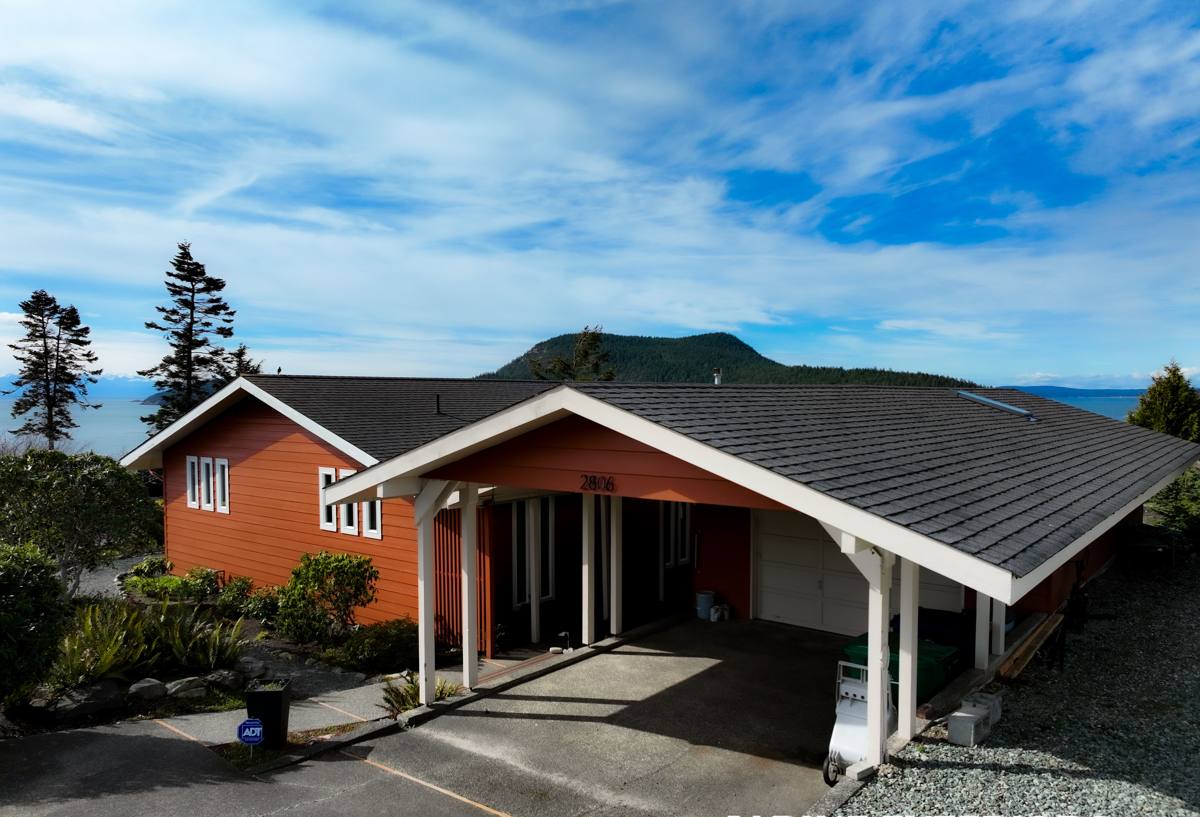
What St. Petersburg's Climate Does to Older Homes
St. Petersburg and the rest of Pinellas County deal with a specific combination of stresses that's harder on a home's exterior than most of the country ever sees:
- Hurricane-force wind events that test every fastener, seam, and flashing detail on a roof or wall system
- Wind-driven rain that gets pushed sideways and upward under laps, trim, and window edges that would stay dry in a normal storm
- Intense, near-constant UV exposure that breaks down paint film, caulk, and lower-grade siding materials faster than in northern climates
- Salt air off Tampa Bay that accelerates corrosion on fasteners, flashing, and any metal component that isn't rated for a coastal environment
On an older home in Old Northeast, these forces have usually already had 40, 60, or even 80 years to work. That shows up as chalky or peeling paint, soft spots in wood trim, roof shingles that granulated out early, and window seals that gave up long before the glass did. None of that is unusual for the area — it's just what happens to exterior materials on this stretch of coastline over time.
Why Age and Climate Compound Each Other
A newer home in an inland part of the state can get away with a less rigorous exterior spec for a while. An older home a few miles from Tampa Bay doesn't have that luxury. Original wood siding and trim on homes from this era were often installed before anyone was thinking about hurricane wind ratings or wind-driven rain testing. When it's time to replace that siding or re-side a section that's failed, it's worth doing it with a material that's actually engineered for this climate rather than repeating what was available a century ago.
Siding: What We Install and Why
We install James Hardie fiber cement siding exclusively. We don't install vinyl, LP SmartSide, Cemplank, Allura, or primed wood species like spruce or cedar. That's a deliberate standard, not a default, and it's worth explaining why — especially for a neighborhood with as much older housing stock as this one.
Where Other Materials Fall Short in This Climate
| Material | Common trade-off in coastal Florida |
|---|---|
| Vinyl siding | Can warp or distort under sustained high heat and UV; seams and edges are a weak point in wind-driven rain and high-wind events |
| LP SmartSide (engineered wood) | Wood-based core is more sensitive to sustained moisture exposure than fiber cement if edges or seams aren't maintained |
| Primed spruce or cedar | Natural wood requires ongoing paint and caulk maintenance to resist humidity, insects, and UV breakdown; shorter realistic service life on the coast |
| Cemplank / Allura (other fiber cement brands) | Similar base material to Hardie, but we standardized on one manufacturer, one finish system, and one warranty structure so every job we do is consistent |
Every one of those products has legitimate uses somewhere. Our decision isn't that they're bad products in general — it's that after years of doing exterior work in Pinellas County's specific mix of sun, salt, and wind, we settled on the one system that gives us the most consistent, lowest-maintenance results for our customers. Fiber cement is non-combustible, holds paint and factory finish far longer than wood-based products in this UV load, and doesn't have the seam and expansion issues that come with vinyl in extreme heat.
James Hardie's ColorPlus Finish and HZ Product Lines
James Hardie's ColorPlus finish is baked on at the factory under controlled conditions, which gives it better fade and wear resistance than most field-applied paint jobs, and it comes with its own finish warranty separate from the substrate warranty. Hardie also engineers its HZ5 product line specifically for the humid, high-moisture conditions found in states like Florida — that's a meaningful difference from a generic siding product with no regional engineering behind it. For a home in Old Northeast that's going to sit within a few miles of Tampa Bay for the next several decades, that engineering matters.
Roofing for This Neighborhood
Roofs in this part of St. Petersburg take a beating from the same forces that wear down siding — UV, wind, and wind-driven rain — plus the added risk of wind uplift during tropical systems. On older homes, roof decking, flashing, and ventilation details are often original or from an earlier reroof that didn't account for current wind ratings. When we work on a roof here, we're paying close attention to:
- Flashing at every roof-to-wall transition, chimney, and penetration — this is where the majority of storm-driven leaks start
- Fastening patterns and material ratings appropriate for hurricane-force wind exposure
- Ventilation, since older attic spaces in this climate can trap heat and moisture if they weren't designed for it
- Compatibility between the roofing system and the wall assembly below it, so water is shed correctly at every transition
Windows and the Building Envelope
Original or aging windows in older St. Petersburg homes are frequently one of the weakest points in the exterior envelope — not just for energy loss, but for wind-driven rain intrusion during storms. Failed seals, deteriorated frames, and outdated flashing details around the window opening let water in behind the siding, which is often where hidden damage starts. When we replace windows, we're also making sure the flashing and integration with the surrounding siding is done correctly, since a good window installed with poor flashing can still leak.
Decks in a Coastal, High-UV Environment
Outdoor living spaces in this area face constant sun exposure and salt-laden air, both of which shorten the life of decking materials and fasteners that aren't rated for it. We build and repair decks with attention to proper fastener selection, structural connections rated for wind exposure, and materials that hold up under the UV load this part of Florida sees year-round.
Why a Local Crew Matters Here
Old Northeast has a different character than newer subdivisions further inland — older framing, a mix of original and previously renovated exteriors, and homes that were often built before current wind codes existed. A crew that works across Pinellas County regularly understands what to expect when they open up a wall or a roof section on a home this age: what kind of substrate is likely underneath, what past repairs tend to look like, and how to integrate new materials with older construction without creating new problems. That local familiarity saves time, avoids surprises, and results in work that's actually built for what this specific stretch of coastline will throw at it.
A Practical Checklist for Homeowners in This Area
- Check siding for soft spots, bubbling paint, or visible gaps at seams and corners
- Look at roof edges and flashing after any significant wind event, even if there's no obvious leak yet
- Check window seals and frames for drafts, moisture staining, or difficulty operating smoothly
- Inspect deck fasteners and structural connections annually for corrosion, especially near the coast
- Address small exterior issues before hurricane season rather than after storm damage has already occurred
Getting Started
If you're in Old Northeast and dealing with aging siding, a roof that's due for attention, tired windows, or a deck that needs work, we're happy to take a look and give you an honest read on what's actually needed. We offer free, no-pressure estimates — there's a form below if you'd like to get one scheduled.