 St. Petersburg
 Coquina Key's Waterfront Position and What It Means for Your Exterior
Coquina Key sits on a peninsula on the south side of St. Petersburg, wrapped by canals and open water on multiple sides. That waterfront layout is a big part of what makes the neighborhood desirable — but it also means homes here carry a heavier exterior burden than a house sitting a few miles inland. Water on three sides means near-constant exposure to salt-laden air, higher humidity at the building envelope, and direct line-of-sight wind during storms with no tree cover or elevation to break it up.
We don't treat Coquina Key like a generic St. Petersburg address. A canal-front or bay-facing home needs different product choices, different attention to flashing and fastener corrosion, and a different install approach than a home a mile inland in a more sheltered part of Pinellas County. That's the lens we bring to every siding, roofing, window, and deck job out here.
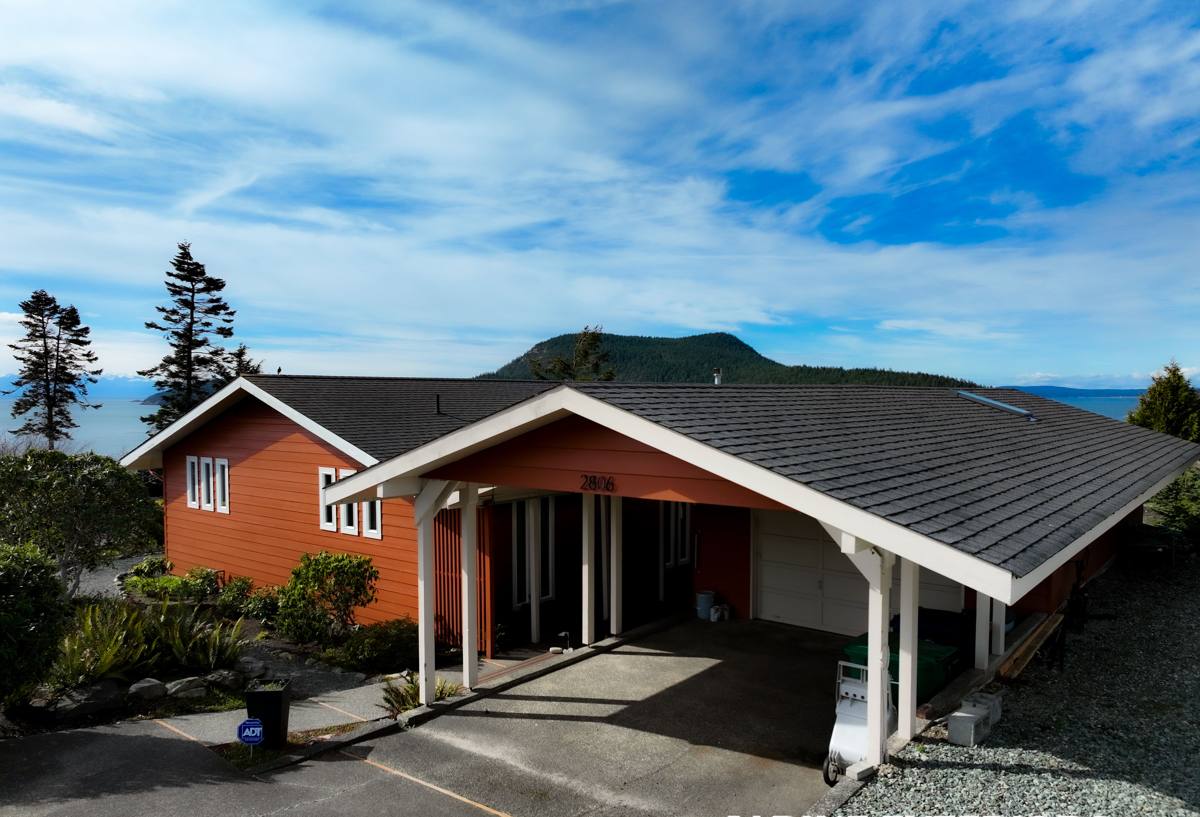
The Climate Load: Salt Air, UV, Humidity, and Wind
Every exterior surface on a Coquina Key home is dealing with several stresses at once, year-round:
- Salt air: Airborne salt from the bay accelerates corrosion on fasteners, hinges, hardware, and metal roofing or trim components. It also breaks down lesser paint and coating systems faster than they'd fail inland.
- UV exposure: Florida's sun runs strong nearly every month of the year. Paint fades, caulk gets brittle, and cheaper composite or wood-based products can chalk and degrade well ahead of their rated lifespan.
- Humidity and moisture cycling: Warm, wet air pushes moisture into any exterior material that isn't engineered to shed or resist it, which is where wood-based siding products run into trouble over time.
- Wind-driven rain: Storms don't just bring rain — they push it sideways, forcing water into seams, laps, and penetrations that would stay dry in a calm rain event.
- Hurricane-force wind loading: Pinellas County sits in a high-wind design zone, and a waterfront neighborhood like Coquina Key gets the full brunt of it with no windbreak.
None of these stresses are unique to Coquina Key, but here they compound. A home three blocks off the canal deals with all five; a home in a more sheltered, tree-lined part of the county might only really feel two or three of them at full strength.
Siding: Why We Install Only James Hardie Fiber Cement
Siding is the single largest exterior surface on most Coquina Key homes, and it's the first thing exposed to salt air and wind-driven rain. We made a deliberate decision as a company to install only James Hardie fiber cement siding — not LP SmartSide, not vinyl, not Cemplank or Allura, not primed spruce or cedar. That's not a marketing position; it's a standard we hold because of what we've seen materials do in this exact climate.
Vinyl siding softens, warps, and can pull away from fasteners in sustained high heat and direct sun, and it has real limits in hurricane-force wind events. Wood-based composite siding products, even engineered ones, still rely on a wood core, and wood-based cores are vulnerable to moisture intrusion at cut edges, seams, and fastener penetrations if the install isn't flawless and maintained perfectly for the life of the product. Primed spruce or cedar requires the homeowner to stay on top of repainting and caulking on a tight schedule, or moisture works its way in.
James Hardie fiber cement is cement, sand, and cellulose fiber — non-combustible, dimensionally stable, and engineered specifically not to absorb and swell with moisture the way wood-based products do. Hardie makes an HZ5 product line specifically engineered for high-humidity, storm-prone climates like ours, and the factory-applied ColorPlus finish holds color and resists fading far better than field-applied paint, which matters when your siding is facing near-constant UV and salt air.
What Correct Hardie Installation Looks Like
- Proper clearance from grade, roof lines, and hard surfaces to prevent wicking moisture
- Correct fastener type and spacing — stainless or coated fasteners rated for coastal exposure
- Properly lapped and sealed house wrap and flashing behind every seam and penetration
- Factory-mitered or properly caulked joints, not gapped or overdriven fasteners
- Manufacturer-specified overlap and gapping so the panels can move with temperature swings without cracking
Hardie backs the product with a strong, transferable limited warranty, but that warranty — and the actual performance you'll get out of it — depends entirely on installation to spec. That's the part a lot of homeowners don't realize until something goes wrong.
Roofing for Waterfront Homes
A roof on a Coquina Key home takes the same wind and UV load as the siding, plus direct rain impact and, on many homes, exposure to wind-borne debris during storms. Whether you're on asphalt shingle, tile, or metal, the details that matter most in this environment are the same:
- Underlayment quality and coverage, since it's your real water barrier if wind lifts or damages the surface layer
- Fastener and flashing corrosion resistance, given the salt air
- Proper sealing around every penetration — vents, stacks, chimneys, skylights
- Ventilation that lets the attic breathe without becoming a wind-driven-rain entry point
We evaluate roofs on a case-by-case basis for wind-uplift rating appropriate to a waterfront exposure, not just whatever the minimum code allows for a more sheltered inland lot.
Windows: Standing Up to Wind and Salt
Windows on a canal-front or bay-facing home in Coquina Key need to do two jobs well: resist wind pressure and wind-borne debris, and keep salt-laden humid air from finding its way into the frame and sill over time. Impact-rated windows are worth strong consideration here, both for storm protection and because they typically carry better sealing and structural performance day-to-day, not just during a hurricane.
Frame material matters too. Cheaper aluminum or vinyl frames can corrode or degrade faster under constant salt exposure than properly finished, quality frame systems. Flashing and sealant detail around the window opening is just as important as the window unit itself — a great window installed with poor flashing will leak regardless of its rating.
Decks: Built for Life on the Water
A lot of Coquina Key homes are built around outdoor living — decks, waterfront patios, and spaces that put you right up against the canal or bay. That's also the harshest possible environment for a deck: constant humidity at ground and water level, direct UV for most of the day, and salt air attacking fasteners and hardware from underneath as much as from above.
Decking material choice, board spacing for drainage and airflow, and corrosion-resistant fastener and connector hardware all matter more here than on an inland deck. Ledger board attachment and flashing where the deck meets the house is one of the most common failure points we see, especially on older waterfront homes where the original build didn't account for decades of salt exposure.
Comparing Siding Options in a Salt-Air Waterfront Exposure
| Factor | Vinyl Siding | Wood-Based Composite | James Hardie Fiber Cement |
|---|---|---|---|
| Moisture behavior | Doesn't absorb, but can warp/gap | Wood core vulnerable at cut edges/seams | Engineered to resist moisture absorption |
| UV / color retention | Fades, can chalk | Field paint fades on typical schedule | Factory ColorPlus finish holds color longer |
| High-wind performance | Can soften/warp in sustained heat, limited wind rating | Adequate if installed and maintained precisely | Rated for high-wind, storm-prone climates (HZ5) |
| Combustibility | Melts/deforms under heat | Combustible | Non-combustible |
| Maintenance burden | Low, but limited repair options if damaged | Ongoing paint/caulk schedule required | Low; factory finish reduces repaint cycle |
Signs Your Coquina Key Home's Exterior Needs Attention
- Chalky, faded, or peeling paint on siding or trim
- Soft spots, gaps, or visible warping in siding panels
- Rust streaks around fasteners, flashing, or hardware
- Missing, cracked, or curling shingles, or granule buildup in gutters
- Window frames that feel damp, sticky, or show discoloration at the sill
- Soft or spongy deck boards, corroded connectors, or loose ledger attachment
- Musty smell or visible staining near exterior wall penetrations
Any one of these on its own isn't necessarily an emergency, but on a waterfront home they tend to progress faster than they would inland, simply because the humidity and salt exposure never really lets up.
Why a Local Crew Matters Here
Working on a peninsula neighborhood like Coquina Key isn't the same as working a standard subdivision lot. Flood zone considerations, canal-front setbacks, and Pinellas County permitting and wind-load requirements all come into play, and a crew that works this area regularly knows what inspectors are going to look for before the job starts. We also know how much of a difference proper flashing, fastener selection, and product choice make out here specifically, because we've seen what happens on homes where corners were cut on an inland-spec install and then put on a waterfront lot.
St. Petersburg and Pinellas County as a whole deal with the same hurricane-season wind, year-round UV, and salt-air exposure, but Coquina Key gets it at a higher, more constant intensity because of its position on the water. That's the difference between an exterior that performs for decades and one that starts showing problems in year five.
Our Process for Coquina Key Homes
When we come out to a Coquina Key property, we're looking at more than just the surface material. We assess proximity to water, prevailing wind exposure, existing flashing and moisture conditions, and the current condition of siding, roofing, windows, and any deck structures. From there we put together a straightforward plan — what needs attention now, what can wait, and what product and installation approach makes sense for that specific home's exposure.
If you're weighing a siding replacement, a roof nearing the end of its service life, window upgrades, or deck repair or rebuild anywhere in Coquina Key, we're happy to walk the property with you and give you a straight, no-pressure assessment. Reach out for a free estimate using the form below.