 St. Petersburg
 Why Pinellas Point Homes Take a Different Kind of Beating
Pinellas Point sits out on a peninsula, with Tampa Bay and Boca Ciega Bay wrapping around much of the neighborhood. That location is part of what makes it a desirable place to live, but it also means the exterior of a Pinellas Point home is doing more work than a house a few miles inland. Water is close on more than one side, which means salt air, humidity, and wind exposure are a daily fact of life for siding, roofing, windows, and any wood structure like a deck or railing. Add in the intense, near-constant Florida sun and the wind-driven rain that comes through during storms and squalls, and you have a climate that's genuinely hard on building materials over a 15-, 20-, or 30-year timeline.
None of this means a home in Pinellas Point can't hold up well. It means the materials and installation details matter more here than they would in a drier, calmer part of the country, and that's the lens we bring to every project in this neighborhood.
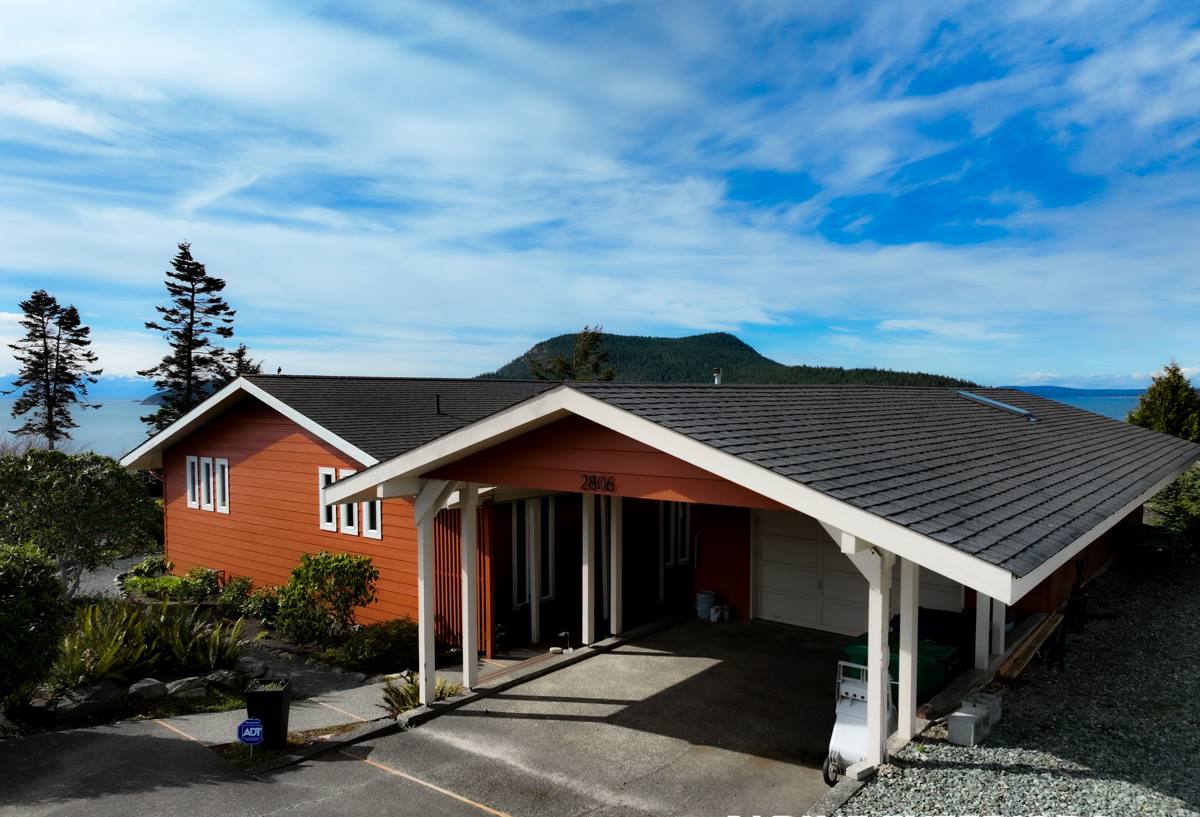
The Peninsula Effect: Salt, Wind, and Water From Multiple Directions
Salt Air and Corrosion
Salt air doesn't just affect homes directly on the water. Airborne salt travels well inland, especially in a low-lying peninsula neighborhood like this one, and it settles on every exterior surface — siding, trim, fasteners, window frames, railings. Over time it accelerates corrosion of metal components and works into the surface of materials that aren't built to resist it. This is one of the biggest reasons material choice matters so much this close to the bay: a product that performs fine in a dry inland climate can degrade noticeably faster out here.
Wind Exposure and Wind-Driven Rain
Being surrounded by open water on multiple sides means less natural windbreak than a home tucked deeper into the city. During tropical storms and hurricane season, that translates into higher sustained wind loads and rain that gets driven sideways into siding seams, window frames, and roof edges rather than falling straight down. Exterior systems here need to handle water intrusion from the side, not just from above, and fastening and flashing details that would be adequate elsewhere can fall short in a wind-driven rain event.
Year-Round UV
Florida sun is intense in every season, and a peninsula neighborhood with little tree canopy on the water-facing side gets full exposure most of the day. UV breaks down paint films, dries out wood, and fades color on lower-quality finishes faster than homeowners expect. A product's factory finish and UV resistance matter as much as its structural performance.
Siding: Why We Only Install James Hardie Fiber Cement
We install one siding system on every home we work on in Pinellas Point: James Hardie fiber cement. That's not a marketing preference — it's a decision based on what actually holds up in a salt-air, high-UV, storm-exposed climate over the long run.
Fiber cement is non-combustible, dimensionally stable, and doesn't absorb and swell with moisture the way wood-based products do. James Hardie's HZ5 product line is engineered specifically for climates like ours, with enhanced moisture resistance built into the substrate. The ColorPlus factory finish is baked on under controlled conditions rather than field-painted, which matters a great deal under constant coastal UV — factory finishes hold color and resist fading far longer than a job-site paint application ever will. Hardie also backs its siding with a strong, transferable limited warranty, which gives homeowners real protection rather than a promise that's difficult to act on.
We get asked why we don't offer vinyl, LP SmartSide, Cemplank, Allura, or primed wood siding. Each of those products has a legitimate place in the market and none of them are "bad" products in a vacuum. But we've made a professional decision to standardize on one system we can stand behind fully, install to spec every time, and warranty with confidence — rather than juggling multiple products with different moisture behaviors, maintenance schedules, and failure modes.
| Factor | Wood-based siding (LP, primed spruce/cedar) | Vinyl | James Hardie fiber cement |
|---|---|---|---|
| Moisture/humidity behavior | Can swell, delaminate, or rot at cut edges and seams if moisture gets in | Doesn't rot, but can warp or buckle under heat and doesn't manage water intrusion behind the panel well | Cement-based core is dimensionally stable and doesn't rot or swell |
| Salt air / coastal exposure | Requires diligent sealing and maintenance to resist coastal moisture | Generally salt-tolerant but seams and fasteners are still exposure points | Engineered HZ5 line addresses moisture and humidity specific to coastal zones |
| High-wind performance | Performance depends heavily on installation quality and fastening | Can crack or blow off in high sustained wind if not rated and installed correctly | Heavier, rigid panel with strong wind-load performance when installed to spec |
| Fire resistance | Combustible | Combustible, can melt/deform under heat | Non-combustible |
| Finish/UV durability | Field-applied paint fades and needs repainting on a cycle | Color is baked into the material but can fade and chalk over time | Factory-applied ColorPlus finish resists fading under constant UV |
| Warranty | Varies widely by manufacturer and finish | Typically prorated, less robust over time | Strong, transferable limited warranty |
Roofing Built for Wind-Driven Rain and Sun
A roof in Pinellas Point has to resist wind uplift during storm season and stand up to intense, sustained UV the rest of the year without drying out or losing granule protection. Wind-driven rain also puts real stress on flashing details around vents, valleys, and chimneys — most roof leaks in this kind of climate trace back to flashing and fastening details rather than the field material itself. We pay close attention to underlayment, fastening patterns, and flashing at every penetration, because those details are what actually keep water out during a sideways rain event, not just the shingles or metal on top.
Windows: Impact Resistance and Efficiency in One Package
Windows in a coastal peninsula neighborhood need to do two jobs at once: resist wind-borne debris and pressure changes during storms, and keep a home comfortable and efficient under year-round Florida sun. Impact-rated windows reduce the risk of storm damage and, in many cases, help with insurance costs. Beyond storm performance, a properly sealed, well-installed window also cuts down on heat gain and humidity infiltration — both of which are constant pressures this close to the water.
Decks: Standing Up to Humidity, Salt, and Sun
Outdoor living space is a big part of why people choose a neighborhood like Pinellas Point, but decks and railings take a direct hit from the same conditions that stress siding and roofing — humidity, salt air, and UV, plus the added factor of ground moisture and standing water after heavy rain. Material choice, proper spacing for drainage and expansion, and correctly sealed fasteners all affect how long a deck holds up before boards cup, split, or fasteners corrode. We build decks with those coastal realities in mind rather than treating this as a generic carpentry job.
Why a Local Crew Matters Here
A contractor who works across Pinellas County day in and day out understands how a peninsula location like Pinellas Point behaves differently than a home ten miles inland, even within the same city. That means knowing which details on a siding or roofing installation are worth extra attention because of proximity to open water, understanding local permitting and wind-load requirements in St. Petersburg and unincorporated Pinellas County, and being available for follow-up rather than disappearing after the invoice is paid. Exterior work in this climate isn't a install-it-and-forget-it proposition — it's a long-term relationship between the homeowner, the materials, and the crew that put them on.
What to Expect From an Exterior Assessment
When we walk a property in Pinellas Point, we're looking at the whole exterior system together, not just the one component a homeowner called about. A few things we check on every visit:
- Condition of existing siding at seams, corners, and areas closest to water exposure
- Flashing and sealant condition around windows, doors, and roof penetrations
- Signs of moisture intrusion, staining, or soft spots on siding, trim, or decking
- Roof condition, including granule loss, lifted edges, and flashing integrity
- Window seal performance and any signs of fogging or air infiltration
- Deck fastener corrosion, board spacing, and structural connections
- Overall wind exposure of the property based on orientation and surrounding structures
That assessment gives homeowners a clear, honest picture of what's holding up well and what's likely to need attention in the next few years — not just what needs to be replaced today.
Let's Take a Look at Your Home
If you're in Pinellas Point and want an honest read on your siding, roofing, windows, or deck, we're glad to come take a look. There's no pressure and no obligation — just a straightforward assessment from a crew that works in this exact climate every day. Fill out the form below to schedule a free estimate.