 St. Petersburg
 Exterior Work Built for Euclid-St. Paul Homes
Euclid-St. Paul is one of St. Petersburg's established, tree-lined residential neighborhoods, with a housing stock that spans decades — postwar bungalows, mid-century ranches, and newer infill construction sitting side by side on the same block. That mix matters when it comes to exterior work. A home built in the 1950s and a home built in 2015 can have very different siding, roofing, and window needs even if they're fifty feet apart, and a contractor working in this neighborhood has to be able to read each house on its own terms rather than applying a one-size-fits-all approach.
What every home in Euclid-St. Paul does share is exposure to the same Pinellas County climate: hurricane-force winds during storm season, intense UV load essentially year-round, wind-driven rain that finds its way into any weak seam or gap, and a steady dose of salt air carried in off Tampa Bay. Exterior materials and installation details that work fine in a drier, milder climate often fail early here. That's the backdrop for how we approach siding, roofing, windows, and decks on every job we take in this area.
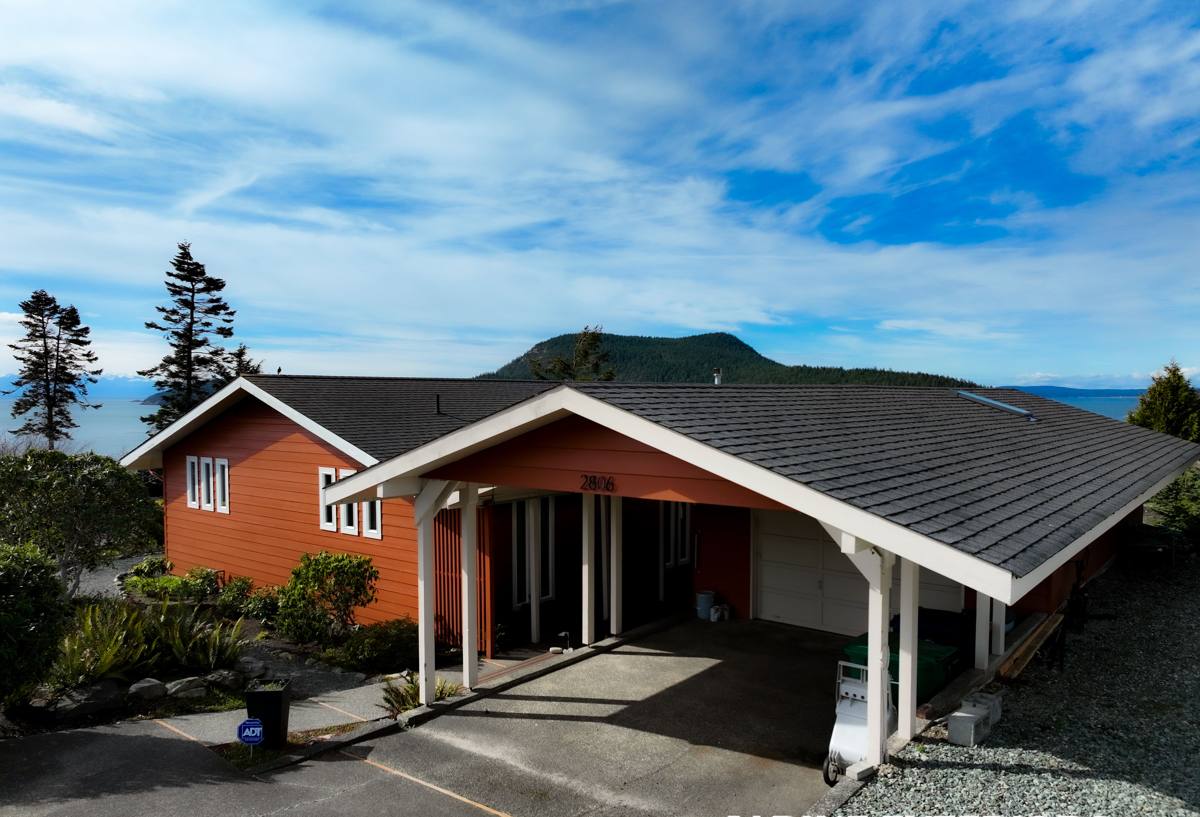
What the Climate Actually Does to Exterior Surfaces
UV and Heat
St. Petersburg gets sun exposure most of the country doesn't see. On siding, that means constant UV bombardment that breaks down paint films, fades color, and — on some engineered wood products — degrades the resin binders holding the material together over time. On roofing, it accelerates the aging of shingles and membranes. Surfaces that face west or south in Euclid-St. Paul's more open lots tend to show wear first.
Wind-Driven Rain
Pinellas County storms rarely deliver rain straight down. Wind pushes it sideways, driving water into lap joints, window flashing, butt seams, and anywhere caulk has started to fail. A siding or window installation that isn't detailed correctly for wind-driven rain will let water in eventually — it's a matter of when, not if.
Salt Air
Even set back from the immediate waterfront, homes throughout St. Petersburg sit within the reach of salt-laden air moving off the bay. Salt accelerates corrosion on fasteners, hardware, and any metal flashing or trim that isn't rated for coastal exposure. Over years, it also contributes to the breakdown of lower-grade paint and coatings.
Hurricane and High-Wind Events
Pinellas County construction has to account for real storm risk, not hypothetical risk. Siding attachment, roof-deck fastening, and window/door pressure ratings all matter more here than in most parts of the country. Products and installation methods that aren't engineered for wind uplift and impact are a liability during storm season.
Siding: Why We Only Install James Hardie
Siding is often the first thing to show climate stress on a Florida home — fading, swelling, delamination, or soft spots at the bottom edges near grade. We install James Hardie fiber cement siding exclusively, and we don't install vinyl, LP SmartSide, Cemplank, Allura, or primed wood siding. That's not a marketing position — it's a standard we hold because of what we've seen these materials do (and not do) in coastal Florida conditions over time.
- Non-combustible material: Fiber cement doesn't burn, melt, or contribute fuel in a fire event — relevant given how dry Florida can get between rain events.
- Engineered for humid, high-UV climates: Hardie's HZ5 product line is specifically formulated for the Gulf Coast and similar climates, addressing moisture and heat cycling that engineered wood products are more vulnerable to.
- ColorPlus factory finish: A baked-on finish applied under controlled conditions holds color and resists UV fade far longer than field-applied paint, and it comes with its own finish warranty.
- Doesn't absorb water the way wood-based products can: Fiber cement doesn't swell, rot, or delaminate the way engineered wood siding can when moisture gets past a seam.
- Strong transferable warranty: Hardie backs its product with a warranty structure that holds up over the long ownership cycles typical of Euclid-St. Paul's family neighborhoods.
We're not saying every alternative product is unusable everywhere — LP SmartSide and vinyl both have legitimate uses in the right climate and price point. But for the specific combination of heat, humidity, salt air, and storm exposure that Euclid-St. Paul homes deal with, we've made the call that fiber cement is the material we're willing to put our installation warranty behind. That's why it's the only siding we sell and install.
Roofing
Roofing in this neighborhood has to handle the same UV and wind load as siding, plus direct exposure to standing water during heavy rain events. We evaluate deck condition, underlayment, flashing details around penetrations and valleys, and fastening schedule — not just the visible shingle layer — because most roof failures in Pinellas County start at a flashing or fastening detail, not in the field of the roof itself. A roof that looks fine from the street can still have compromised underlayment or under-fastened shingles that won't hold up in the next named storm.
Windows
Window failures in older Euclid-St. Paul homes are usually not about the glass — they're about the seal, the flashing, and the frame material. Original single-pane windows in older homes are typically both energy losers and, in many cases, no longer rated for current wind and impact codes. When we replace windows, we pay close attention to correct flashing integration with the surrounding wall assembly (siding or otherwise) so that wind-driven rain has nowhere to get behind the window frame. Impact-rated and energy-efficient options also help with cooling costs, which matters given how much of the year St. Petersburg spends in cooling-load conditions.
Decks
Outdoor living matters in this climate — mild winters and long warm seasons mean decks in Euclid-St. Paul get used most of the year, not just a few summer months. That also means more exposure to sun and rain over a longer season than decks see in colder climates. Fastener selection, board spacing for drainage and movement, and ledger board flashing all need to account for that extended exposure window, along with the humidity that drives wood movement and, over time, rot at poorly detailed connection points.
Cost Factors by Project Type
| Project | Key Cost Drivers | Typical Lifespan (installed to spec) |
|---|---|---|
| Siding (James Hardie) | Home size, siding profile, trim complexity, tear-off of existing material | 30+ years, factory finish typically warrantied separately |
| Roofing | Roof pitch/complexity, deck condition, material choice, number of penetrations | Varies by material; correct install extends usable life significantly |
| Windows | Number of openings, frame material, impact rating, flashing/framing condition | 20-30+ years depending on product line |
| Decks | Square footage, material (composite vs. wood), height/railing requirements, ledger condition | 15-25+ years with proper fastening and drainage detail |
Why a Local Crew Matters Here
Euclid-St. Paul's mix of home ages means a contractor needs to be comfortable working on both older original construction and newer builds — recognizing what's original to a 1950s bungalow versus a later addition, and knowing where past repairs may have introduced weak points. A crew that works Pinellas County regularly also has a practical sense of which details actually get tested during a real storm season, not just which details pass a code inspection on paper. That local pattern-recognition — knowing where water tends to intrude on homes of a certain age and orientation in this specific climate — is something you don't get from a crew that isn't consistently working St. Petersburg homes.
Before You Hire: A Practical Checklist
- Ask for proof of current Florida contractor licensing and insurance, and verify it independently.
- Ask specifically what siding, roofing, or window products they install and why — a contractor who can explain trade-offs, not just push a product, is worth more than one who can't.
- Confirm whether wind/impact-rated products are being used where code or your insurer requires them.
- Ask how flashing and moisture management will be detailed at seams, penetrations, and window/door openings — this is where most failures start.
- Get manufacturer warranty terms in writing, separate from the contractor's workmanship warranty.
- Ask about the fastening schedule and installation method being used, not just the material brand.
Get a Local Estimate
If you own a home in Euclid-St. Paul and you're weighing siding, roofing, windows, or a deck project, we're happy to take a look and walk you through what we're seeing and why. There's no pressure and no obligation — just a straightforward, local assessment and a written estimate you can use to make an informed decision. Reach out using the form below to get started.