 St. Petersburg
 Crescent Lake: A Neighborhood With Character and Weathered Exteriors
Crescent Lake is one of St. Petersburg's older, more established neighborhoods, built around the lake and park that give the area its name. Homes here span a range of eras and styles, from early-to-mid-century bungalows and Mediterranean revivals to more recently updated properties, many shaded by mature oak canopy. That mix means exterior conditions vary house to house: some homes have never had a full siding or roof upgrade since the original build, others carry patchwork repairs from past storms, and a few have already been modernized with newer materials. What almost every home in the area shares is decades of exposure to the same Tampa Bay climate — and that exposure adds up differently depending on the age and construction of the house.
Because the neighborhood is close to downtown St. Petersburg and sits inland from the immediate waterfront, homeowners sometimes assume they're insulated from the coastal wear that hits beachfront properties. In practice, Pinellas County is a peninsula — salt-laden air, hurricane-force wind events, and relentless UV don't stop a mile or two from the water. They just show up a little more gradually.
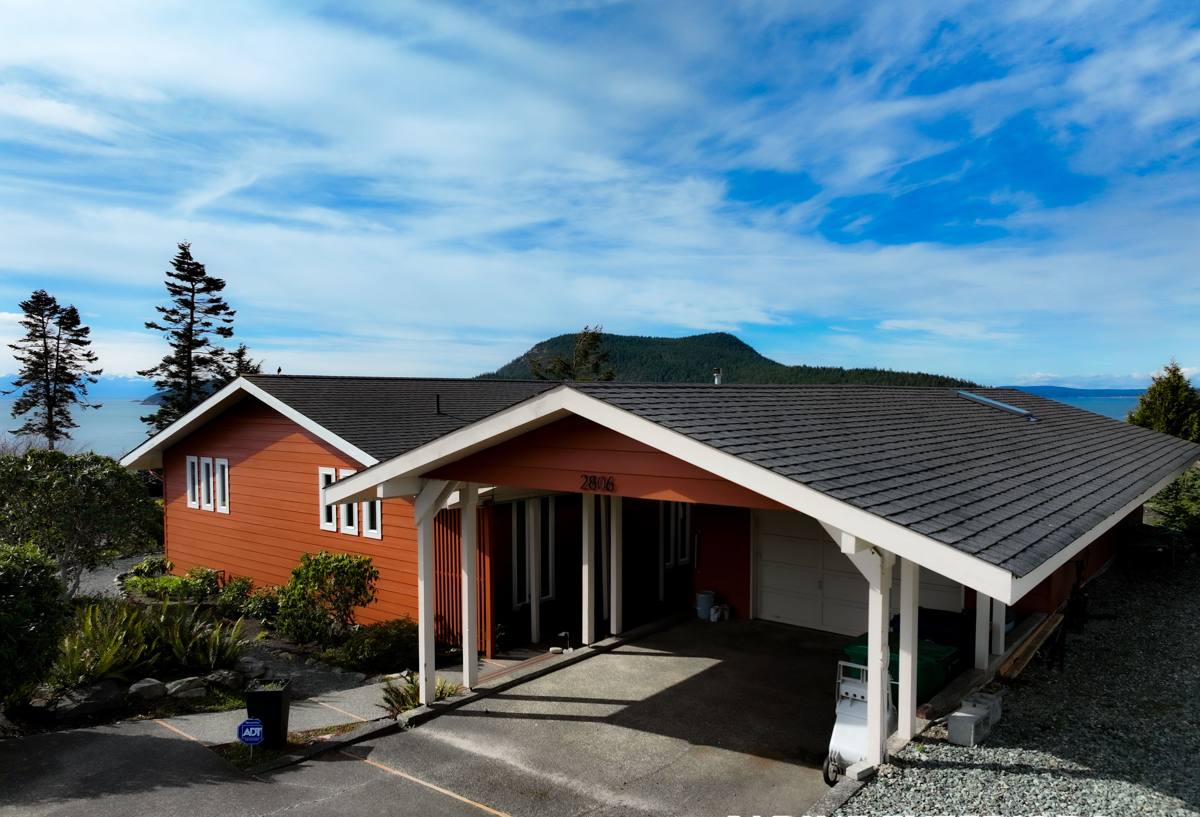
What the Regional Climate Actually Does to a Home's Exterior
Sun and Heat
St. Petersburg gets some of the most consistent, intense sun exposure in the continental U.S. Year-round UV breaks down paint film, dries out wood trim, and fades or chalks lower-quality siding materials well before their expected service life is up. South- and west-facing walls take the worst of it, and on older homes it's common to see uneven fading or peeling concentrated on those exposures.
Wind and Storm Events
Pinellas County sits directly in the path of Gulf hurricane and tropical storm tracks. Hurricane-force and near-hurricane wind events aren't rare here — they're a planning assumption. Wind doesn't just tear off loose material; it drives rain sideways into seams, soffits, and any gap in the building envelope that wouldn't matter in a milder climate.
Wind-Driven Rain and Humidity
Combine frequent storms with Florida's humidity and you get moisture that finds its way behind poorly sealed siding, under compromised flashing, and into window frames that have lost their seal. Once moisture gets behind an exterior material, the real damage — rot, mold, substrate failure — happens out of sight, which is why so many exterior problems in this area are worse than they first appear.
Salt Air
Even set back from the water, homes throughout the St. Petersburg area are exposed to salt-laden air carried in off Tampa Bay and the Gulf. Salt accelerates corrosion on fasteners, flashing, and any exposed metal, and it speeds up the breakdown of lower-grade siding and paint finishes.
Siding: Why Material Choice Matters More Here Than Most Places
In a climate this demanding, siding material isn't a cosmetic decision — it's a durability decision. We install James Hardie fiber cement siding exclusively, and we don't install vinyl, LP SmartSide, Cemplank, Allura, or primed wood siding like spruce or cedar. That's a deliberate standard, not a sales preference, and it's worth explaining honestly.
Why We Don't Install the Alternatives
Vinyl siding is affordable and easy to install, but it's a plastic product that softens, warps, and can be blown loose in sustained high wind — a real concern in a hurricane-exposed county. It also has no fire resistance to speak of, which matters less for wildfire here but still factors into overall building resilience.
Engineered wood products like LP SmartSide use a wood-strand substrate that performs well in many climates but is more moisture-sensitive than fiber cement. In a region with this much humidity and wind-driven rain, any breach in the factory coating or field-cut edge sealing creates an entry point for swelling and rot over time.
Other fiber cement brands, such as Cemplank or Allura, are chemically similar to James Hardie but don't carry the same track record, factory-applied finish system, or manufacturer support in this specific market. Primed solid wood siding — spruce, cedar, and similar species — looks great initially but demands a repainting and caulking maintenance cycle that most homeowners underestimate, and it's the least forgiving option in a high-UV, high-humidity climate.
Why James Hardie
James Hardie fiber cement is non-combustible, dimensionally stable, and manufactured with regional climate engineering — its HZ5 product line is formulated specifically for humid, moisture-heavy climates like ours. The ColorPlus factory finish is baked on under controlled conditions, which holds color and resists fading far better than field-applied paint, and it comes with a strong, transferable limited warranty. None of that matters if the installation is sloppy — proper flush-mount trim, correct fastening pattern, and sealed joints are what actually keep water out — but starting with the right material gives a Crescent Lake home the best foundation for the next several decades.
Roofing: Built for Wind, Not Just Rain
A roof in this part of Pinellas County has to do two jobs simultaneously: shed constant rain and stay attached during high-wind events. Uplift resistance — how well a roofing system holds on when wind gets under the edges and tries to peel it back — matters as much as the shingle or tile's rated lifespan. Ventilation is the other piece homeowners overlook: attics that trap heat and humidity age roofing material faster from underneath, and poor ventilation is a common contributor to premature roof failure on older Crescent Lake homes that haven't been updated since their original construction.
Algae staining is also common on Gulf Coast roofs due to persistent humidity, and while it's mostly cosmetic, it's a visible sign of how much moisture a roof deals with year-round.
Windows: Impact Resistance and Efficiency
Many homes in this neighborhood still have original or older-generation windows that predate current Florida Building Code wind and impact standards. Beyond storm protection, older single-pane or poorly sealed windows are a major source of energy loss in a climate where air conditioning runs most of the year. Impact-rated windows address both problems at once: they resist wind-borne debris in a storm and typically offer better insulating performance than the windows they replace. For a lake-adjacent, tree-shaded neighborhood like Crescent Lake, matching new window styling to a home's existing architectural character — especially on older bungalows and Mediterranean-style homes — is part of doing the job right, not just swapping units.
Decks and Outdoor Living
Outdoor decks in this climate face their own version of the same problems: UV breakdown, humidity-driven rot on wood structures, and fastener corrosion from salt air. Composite decking materials generally hold up better than untreated wood over time, resisting moisture absorption and UV fading, though material choice should match how the space is used and how much direct sun it gets. Whatever the material, proper drainage and ledger flashing at the house connection are what actually prevent long-term structural problems — the details that don't show up until they fail.
Comparing Common Exterior Material Choices
| Factor | James Hardie Fiber Cement | Vinyl | Engineered Wood (LP SmartSide) | Primed Solid Wood |
|---|---|---|---|---|
| Wind performance | Strong when installed to spec | Can loosen/crack in high wind | Moderate | Moderate |
| Moisture/humidity resistance | High, climate-engineered lines | Doesn't rot but traps moisture behind it | Moderate — vulnerable at unsealed cuts | Low — needs vigilant maintenance |
| UV/fade resistance | Factory ColorPlus finish holds color | Can fade and chalk over time | Depends on coating quality | Low — repainting required |
| Fire resistance | Non-combustible | Low | Low | Low |
| Maintenance cycle | Low | Low | Moderate | High |
Signs Your Exterior Needs Attention
- Peeling, bubbling, or chalky paint, especially on south- and west-facing walls
- Soft spots, visible warping, or gaps at siding seams and trim joints
- Shingles or tiles missing, lifted, or showing granule loss after storms
- Water stains on interior ceilings or walls near the roofline
- Windows that fog between panes, stick, or no longer seal tightly
- Visible rust streaking near fasteners, flashing, or hardware
- Soft or spongy deck boards, or rust stains around deck fasteners
Why a Local Crew Matters
An exterior contractor who works throughout St. Petersburg and Pinellas County understands the difference between a coastal-exposure home and an inland, tree-covered lot like most of Crescent Lake — the flashing details, ventilation needs, and material choices aren't identical for both. Local crews also know the region's permitting requirements and wind-load standards firsthand, rather than treating Florida Building Code as an unfamiliar checklist. That familiarity shows up in the details: correct fastening schedules, proper flashing laps, and installation choices suited to how this specific climate stresses a building over time — not a generic approach borrowed from a milder region.
Getting Started
If you're weighing a siding, roofing, window, or deck project for a Crescent Lake home, we're happy to take a look and talk through what your house actually needs — no pressure, no upsell. Reach out for a free estimate and we'll walk the property, explain what we see, and give you a straight answer on what it would take to get your exterior ready for the next storm season and the next several decades.