 St. Petersburg
 Exterior Work in a Neighborhood Built to Last — If You Maintain It Right
Historic Kenwood is one of St. Petersburg's older residential neighborhoods, known for its concentration of early 20th-century bungalow and cottage-style homes. Houses in this part of Pinellas County were built in an era before modern hurricane codes, synthetic house wrap, or engineered siding products existed. That's part of what gives the neighborhood its character — but it also means many of these homes are wearing original or multiple-generations-old exterior materials that were never designed for the punishment Florida's Gulf Coast climate delivers year after year.
We work on homes throughout St. Petersburg and Pinellas County, and Historic Kenwood comes with its own set of considerations: older wood-frame construction, mixed additions from different decades, and, in some cases, local historic-district guidelines that affect what an exterior can look like from the street. Getting siding, roofing, windows, or a deck right here means understanding both the building and the neighborhood it sits in.
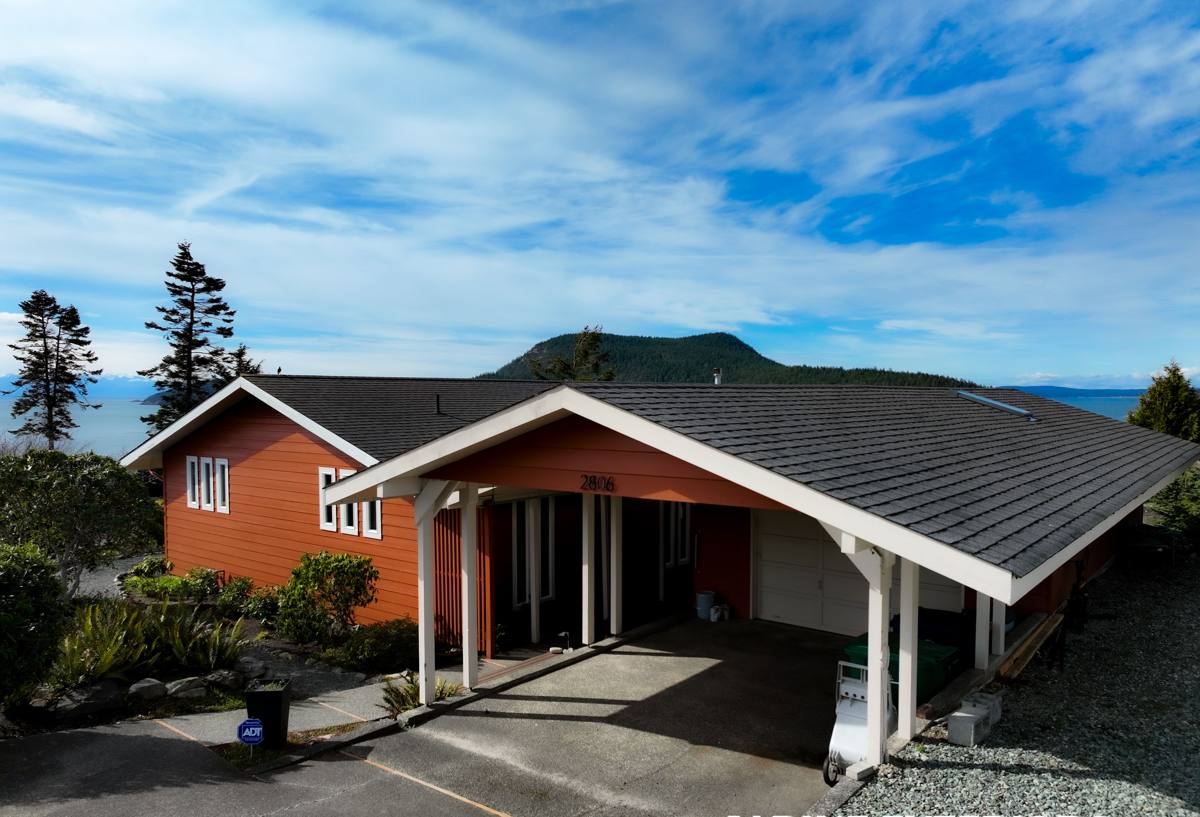
What St. Petersburg's Climate Does to Older Homes
St. Petersburg sits on a peninsula, which means almost every home in the city — Kenwood included — deals with a combination of stressors that inland Florida towns don't see nearly as often:
- Hurricane-force wind events: Even homes outside a storm's direct path regularly see tropical-storm-force gusts that test every seam, fastener, and flashing detail on a roof or siding system.
- Wind-driven rain: Rain doesn't just fall here — it gets pushed sideways into walls, under eaves, and around window and door openings, which is where most water intrusion problems actually start.
- Intense, near-constant UV exposure: Florida's sun degrades paint film, cracks caulk, and breaks down organic siding materials faster than in almost any other part of the country.
- Salt air: St. Petersburg's proximity to Tampa Bay and the Gulf means airborne salt accelerates corrosion of fasteners, flashing, and metal components, and it draws moisture into porous materials.
On an older Kenwood bungalow, these forces compound. Original wood siding and trim that's been repainted a dozen times, roofs that have been re-covered rather than fully restored, and window openings that have shifted slightly with decades of settling all create small gaps where wind and water find a way in.
Why "It's Original, So It Must Be Solid" Isn't Always True
There's a common assumption that if a home's exterior has survived 80-100 years, it must be tough. In reality, most of what's protecting these homes today isn't original material — it's layers of paint, patch repairs, and partial replacements added over time. The underlying structure may still be sound, but the exterior skin protecting it is often past the point where another repaint or spot repair makes sense.
Siding: Why We Only Install James Hardie
When a Kenwood home needs new siding — whether from storm damage, rot, or simply reaching the end of its useful life — we install James Hardie fiber cement exclusively. We don't install vinyl, LP SmartSide, Cemplank, Allura, or primed wood species like spruce or cedar, and we're upfront about why.
| Material | Common Trade-Off in This Climate |
|---|---|
| Vinyl siding | Can warp or deform under intense heat and direct sun exposure; seams and panels are vulnerable in high wind |
| LP SmartSide / engineered wood | Wood-fiber core is sensitive to sustained moisture exposure if any breach in the finish goes unaddressed |
| Cemplank / Allura fiber cement | Similar base material to Hardie, but without Hardie's factory ColorPlus finish or HZ climate-specific engineering for this region |
| Primed spruce or cedar | Natural wood requires the most ongoing maintenance — repainting, caulking, and moisture monitoring — to hold up to salt air and UV |
| James Hardie fiber cement | Non-combustible, engineered HZ10 product line for this humidity zone, factory-baked ColorPlus finish, strong transferable warranty |
None of these alternative products are junk — vinyl and engineered wood siding are used successfully all over the country. But for a peninsula city dealing with hurricane wind loads, wind-driven rain, and salt air on top of it, we've standardized on the product line that holds up with the least long-term maintenance and the fewest surprises. Hardie's fiber cement won't warp in heat, resists moisture intrusion far better than wood-based products, and the ColorPlus factory finish is formulated to resist UV fading longer than field-applied paint.
Working Within Historic Kenwood's Character
Homeowners in older, character-driven neighborhoods often worry that switching siding material means losing the look of the home. James Hardie's lap, shingle, and board-and-batten profiles are manufactured specifically to replicate traditional wood siding details — the kind of reveal, texture, and shadow lines found on bungalow-era homes. If Historic Kenwood or the City of St. Petersburg has any applicable historic-district review requirements for exterior changes, that's a conversation we have with you before work begins, not after.
Roofing: The First Line of Defense
A roof does more work in St. Petersburg than in almost any inland market. Between UV breakdown of shingle granules, wind uplift risk during storm season, and the constant cycle of intense heat followed by heavy rain, roofs here age faster than the national average. On older Kenwood homes, we frequently find:
- Multiple roofing layers added over decades instead of full tear-offs
- Flashing around chimneys, valleys, and roof-wall intersections that's been patched rather than properly replaced
- Ventilation that hasn't kept pace with attic insulation or additions
Whether a roof needs a full replacement or a smaller repair, we evaluate the whole system — decking, underlayment, flashing, and ventilation — not just the visible shingle layer, because a roof that fails during a wind-driven rain event usually fails at a flashing or fastening detail, not in the middle of a shingle field.
Windows: Where Wind-Driven Rain Gets In
Original or older-generation windows are one of the most common weak points on historic-area homes. Wood sashes swell and shrink with humidity, weatherstripping degrades, and single-pane glass does nothing to buffer heat or storm noise. Replacing windows on a historic-character home isn't just a swap-and-go job — matching sightlines, trim profiles, and proportions matters for how the home reads from the street, and getting the flashing and sealing detail right around each opening matters even more for keeping wind-driven rain out during the next storm.
Decks: Built for Sun, Humidity, and Salt Air
Outdoor living is part of why people love Florida, but decks here take abuse from every direction — UV breaks down surface finishes, humidity drives rot in untreated wood, and salt air corrodes fasteners faster than in drier climates. For Kenwood homeowners adding or replacing a deck, material choice and proper fastener selection matter as much as the design itself. We talk through composite versus wood trade-offs, ledger-board attachment and flashing (a common failure point on older homes), and drainage so the structure holds up rather than becoming next season's repair project.
Why a Local Crew Matters Here
Working on a home in Historic Kenwood is different from a new-construction job in a subdivision. It requires:
- Familiarity with older wood-frame construction methods and how additions were typically tied into original structures
- An understanding of Pinellas County's wind-load and building code requirements as they apply to renovation work, not just new builds
- Respect for the neighborhood's visual character when selecting siding profiles, trim details, and colors
- A realistic sense of how St. Petersburg's specific combination of sun, salt, and storm exposure ages materials over time
A crew that mainly works on newer construction in inland areas won't necessarily have run into the specific quirks of a century-old bungalow near Tampa Bay. We do this work across St. Petersburg and Pinellas County regularly, which means fewer surprises once a wall or roof deck is opened up.
A Practical Checklist Before You Start
- Get a full exterior assessment, not just an estimate on the one problem area you noticed
- Ask any contractor directly what siding, roofing, and window products they install — and why
- Confirm whether your specific property falls under any historic-district review requirements before assuming what changes are allowed
- Check that flashing, fastening, and moisture-barrier details are part of the written scope, not just "install siding" or "install roof"
- Ask about warranty terms — both material and workmanship — and get them in writing
If you own a home in Historic Kenwood and want a straight answer on what your siding, roof, windows, or deck actually need — not a sales pitch — we're glad to take a look. Request a free, no-pressure estimate using the form below and we'll walk the property with you.