 St. Petersburg
 Why Roof Age Matters More Here Than in Most Places
A roof in Ohio and a roof in St. Petersburg age at completely different rates, even if they're built from identical materials. Pinellas County sits on a peninsula that takes the full brunt of Gulf humidity, near-constant UV exposure, salt-laden air, and the real possibility of a direct hurricane strike every storm season. That combination shortens the practical service life of almost every roofing material sold, and it means the "20-year shingle" on the package often performs more like a 14 or 15-year shingle once it's been baking on a St. Petersburg roof deck for a decade and a half.
Knowing when to replace instead of repair isn't about hitting a magic number of years. It's about understanding what's actually happening to the materials above your head and reading the signs before a slow leak becomes a ceiling collapse or an insurance non-renewal.
How Long Different Roofing Materials Actually Last in This Climate
Manufacturer lifespan ratings assume moderate climates. Florida's UV load, humidity, and storm exposure pull those numbers down. Here's a realistic range for what homeowners in this area actually see, based on typical field performance rather than marketing literature.
| Roofing Material | Rated Lifespan | Typical Real-World Lifespan in St. Petersburg | Main Local Stressor |
|---|---|---|---|
| 3-tab asphalt shingle | 20-25 years | 12-16 years | UV granule loss, wind uplift |
| Architectural (laminate) asphalt shingle | 25-30 years | 16-22 years | UV, wind-driven rain at edges |
| Concrete or clay tile | 40-50 years | 30-40 years (underlayment often fails first) | Underlayment breakdown under tile |
| Standing seam metal | 40-60 years | 35-50 years | Fastener and sealant maintenance |
| Modified bitumen / flat roof systems | 15-20 years | 10-15 years | Ponding water, seam failure, UV |
Notice that for tile roofs, the tile itself often outlasts the underlayment beneath it by a wide margin. A tile roof that "looks fine" from the ground can still be due for a full tear-off and re-roof because the waterproofing layer underneath has quietly failed.
The Clearest Signs It's Time to Replace, Not Patch
Roofs rarely fail all at once. They send warning signs for months or years before a real problem shows up inside the house. A patch makes sense when the damage is isolated and the rest of the roofing system still has useful life left. Replacement makes sense when the damage is systemic — when the roof as a whole is past the point where individual repairs are cost-effective.
- Granule loss heavy enough that you can see bare, shiny patches on shingles or find granules collecting in gutters after every rain
- Shingles that are curling, cupping, or have lifted tabs — a sign the asphalt has dried out and lost flexibility
- Multiple soft or sagging spots on the roof deck when walked, which often means water has been getting into the plywood
- Recurring leaks in different locations after each patch, rather than one leak that stays fixed
- Visible daylight through the roof deck from inside the attic
- Missing, cracked, or slipped tiles in multiple areas, especially combined with a roof age past 25-30 years
- Rusted, exposed, or backed-out fasteners on a metal roof
- A roof age approaching or past the material's realistic local lifespan shown above, even without obvious visible damage
- An insurance company requesting a 4-point inspection and flagging the roof as a renewal risk
What Hurricane-Force Wind and Wind-Driven Rain Do Over Time
Wind Uplift Is Cumulative Damage
Every roof in this region is engineered to resist a design wind speed, but that rating describes surviving a single event, not absorbing hundreds of wind events over a roof's lifetime. Every tropical storm, every squall line off the Gulf, and every routine summer thunderstorm with gusty outflow puts uplift stress on shingle tabs, tile fasteners, and flashing. That stress accumulates. A roof that handled its first few storms without a shingle out of place can still be working loose fasteners and adhesive bonds year after year, until a storm well below its rated wind speed finally peels back a section that was already compromised.
Wind-Driven Rain Finds the Weak Points
Straight-down rain and wind-driven rain behave very differently on a roof. Wind-driven rain gets pushed sideways and upward under shingle tabs, around ridge caps, and through any gap in flashing that would never leak under normal conditions. This is why homes in St. Petersburg see leaks specifically during named storms or strong squalls, even when the roof has shown no problems for years. It's also why proper underlayment and flashing detail matter as much as the visible roofing material — the shingles or tiles are the first line of defense, but the underlayment is what actually keeps water out once wind pushes past them.
Sun and Salt: The Slower, Quieter Damage
UV Breaks Down Asphalt from the Top Down
Florida gets intense, nearly year-round UV exposure, and asphalt shingles are essentially oil-based products that dry out under constant sun. UV exposure breaks down the asphalt binders, causing granule loss, brittleness, and cracking well before the shingle's rated age. South and west-facing roof slopes, which take the most direct sun in this area, typically show wear years ahead of north-facing slopes on the same roof.
Salt Air Accelerates Metal Corrosion
Being close to Tampa Bay and the Gulf means airborne salt settles on every exposed surface, including roof fasteners, flashing, drip edges, and any exposed metal roofing panels. Salt accelerates corrosion on standard fasteners and unprotected metal, which is why coastal-rated fasteners and properly coated metal components matter more here than they would inland. A roof that used the wrong-grade hardware can show rust streaks and fastener failure well ahead of schedule, even if the main roofing material is holding up fine.
Repair vs. Replace: How to Make the Call
Repairing a roof is almost always cheaper in the short term, but it isn't always the right call. The decision usually comes down to how localized the damage is, how much useful life the rest of the roof has left, and what a repair would actually solve versus what it would just postpone.
| Factor | Favors Repair | Favors Replacement |
|---|---|---|
| Roof age | Under roughly 60% of expected lifespan | Past 70-80% of expected lifespan |
| Damage location | Isolated to one area or slope | Spread across multiple areas or slopes |
| Leak history | First leak, clear single cause | Recurring leaks in different spots |
| Underlayment condition | Intact, dry, still flexible | Brittle, torn, or showing water staining |
| Insurance status | Insurer has no concerns | Insurer flags roof age at renewal |
| Upcoming storm season | Roof otherwise sound | Roof already marginal going into hurricane season |
As a general rule, if a contractor is proposing a third or fourth repair to the same roof within a few years, that's usually a signal the roofing system as a whole has reached the end of its service life, and continued repairs are just delaying an inevitable full replacement while adding to the total cost.
Insurance, Wind Mitigation, and Roof Age in Pinellas County
Roof age has become one of the biggest factors in Florida homeowners insurance, separate from whether the roof is actually leaking. Many insurers now require a 4-point inspection on homes with roofs over 15-20 years old, and some will decline to renew a policy or will require replacement of a roof nearing the end of its rated life, regardless of its current condition. A wind mitigation inspection, which documents things like roof shape, deck attachment, and roof-to-wall connections, can also affect premiums significantly — and a new roof installed to current Florida Building Code wind provisions typically qualifies for better wind mitigation credits than an older roof ever could. For many St. Petersburg homeowners, the insurance conversation ends up being just as much a driver of replacement timing as visible wear and tear.
What a Proper Roof Replacement Actually Involves
More Than Swapping Shingles
A full roof replacement in this area should include a complete tear-off to the deck, inspection and repair of any damaged plywood, installation of code-compliant underlayment (self-adhering or synthetic, depending on the roof type and slope), properly detailed flashing at every penetration and valley, and correctly installed ridge and attic ventilation. Skipping any of these steps to save time or money is exactly how a roof ends up failing years ahead of schedule, regardless of how good the shingles or tiles on top look.
Permitting and Wind Ratings
Roof replacement in St. Petersburg requires a permit, and the installation has to meet current Florida Building Code wind provisions for this region, which are more demanding than what many older roofs were originally built to. That's part of why a code-compliant replacement often performs noticeably better in storms than the roof it replaced, even when using a similar material.
Checklist: What to Confirm Before Signing a Roofing Contract
- Contractor is licensed in Florida and carries current general liability and workers' comp insurance
- Written scope specifies full tear-off, deck inspection, and underlayment type — not just "reroof"
- Permit will be pulled in the homeowner's or contractor's name with the City or County, not skipped
- Manufacturer product line and wind rating are specified in writing, not left vague
- Workmanship warranty terms are spelled out separately from the manufacturer's material warranty
If You're Replacing the Roof, It's Worth Looking at the Whole Exterior
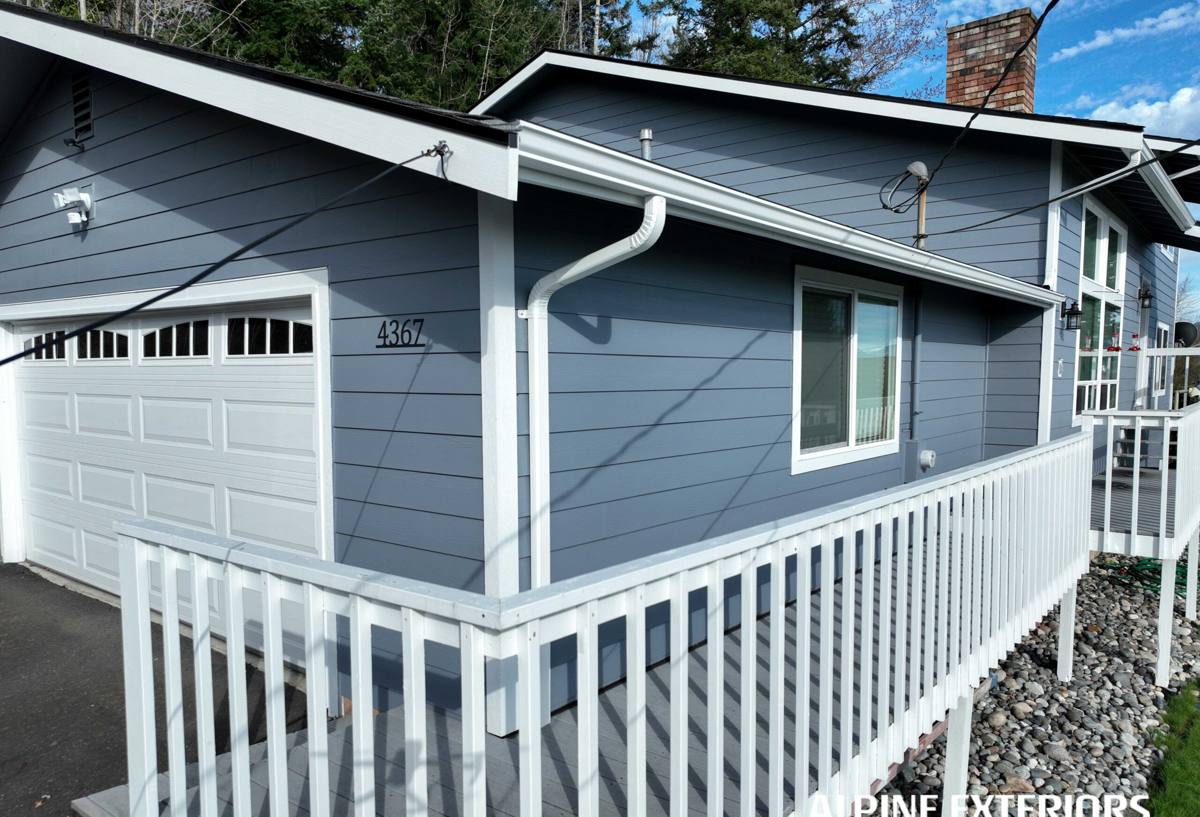
Roof replacement is disruptive enough that it's a natural point to take stock of the rest of the exterior. Siding takes the same UV, wind-driven rain, and salt air exposure as the roof, and if it's original to an older home, it's often showing its age at the same time the roof is. Where siding does need replacing, our position is straightforward: we install James Hardie fiber cement exclusively, because it's non-combustible, holds its factory ColorPlus finish far longer than repainted alternatives, is engineered for high-humidity climates like this one, and comes backed by a strong transferable warranty. It's not the only siding product on the market, but it's the one we're willing to stand behind on Gulf Coast homes.
If your roof is showing any of the signs above, or you're simply not sure where it stands after this many Florida summers and storm seasons, we're glad to take a look. Reach out for a free, no-pressure estimate — we'll give you a straight answer on repair versus replacement, no upsell required.