 St. Petersburg
 Exterior Work in Disston Heights, St. Petersburg
Disston Heights is one of the older, established residential pockets of St. Petersburg, and homes here reflect that — a mix of mid-century block construction, additions and updates layered on over decades, and the kind of mature tree canopy that gives these streets their character but also puts a lot of debris, shade-driven moisture, and limb damage on roofs and siding every year. Whether your home is an original build with its first or second exterior, or a more recent renovation, the exterior envelope on a Disston Heights property has been absorbing Pinellas County weather for a long time, and it shows in specific, predictable ways.
We're a St. Petersburg-based exterior contractor working in siding, roofing, windows, and decks. We don't cover every trade and we don't work every market in Florida — we focus on the exterior envelope, and we focus on this part of the Gulf Coast, which means we see the same failure patterns repeat across neighborhoods like this one often enough to know what actually holds up and what doesn't.
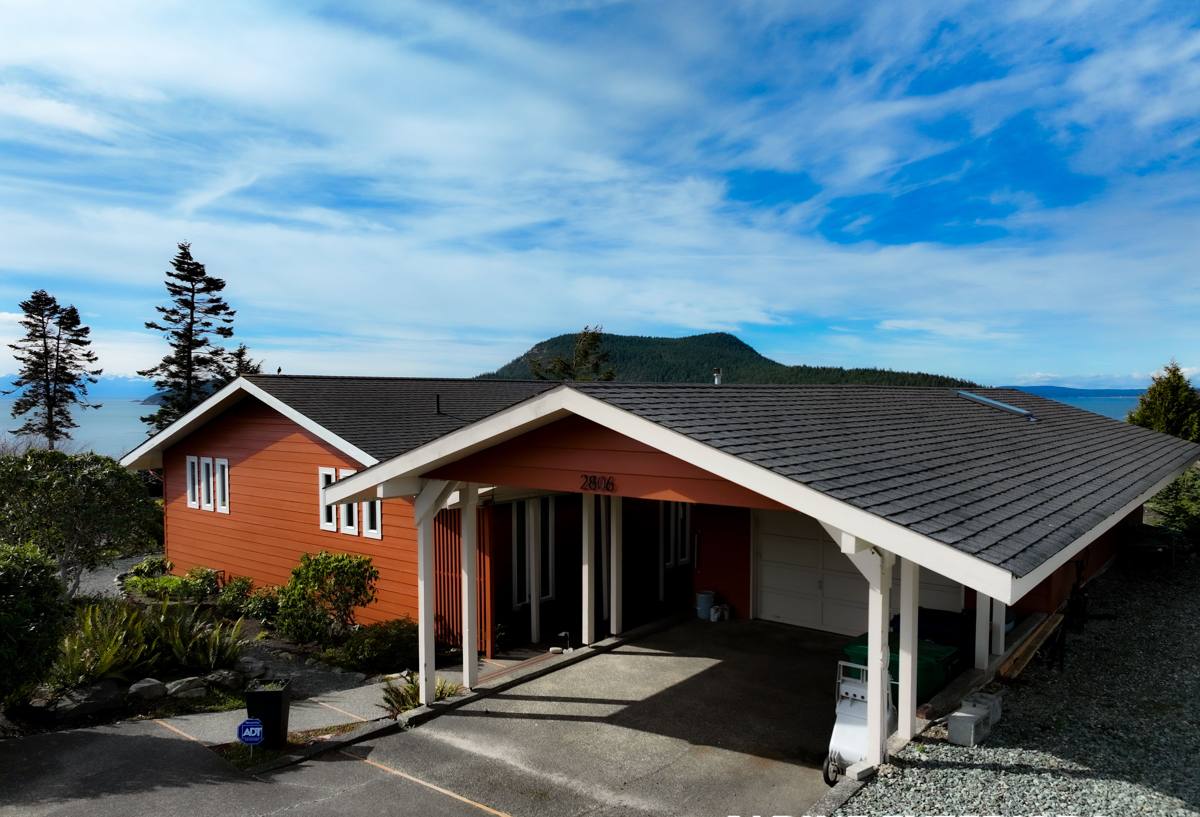
What the Climate Does to Homes in This Area
St. Petersburg sits in a climate zone that's genuinely tough on exteriors, and Disston Heights gets the full effect. A few things compound here:
- Hurricane-force wind exposure. Tropical systems and seasonal squall lines put lateral and uplift stress on siding, roofing, and window assemblies every storm season. Fasteners, flashing, and installation method matter as much as the material itself.
- Intense, near year-round UV. Florida sun degrades paint film, caulk, and lower-grade composite materials faster than almost anywhere else in the country. Coatings that hold up fine in a milder climate chalk, fade, or crack here in a fraction of the time.
- Wind-driven rain. It's not just how much rain St. Petersburg gets — it's the angle. Wind pushes rain sideways into wall assemblies, seams, and window frames, which is a very different (and harder) problem than water simply falling straight down onto a roof.
- Salt air. Even away from the immediate waterfront, Pinellas County's proximity to Tampa Bay and the Gulf means salt-laden air moves inland. It accelerates corrosion on fasteners, hardware, and any metal component in a roofing or siding system that isn't rated for it.
None of that is unique to Disston Heights specifically — it's the reality for St. Petersburg and Pinellas County broadly — but it's worth stating plainly, because it's the entire reason exterior material choice and installation quality matter more here than in most parts of the country.
How This Shows Up on Older Disston Heights Homes
On homes that have been through a few Florida decades, we typically see: siding that's absorbed moisture at seams and butt joints; paint that's chalking or peeling well before it "should" based on age; roof flashing and fasteners showing corrosion; window frames with failed seals letting in humidity; and wood-framed decks or porches with soft spots from years of wet-dry cycling. None of this is a surprise given the exposure — it's just what happens without a maintenance plan and, in some cases, without materials suited to the climate in the first place.
Siding: Why We Only Install James Hardie
Siding is the piece of the exterior that takes the most sustained abuse — UV, wind-driven rain, and humidity, all day, every day. We made a deliberate call as a company to install exclusively James Hardie fiber cement siding, and we don't install vinyl, LP SmartSide, or other engineered wood products, even though we get asked about them.
The short version: fiber cement doesn't absorb water the way wood-based composite products can, it's non-combustible, and it doesn't soften, expand, or contract with heat and humidity the way vinyl does. James Hardie also builds region-specific product lines engineered for exactly the conditions Florida throws at a wall assembly, with a factory-applied ColorPlus finish that's built to hold color under UV exposure that would chalk a standard field-painted surface in a few years.
We go into the full comparison — moisture behavior, warranty structure, maintenance burden, appearance over time — on our dedicated pages about why we don't install those alternative products. The short answer for Disston Heights specifically is that this is a climate where the trade-offs of lower-cost siding materials show up fast, and we'd rather install one thing right than install several things and hope.
Siding Installation Basics That Matter Here
- Correct fastener spacing and type — not just "close enough"
- Proper starter strip and flashing at every horizontal joint and penetration
- Rain screen or drainage plane behind the siding, not siding installed flush to sheathing
- Sealed and caulked joints at windows, corners, and trim using materials rated for UV exposure
- Attention to how the assembly handles wind-driven rain specifically, not just standing water
Roofing for Disston Heights Conditions
A roof in this part of St. Petersburg has to handle wind uplift in storm season, sustained UV load the rest of the year, and the occasional falling limb from mature trees. We look at underlayment quality, flashing detail around penetrations and valleys, and fastening pattern as much as the shingle or material brand itself — a good roofing product installed loosely will still underperform a mid-grade product installed correctly to Florida wind code.
Because Pinellas County enforces wind-rated building code requirements, any roof work here should be done to code minimums as a floor, not a ceiling. We build to the storm exposure this neighborhood actually sees, not just the paperwork minimum.
Windows: Sealing Out Wind-Driven Rain
Older Disston Heights homes often still have original or first-generation replacement windows, and the most common issue we find isn't the glass — it's the seal and flashing around the frame. Wind-driven rain finds any gap in a window installation over enough storm seasons, and once water gets behind a frame, it stays there, feeding rot in wood-framed openings and corrosion in metal hardware. Impact-rated and properly flashed window installation matters as much for keeping water out as it does for storm protection.
Decks: Built for Wet-Dry Cycling
Decks and porches in this climate go through constant wet-dry cycling — rain, then intense sun, repeated for months. That cycle is what causes cupping, splitting, and fastener pop on lower-grade lumber. We build decks with attention to ledger flashing, joist protection, and fastener corrosion resistance, since salt air in the region accelerates hardware failure faster than most homeowners expect.
Cost Factors for Exterior Projects in This Area
Every home and scope is different, but these are the variables that typically move the price on siding, roofing, window, and deck projects in a neighborhood like Disston Heights:
| Factor | Why It Matters |
|---|---|
| Home age and existing condition | Older homes may need substrate repair, additional flashing work, or full tear-off before new material goes on |
| Square footage and roofline/wall complexity | More corners, valleys, and penetrations mean more labor and material for proper flashing |
| Material selection | Fiber cement siding, roofing grade, and window performance rating all affect upfront cost and long-term durability |
| Access and site conditions | Mature landscaping, tight lot lines, and tree canopy common in this neighborhood can affect equipment access and labor time |
| Storm-code compliance | Pinellas County wind-rated requirements can add scope compared to non-coastal markets |
Why a Local Crew Matters Here
Exterior work in St. Petersburg isn't the same job as exterior work in a drier, milder climate, and it isn't even quite the same as exterior work forty miles inland. A crew that works this specific coastal-adjacent, hurricane-exposed environment day in and day out knows how wind-driven rain actually behaves against a wall, knows what salt air does to fasteners over a few seasons, and knows how Pinellas County wind code gets applied in practice — not just in theory. That's the difference between an exterior that looks right at installation and one that's still performing right five and ten years later.
Being local also means we're not driving in from another market to do one job and leaving. If a question comes up after the work is done, we're a short trip away, not a phone number attached to a crew that was passing through.
A Simple Pre-Project Checklist
- Walk the exterior and note any soft spots, staining, or peeling on siding and trim
- Check window frames and sills for gaps, soft wood, or water staining
- Look at roof flashing around vents, chimneys, and valleys for rust or lifted edges
- Inspect any deck ledger board and support posts for softness or fastener corrosion
- Ask any contractor bidding the work what specific material and installation method they'd use for this climate, not just a generic quote
If you're in Disston Heights and dealing with siding, roofing, window, or deck issues — or just want an honest read on where your exterior stands — we're happy to come take a look. The estimate is free and there's no pressure attached to it; you'll get a straight assessment and, if it makes sense, options that actually hold up to what St. Petersburg weather does to a home.