 St. Petersburg
 Exterior Work Built for Shore Acres
Shore Acres sits on the water in St. Petersburg, and that's both the appeal and the challenge. Homes here back up to canals and open bay water, which means near-constant exposure to salt-laden air, humidity that never really lets up, and the kind of wind-driven rain that finds every weak seam in a roof or siding system. If you own a home in Shore Acres, your exterior is working harder than a house three miles inland, whether you notice it day to day or not.
We work throughout Pinellas County, but waterfront and near-waterfront neighborhoods like Shore Acres get a different mindset from our crews. Salt air corrodes fasteners, degrades certain finishes faster, and accelerates wood rot in ways that inland homeowners rarely deal with. We plan for that instead of reacting to it after the fact.
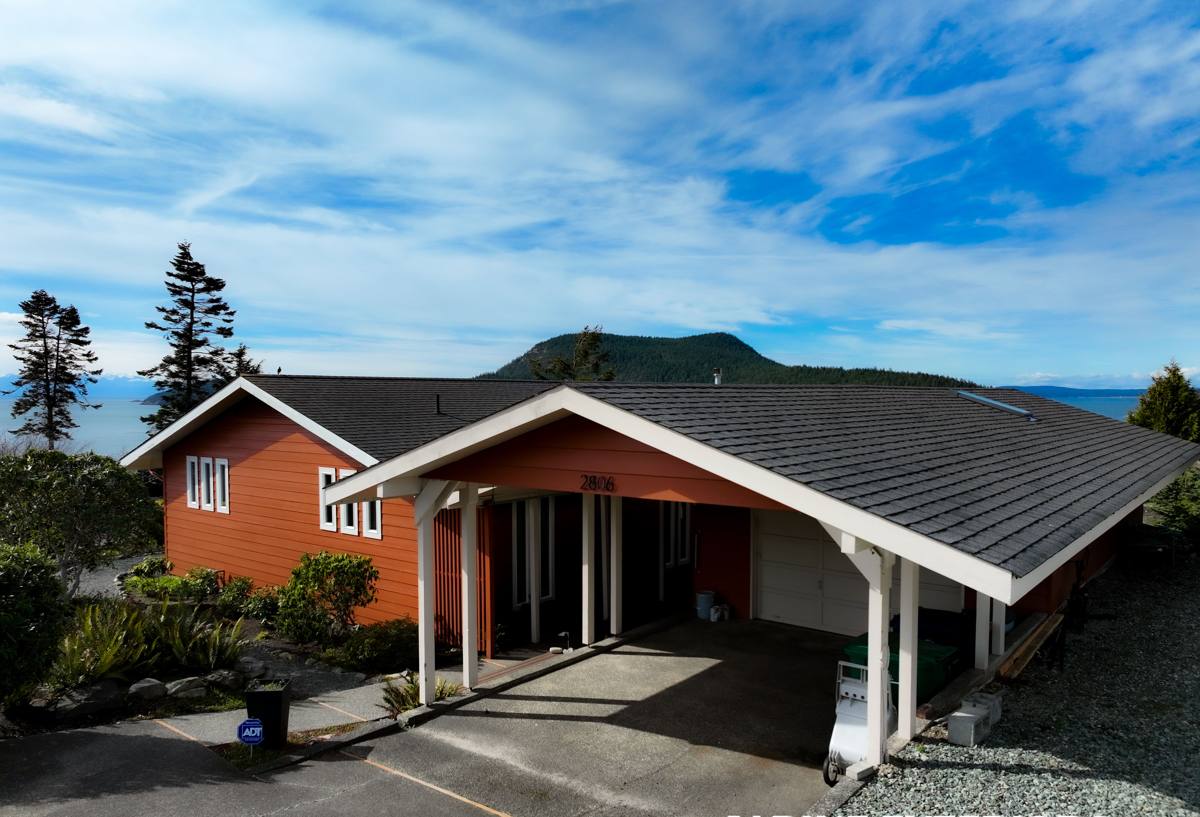
What the Climate Does to a Shore Acres Home
Salt Air and Moisture
Airborne salt from the bay settles on every exterior surface — siding, trim, roof flashing, window frames, deck hardware. Over years, it accelerates corrosion in untreated or lower-grade metal fasteners and connectors, and it speeds up the breakdown of finishes that aren't formulated to handle it. Combine that with Florida humidity and you get a slow, steady moisture load that exterior materials have to shed effectively or they'll hold water long enough to cause problems underneath.
Wind and Wind-Driven Rain
St. Petersburg sits in a hurricane-exposed part of the Gulf Coast, and waterfront neighborhoods take the brunt of it first. It's not just sustained wind speed that damages homes — it's wind-driven rain getting pushed sideways under laps, around window frames, and into any gap in the building envelope that wasn't sealed correctly. A roof or siding system that looks fine in a light rain can still leak badly in a wind event if the details weren't installed to spec.
Year-Round UV
Florida sun is intense and consistent almost every month of the year. UV breaks down cheap paint films, causes cracking and fading in lower-grade siding, and dries out unprotected or improperly sealed wood. On a canal lot with little shade from mature tree cover on the water side, that UV exposure is often worse than what you'd see on a shaded inland street.
Siding: Why We Only Install James Hardie
Siding is the first thing salt air, sun, and storms attack, and it's the product decision that matters most for a Shore Acres home. We install James Hardie fiber cement exclusively — not vinyl, not LP SmartSide, not primed wood — because it's the product we trust to hold up in this specific environment without turning into a maintenance project.
- Non-combustible: fiber cement doesn't feed a fire the way wood-based products can, which matters for insurance and for peace of mind.
- Won't rot from moisture: unlike wood or wood-composite siding, Hardie fiber cement isn't a food source for moisture-driven decay, which matters enormously in a humid, salt-air environment.
- Factory-applied ColorPlus finish: the color is baked on at the factory under controlled conditions, resisting fade and chipping far better than field-applied paint, which struggles against constant Florida UV.
- HZ5 engineering: Hardie's HZ5 product line is engineered for exactly the moisture and humidity conditions found along Florida's coast, including Pinellas County.
- Doesn't warp or expand/contract like vinyl: vinyl siding can warp in direct heat and become brittle with age and UV exposure — a real concern on a west- or south-facing wall with no tree cover.
We've made siding installation a single-product specialty rather than offering a menu of options, because on a waterfront lot the gap between a correctly installed Hardie system and a lesser product shows up faster — usually within a few storm seasons, not decades.
Roofing for Wind and Water Exposure
A roof over a Shore Acres home needs to handle sustained wind uplift, wind-driven rain intrusion, and salt-air corrosion of metal components all at once. The details that matter most are often invisible once the job is done: proper underlayment, correctly lapped flashing at every penetration, and fastening patterns that meet wind-rated installation standards rather than the bare minimum. We pay particular attention to flashing around chimneys, vents, and roof-to-wall transitions, since that's where wind-driven rain gets in on homes near open water.
Metal roofing components and fasteners on a canal-facing home should be rated for coastal/salt exposure — using the wrong grade of hardware is a common shortcut that shows up as rust streaks and failed fasteners years before it should.
Windows: Sealing Out Wind-Driven Rain
Window failures in Shore Acres are rarely about the glass itself — they're about the installation. A window that isn't flashed and sealed correctly will let wind-driven rain track in around the frame during a strong storm, even if the unit itself is rated for the wind zone. We install with attention to proper flashing integration with the surrounding wall assembly, correct sealant application, and fastening that accounts for the wind loads this part of St. Petersburg sees. Impact-rated or otherwise wind-rated windows are worth discussing for a waterfront property, both for storm protection and for the insurance considerations that often come with living this close to the water.
Decks: Built to Handle Salt, Sun, and Moisture
Outdoor living is a big part of why people choose a Shore Acres address in the first place — a deck facing the canal is a real asset. It's also under constant stress from the same salt air, UV, and humidity that hits the rest of the exterior, plus the added factor of ground moisture and, in some cases, proximity to tidal influence. We focus on corrosion-resistant fastening hardware, proper spacing and ventilation underneath the deck surface to let it dry out between rain events, and material choices that hold up to direct sun without excessive cracking, splintering, or fading.
What a Local Crew Actually Changes
A contractor who works across Pinellas County day in and day out knows the difference between a job on a shaded inland street and a job on open water in Shore Acres. That shows up in small decisions — fastener grade, flashing detail, how tight the laps need to be on a wall that takes rain sideways — that a crew unfamiliar with coastal conditions might not think twice about. It also means we're accountable locally: we're not driving in from out of the area for one job and gone. We understand St. Petersburg's permitting expectations, and we've seen firsthand what does and doesn't hold up on the water side of this city.
Comparing Exterior Priorities by Component
| Component | Main Coastal Risk | What We Prioritize |
|---|---|---|
| Siding | Salt-air degradation, UV fade, moisture-driven rot | James Hardie fiber cement, factory-cured ColorPlus finish, HZ5 engineering |
| Roofing | Wind uplift, wind-driven rain intrusion, fastener corrosion | Wind-rated fastening, correctly lapped flashing, coastal-grade hardware |
| Windows | Wind-driven rain around frames, storm impact | Proper flashing/sealant integration, wind-rated or impact-rated units |
| Decks | Salt corrosion of hardware, sun damage, moisture underneath | Corrosion-resistant fasteners, ventilated framing, durable decking material |
A Practical Checklist for Shore Acres Homeowners
- Walk your siding after the next hard rain and look for streaking, bubbling, or soft spots — signs water is getting behind the surface.
- Check exposed fasteners on railings, gutters, and trim for rust bleed, which signals the wrong hardware grade was used originally.
- Look at south- and west-facing walls for fading or chalking that's noticeably worse than the rest of the house — a sign of UV-vulnerable material or finish.
- Inspect roof flashing around any penetration (vents, chimneys, skylights) at least once a year, especially before hurricane season.
- After named storms, do a visual check of siding laps, window seals, and deck fasteners even if nothing looks obviously wrong.
- Don't wait for a leak to show up inside before addressing exterior wear — by then the damage is usually well ahead of what's visible.
Getting Started
Every Shore Acres property is a little different depending on how close it sits to the water, how much sun exposure it gets, and the age and condition of the existing exterior. We'd rather walk your property and give you a straight assessment than guess from a distance. If you're weighing a siding replacement, a roof that's due, new windows, or deck work, we're happy to take a look and lay out what we'd actually recommend — no pressure, no upsell. Reach out for a free estimate using the form below.