 St. Petersburg
 Exterior Work in Childs Park, St. Petersburg
Childs Park is one of St. Petersburg's established residential neighborhoods, home to a mix of mid-century ranch houses, bungalows, and infill construction built over several decades. Homes in this part of Pinellas County have weathered a lot of Florida summers, and it shows on exteriors that haven't been updated recently — chalky or fading paint, siding joints that have opened up, roof edges that have taken more sun and wind than they were built for. We work on homes throughout Childs Park and the surrounding south St. Petersburg neighborhoods, and we bring the same standard to every job: install the exterior systems that actually hold up here, not just the ones that are cheapest to sell.
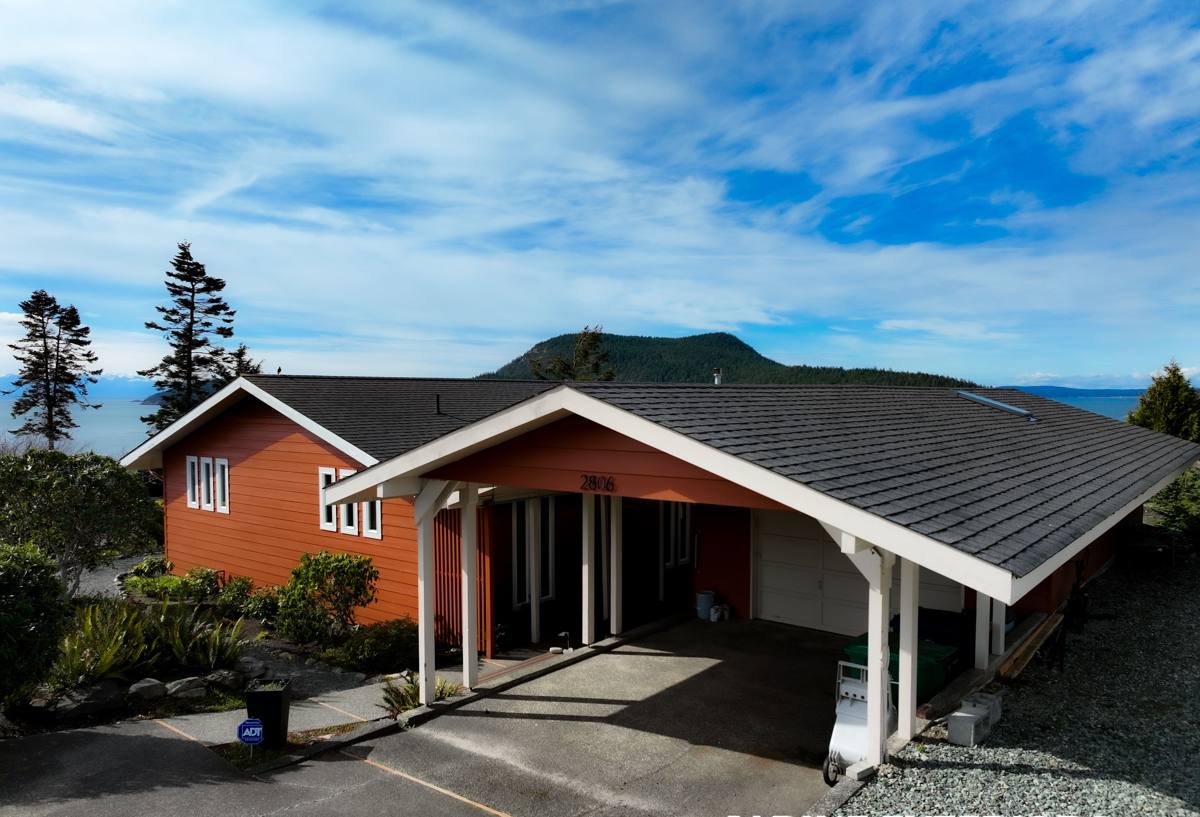
What the Climate Does to Homes in This Neighborhood
St. Petersburg sits on a peninsula surrounded by saltwater, and Pinellas County catches the full range of what Gulf Coast weather can throw at a house. A few things matter most for exteriors in Childs Park specifically:
- Hurricane-force wind events. Even when a storm doesn't make a direct hit, tropical systems moving through the Gulf send sustained wind and gusts through this area almost every hurricane season, testing every seam, fastener, and flashing detail on a home's exterior.
- Intense, near-constant UV exposure. Florida's sun angle and year-round exposure break down paint films, plastics, and lower-grade composite materials faster than in most of the country. Siding and trim that look fine in a showroom can chalk, fade, or become brittle within a few years here.
- Wind-driven rain. St. Petersburg storms rarely fall straight down. Rain gets pushed sideways into wall assemblies, which is why joints, caulking, and water-resistive barriers matter as much as the visible material itself.
- Salt air. Even homes several miles inland in Pinellas County see salt content in the air carried off Tampa Bay and the Gulf. Salt accelerates corrosion on fasteners, hardware, and metal roofing components, and it degrades certain finishes over time.
None of this means a home in Childs Park is doomed to constant repairs — it means the materials and installation details have to be chosen with this climate in mind, not borrowed from a spec sheet written for a drier, milder region.
Siding: Why We Only Install James Hardie
Siding takes the brunt of Florida weather more than almost any other exterior component, because it's the largest continuous surface exposed to sun, rain, and wind at once. We install James Hardie fiber cement siding exclusively — we do not install vinyl, LP SmartSide, Cemplank, Allura, or primed wood siding, and we're upfront about why.
The problem with the alternatives, honestly stated
Vinyl siding is affordable and low-maintenance in mild climates, but it's a plastic product, and plastic softens, warps, and becomes brittle under sustained UV and heat the way Florida delivers it. In a wind event, vinyl panels are also more prone to cracking or blowing off than a heavier, mechanically fastened material. LP SmartSide, Cemplank, and Allura are engineered wood or fiber cement competitors that have their own place in the market, but each comes with trade-offs — moisture sensitivity at cut edges, coating systems that don't match Hardie's factory-cured ColorPlus finish, or warranty structures that are less favorable to the homeowner. Primed wood or cedar siding can look great, but it demands a maintenance schedule most homeowners don't keep up with, and near-coastal humidity and salt air shorten its service life further.
Why James Hardie holds up here
Fiber cement is non-combustible and dimensionally stable — it doesn't expand and contract with heat and humidity the way wood or vinyl does, which means fewer cracked caulk joints and less buckling over time. James Hardie makes HZ5 product lines specifically engineered for hot, humid climates like ours, and the ColorPlus factory finish is baked on under controlled conditions, which holds color better under intense UV than field-applied paint. It also carries a strong, transferable warranty, which matters if you sell the home down the road. This is why, after years of installing exteriors on Gulf Coast homes, we standardized on one product line instead of offering several.
Siding Material Comparison for This Climate
| Material | UV/Fade Resistance | Wind Performance | Moisture Behavior | Maintenance |
|---|---|---|---|---|
| James Hardie fiber cement | Strong (factory ColorPlus finish) | Strong when installed to spec | Stable, doesn't rot | Low |
| Vinyl | Fades, can become brittle | Weaker in high wind | Doesn't rot, but can warp from heat | Low |
| LP SmartSide / engineered wood | Moderate, coating-dependent | Moderate | Vulnerable at cut edges/exposed panels | Moderate |
| Primed wood or cedar | Fades without upkeep | Moderate | Rot and pest risk in humidity | High |
Roofing for South St. Petersburg Homes
A roof in Childs Park is doing two jobs at once: shedding wind-driven rain and surviving sustained UV that bakes shingles and underlayment year-round. We look at the whole system, not just the shingles — proper underlayment, flashing at every penetration and edge, and secondary water barriers matter as much as the roofing material itself. Wind uplift at eaves, ridges, and rakes is where most storm damage starts, so fastening patterns and edge details get particular attention on every roof we install or repair in this area. Because Childs Park has a mix of older and newer roof structures, we also check decking condition before assuming a straightforward reroof — older homes sometimes need deck repair or upgraded ventilation before new roofing goes on.
Windows: Wind, Water, and Efficiency
Windows are one of the more vulnerable points in a home's exterior envelope, both for storm performance and everyday energy loss. In Pinellas County, impact-rated and properly rated windows aren't a luxury upgrade so much as a practical response to the wind loads and wind-driven rain this coastline sees regularly. Beyond storm performance, older single-pane or poorly sealed windows in Childs Park homes are often a bigger source of summer energy loss than homeowners realize — replacing them properly, with correct flashing and sealing around each opening, does as much for comfort and utility bills as it does for curb appeal.
Decks: Built for Sun, Humidity, and Salt Air
Outdoor living space matters in Florida, but a deck built without this climate in mind ages fast. Constant sun exposure dries and cracks lower-grade lumber, humidity encourages rot and mildew at ground contact and fastener points, and salt-laden air corrodes cheap hardware faster than most homeowners expect. We use fasteners and structural hardware rated for coastal exposure and detail decks so water sheds away from ledger boards and posts instead of sitting and soaking in. A deck built right the first time in Childs Park should need routine cleaning and occasional resealing — not structural repairs every few years.
Signs Your Exterior Needs Attention
Most exterior problems in this climate show warning signs well before they become emergencies. Homeowners in Childs Park should keep an eye out for:
- Chalky residue or visibly faded color on siding, especially on south- and west-facing walls
- Cracked or separated caulk joints around windows, doors, or siding seams
- Soft or spongy decking, or rust streaks around deck fasteners
- Missing, curling, or granule-shedding shingles after wind events
- Water stains on interior ceilings near exterior walls or roof valleys
- Corroded or discolored hardware around windows, gutters, or railings
- Warped or buckling siding panels, particularly at butt joints
Catching these early is almost always cheaper than waiting for a full failure, and it's a big part of why we recommend a walk-around inspection even when nothing looks urgent yet.
Why a Local Crew Matters in Childs Park
Exterior work in this neighborhood isn't generic. A crew that installs siding, roofing, windows, and decks across St. Petersburg and Pinellas County every week understands things a traveling or out-of-area contractor won't — how the county's permitting and wind-load requirements apply to a given home, how salt air behaves a few miles from the bay versus a few miles from the Gulf, and which failure points show up again and again on homes of a certain age and construction style in this part of the city. We also know that a local reputation is only as good as the last job, which keeps the work honest.
What Working With Us Looks Like
For most Childs Park projects, the process starts with a straightforward walk-around: we look at the current condition of siding, roof, windows, or deck, talk through what's actually driving the need for work (storm damage, age, an upcoming sale, ongoing maintenance headaches), and give a clear picture of options and honest cost ranges before anything is signed. There's no pressure to upgrade everything at once — some homes need a full siding replacement, others just need targeted roof repair or a handful of window replacements. We scope the job to what the home actually needs.
If your home in Childs Park has siding that's fading or pulling apart, a roof that's due for a look after the last storm season, windows that leak air or water, or a deck that's seen better days, we'll come take a look and give you a straightforward, no-pressure estimate — no obligation, just an honest read on where things stand.