 St. Petersburg
 Why Roofs in Old Northeast Wear Differently Than Elsewhere
Old Northeast is one of St. Petersburg's older, more established neighborhoods, and that history shows up on the roofs as much as it does on the front porches. Homes here tend to be several decades old, many built long before current Florida Building Code wind and moisture standards existed. Layer that housing stock on top of Pinellas County's climate — hurricane-force wind events, intense year-round UV exposure, wind-driven rain that finds every gap in flashing, and salt air drifting in off Tampa Bay — and you get roofs that age faster and fail in more specific ways than a generic "roofs wear out over time" story would suggest.
A roof replacement here isn't just swapping old shingles for new ones. It's an opportunity to correct decades of code changes, address whatever the original builder didn't have to worry about, and put a system on the house that's actually matched to what this neighborhood's climate does to a roof year after year.
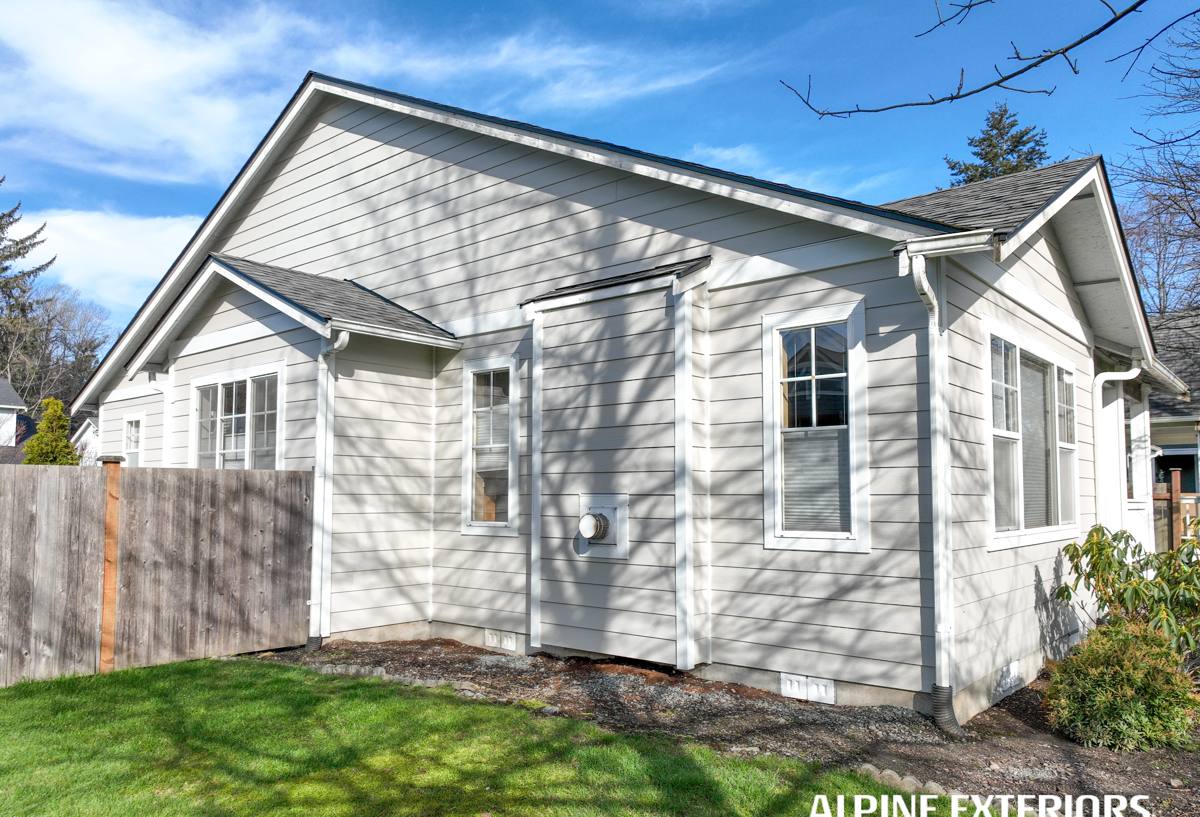
What Old Northeast's Housing Stock Means for a Roof Replacement
A large share of homes in Old Northeast are older bungalow, Craftsman, and Mediterranean Revival-style houses, often with mature oak tree canopy overhead and roof lines that weren't designed with modern ventilation or wind-uplift standards in mind. That combination creates a few recurring realities we plan around:
Original Decking and Framing
On older homes, the roof deck underneath the shingles or tile is frequently the original wood sheathing, sometimes plank decking rather than modern plywood or OSB. It may still be structurally sound, but decades of attic heat, minor leaks, and humidity cycling can leave it soft, delaminated, or under-fastened by today's standards. You don't know what's under an old roof until you tear it off — which is exactly why a proper replacement includes deck inspection as a required step, not an upsell.
Tree Canopy and Debris Load
Mature oak canopy is part of what makes this neighborhood pleasant to live in, but it also means more organic debris on the roof, more shaded areas that stay damp longer after rain, and a higher chance of falling limbs during storms. Roofing systems here benefit from underlayment and flashing details that account for standing moisture in valleys and around chimneys, not just a bare-minimum install.
Character and Curb Appeal
Many Old Northeast homeowners care about how a new roof reads from the street — this is a neighborhood where architectural character matters. That's a legitimate factor, and we treat it as one, but it never overrides the parts of the job that protect the house: proper ventilation, correct fastening patterns, and flashing that's installed to actually shed water rather than just look finished.
Signs Your Roof Is Actually Due for Replacement
Not every roof problem means a full replacement — some are legitimately repairable. But in a coastal, storm-exposed area like St. Petersburg, waiting too long to replace a roof that's past its service life turns a planned project into an emergency one. Watch for:
- Shingles that are cupping, curling, or losing granules in visible patches, especially on south- and west-facing slopes that take the most UV exposure
- Soft spots or noticeable give when walking the roof, which usually means deck damage underneath
- Recurring leaks around the same penetration — chimney, vent stack, skylight — even after repairs
- Visible daylight through the attic decking, or attic insulation that's damp or stained
- A roof older than 18-20 years for asphalt shingle, or one that's taken direct storm damage from a recent hurricane or tropical system
- Rising energy bills that track with a roof losing its reflective coating or ventilation efficiency
Choosing the Right Roofing System for This Climate
There's no single "best" roofing material — the right choice depends on budget, the home's structure, and how much wind and heat performance you want to buy up front. Here's how the common options compare for a coastal Pinellas County home:
| Material | Wind Performance | Heat & UV Resistance | Salt Air Durability | Typical Lifespan |
|---|---|---|---|---|
| Architectural asphalt shingle | Good, with proper nailing and rated products | Moderate; reflective options improve this | Good with quality granule coating | 20-30 years |
| Standing seam metal | Excellent, especially with hidden fasteners | Very good; reflects heat well | Very good with coastal-rated coatings | 40-50+ years |
| Concrete or clay tile | Excellent when properly fastened to code | Excellent | Good; underlayment is the real wear point | 40-50+ years (underlayment 20-25) |
Tile and metal both carry a higher upfront cost but hold up longer against wind and salt exposure, which matters more here than in inland Florida. Architectural shingle remains a reasonable, well-tested choice for many Old Northeast homes, particularly when the existing structure and roof lines are already suited to it. We'll talk through what fits your house and budget rather than pushing one system across every project.
What a Correct Roof Replacement Actually Involves
A roof replacement done right is a sequence, and skipping steps is where most premature failures come from. Ours includes:
Full Tear-Off, Not a Recover
We remove the existing roofing material down to the deck rather than layering new shingles over old. A recover hides problems instead of fixing them, and it's a poor fit for a home where the goal is a roof that lasts through the next several storm seasons.
Deck Inspection and Repair
Once the old material is off, we inspect the decking for soft spots, rot, and delamination, and replace any sections that don't meet current standards before anything new goes down. On older Old Northeast homes, this step is where we most often find something worth catching early.
Underlayment and Moisture Barrier
Synthetic or self-adhering underlayment goes down next, with extra attention at valleys, low-slope sections, and anywhere water tends to sit under tree canopy. This layer is your backup protection if wind ever lifts or damages the outer roofing material.
Flashing at Every Penetration
Chimneys, vent stacks, skylights, and wall-to-roof transitions are where the overwhelming majority of leaks originate — not the open field of the roof. New flashing, properly integrated with the underlayment and roofing material, is non-negotiable.
Ventilation Correction
Older homes frequently have inadequate or unbalanced attic ventilation, which shortens shingle life and raises cooling costs. We assess intake and exhaust ventilation as part of the replacement and correct it where the current setup is undersized.
Wind-Rated Fastening and Code Compliance
Fastening patterns, nail counts, and material ratings are installed to current Florida Building Code wind requirements for this region — not the standards the house was originally built under. This is one of the most meaningful upgrades a replacement gives an older home.
How Our Process Works, Start to Finish
- Roof assessment — we inspect the current roof, attic, and structure, and give you an honest read on repair versus replacement.
- Written estimate — material options, scope of work, and pricing laid out clearly, with no vague allowances.
- Permitting — we pull the required City of St. Petersburg / Pinellas County permits and coordinate inspections; this isn't optional on a full replacement and we don't skip it.
- Material delivery and site protection — landscaping, driveways, and outdoor living areas get covered and protected before work starts.
- Tear-off and deck inspection — old material removed, deck evaluated and repaired as needed.
- Underlayment, flashing, and installation — the new system goes on in the sequence outlined above.
- Cleanup and magnetic nail sweep — full site cleanup, including a nail sweep of the yard and driveway.
- Final walkthrough and inspection sign-off — we review the finished roof with you and close out the permit inspection.
Permits, Wind Mitigation, and Insurance Considerations
A full roof replacement in St. Petersburg requires a permit, and the finished work has to pass inspection against current Florida Building Code wind provisions for this region — Pinellas County sits in a high-wind zone given its coastal exposure. Beyond the code requirement, a new roof installed to current standards typically qualifies for a wind mitigation inspection, which can lower your homeowner's insurance premium. We can point you toward what that process involves, though the inspection itself and any premium adjustment are between you and your insurer. Keep your permit closeout paperwork and product documentation — insurers and future buyers both tend to ask for it.
What Affects the Cost of a Roof Replacement Here
| Cost Factor | Why It Matters |
|---|---|
| Roof size and pitch | More square footage and steeper pitches mean more material and labor time |
| Material choice | Asphalt shingle, metal, and tile carry significantly different material and labor costs |
| Deck condition | Rotted or delaminated decking found during tear-off adds repair cost that can't be known until the old roof is off |
| Roof complexity | Valleys, dormers, chimneys, and multiple roof lines increase flashing and labor time |
| Ventilation upgrades | Correcting undersized attic ventilation on older homes adds a modest cost with real payback in shingle life and cooling costs |
| Access and site conditions | Mature trees, tight lot lines, and limited driveway access can affect staging and cleanup time |
We give exact numbers only after a physical inspection — anyone quoting a firm price sight unseen on an older Old Northeast home is guessing, and that guess usually turns into a change order once the deck is exposed.
Why Local Experience in Old Northeast Matters
A roofing crew that regularly works this neighborhood knows what to expect before the first shingle comes off: the general age range of the housing stock, the kind of decking that's likely underneath, how tree canopy affects moisture and debris, and what the local permitting process actually requires. That familiarity shows up in fewer surprises during the job and a system that's genuinely matched to how this part of St. Petersburg gets treated by weather — not a one-size-fits-all install pulled from a suburban new-construction playbook. It also means being available and accountable afterward, which matters more here than in newer subdivisions where every house is close to identical.
Protecting Your Investment After Installation
A correctly installed roof still benefits from basic upkeep, particularly under oak canopy and coastal salt exposure:
- Have gutters and downspouts cleared of leaves and debris at least twice a year
- Schedule a visual roof inspection after any major named storm, even if you don't see obvious damage
- Trim back tree limbs that overhang the roofline to reduce abrasion and debris buildup
- Check attic ventilation isn't blocked by insulation or debris during any attic work
- Address minor flashing or sealant issues promptly rather than waiting for a leak to show up inside
If you're weighing repair versus replacement, or just want an honest look at where your roof actually stands, we're glad to come out and take a look. The estimate is free, there's no pressure attached to it, and you'll get a straight answer either way — you can request one using the form below.