 St. Petersburg
 Roser Park's Older Homes Need Siding Built for This Spot
Roser Park is one of St. Petersburg's older residential pockets — a hilly, ravine-cut neighborhood of early-1900s bungalow and craftsman-style homes that looks almost nothing like the flat subdivisions found through most of Pinellas County. That terrain brings mature tree canopy, more shade and moisture retention against exterior walls, and a housing stock old enough that a lot of it is still wearing original wood lap siding, or a patchwork of repairs and repaints layered on top of it over the decades. Replacing that siding isn't a one-size-fits-all job. It has to hold up to the same Gulf Coast climate punishing every home in the area, while fitting a neighborhood where architectural character actually matters to the people living there.
This page covers what a fiber cement siding job in Roser Park should look like — the climate it has to survive, what correct installation involves, and why a crew that already works this part of St. Petersburg does a better job than one seeing the neighborhood for the first time.
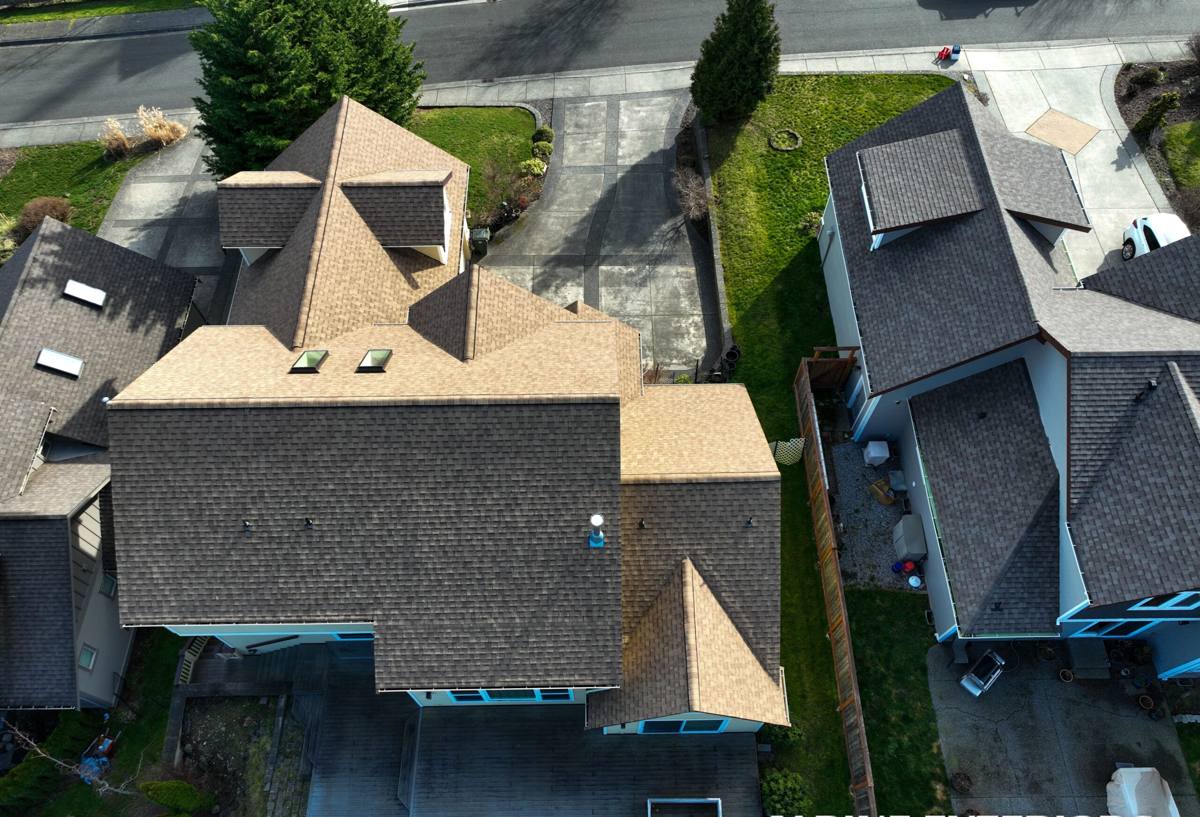
What This Climate Does to Siding in Roser Park
Every exterior in Pinellas County deals with the same core stressors: hurricane-force wind events, intense UV exposure nearly year-round, wind-driven rain that gets pushed sideways into wall assemblies during storms, and salt air drifting in off the Gulf and Tampa Bay. Roser Park adds its own wrinkle — a heavier tree canopy along the ravine that keeps some wall sections shaded and slower to dry out after rain, which matters a lot when the substrate underneath is original early-20th-century wood sheathing.
| Climate Stressor | What It Does to Siding | What Correct Material/Install Prevents |
|---|---|---|
| Hurricane-force wind | Loosens fasteners, peels panels, drives debris into walls | Rated fastening pattern, correct nail placement, wind-rated product |
| Year-round UV | Fades paint, breaks down cheaper coatings, dries out wood | Factory-baked finish that resists UV fade far longer than field paint |
| Wind-driven rain | Forces moisture behind panels at seams and penetrations | Proper flashing, weather barrier, and shingle-lap technique |
| Salt air | Corrodes fasteners and trim, accelerates coating breakdown | Corrosion-resistant fasteners and a moisture-stable siding material |
| Shaded/damp wall sections | Slower drying after rain, higher risk of rot in wood substrates | Non-combustible, moisture-resistant panel and a properly vented assembly |
None of these stressors are unique to Roser Park, but the combination of an older wood-frame structure and a shadier lot means moisture problems tend to show up here before they show up on a newer home three blocks away in full sun.
Why Fiber Cement Fits This Neighborhood's Character
Roser Park homes generally weren't built with vinyl or synthetic siding in mind — they were built with painted wood lap siding, and that's the look most owners want to preserve or restore. Fiber cement is the only siding material we install that can hold that traditional lap profile and trim detailing without the maintenance burden of real wood. James Hardie's lap boards come in widths and exposures that mimic historic wood siding closely, and the factory ColorPlus finish holds color the way old-fashioned painted wood never could, without the repainting cycle every five to seven years that a wood-sided bungalow demands.
That matters in a neighborhood where a lot of homeowners care about keeping their house looking like it belongs on the street, not like it got a big-box vinyl upgrade. Fiber cement gives you that traditional look with a material that doesn't rot, doesn't attract termites, and won't burn the way wood siding will in a fire.
What a Correct Fiber Cement Job Actually Involves
A lot of siding problems we get called out to fix started as a rushed installation, not a bad material. Fiber cement performs exactly as well as the crew that installs it. The details that separate a job that lasts twenty-plus years from one that fails in five aren't visible from the curb:
- Full tear-off and inspection of the substrate — especially critical on older Roser Park homes where original wood sheathing may already have hidden moisture damage under the existing siding
- A correctly lapped weather-resistant barrier behind the panels, not just a patch job over the old one
- Proper flashing at every window, door, and roofline penetration — this is where most water intrusion actually starts, not through the siding face itself
- Minimum ground clearance and correct clearance at roof lines, decks, and patios so panels never sit in standing moisture
- Manufacturer-specified fastener type, spacing, and placement — not "close enough," since under-driven or over-driven nails are one of the most common causes of early siding failure
- Caulked and painted (or factory-matched) joints at every seam, corner, and trim transition
Skip any one of these steps and the siding itself can be perfect James Hardie product and the wall will still fail early. Installation quality is at least as important as the material choice.
Why We Only Install James Hardie
We don't install vinyl siding, LP SmartSide, Cemplank, Allura, or primed wood species like spruce or cedar. That's a standard we hold across every job we take, not just in Roser Park. Vinyl softens, warps, and cracks under sustained UV and heat the way this climate delivers it, and it isn't a great match for a historic-character neighborhood to begin with. Engineered wood products like LP SmartSide use wood strand cores that are more moisture-sensitive at cut edges and seams than fiber cement, which matters in a shaded, humid pocket like this one. Other fiber cement brands exist, but James Hardie is the one we've found delivers the most consistent factory finish, the clearest climate-specific engineering, and the strongest transferable warranty backing it up. We'd rather install one product correctly, every time, than juggle five and get good at none of them.
James Hardie Product Lines We Use Here
James Hardie engineers its siding by climate zone, and Pinellas County falls into the HZ10 zone — the version of their product formulated for the moisture and humidity levels found along the Gulf Coast. For a Roser Park lap-siding replacement, that typically means HardiePlank lap siding in a traditional exposure width matched to the home's existing profile, with HardieTrim boards for corners, fascia, and window/door casing to keep the original architectural lines intact. ColorPlus factory finish is almost always the right call here — it eliminates the field-paint step entirely and holds color far longer than anything brushed on-site, which is especially valuable on a home under shade where paint would take longer to cure and wear faster.
Our Process for a Roser Park Siding Job
- On-site assessment — we walk the property, check the existing substrate condition, and note any moisture or rot issues that need addressing before new siding goes on
- Scope and product selection — matching board width, trim profile, and color to the home's existing character where the goal is to preserve it
- Permitting — Roser Park's historic character means some exterior changes can involve additional review; we handle the paperwork side of that so it doesn't stall the project
- Tear-off and substrate repair — any damaged sheathing gets replaced before a single new panel goes up
- Weather barrier and flashing — installed to manufacturer spec at every penetration and transition
- Siding installation — HZ10-rated HardiePlank and trim, fastened to spec for hurricane-zone wind ratings
- Final detailing — caulking, touch-up, and a walkthrough before we call the job done
Why a Crew That Already Works Roser Park Matters
A neighborhood like this has logistics that a generic siding crew won't think about until they're already on-site losing time. The ravine terrain and mature tree canopy mean equipment staging and material delivery take more planning than a flat suburban lot. Older homes here more often reveal surprises once the old siding comes off — hidden rot, outdated wiring runs behind the wall, or trim details worth matching rather than replacing with something generic. A crew that's done this work in Roser Park before knows to expect that, prices it honestly up front instead of hitting the homeowner with change orders mid-project, and knows how to keep a house looking like it belongs on its block instead of looking retrofitted.
What Affects Cost on a Job Like This
| Cost Factor | Why It Matters Here |
|---|---|
| Substrate condition | Hidden rot or moisture damage under original wood siding adds repair scope before new siding can go on |
| Trim and profile matching | Preserving historic bungalow trim detail takes more labor than a standard flat-wall install |
| Access and site logistics | Sloped lots, mature trees, and tighter setbacks near the ravine can slow staging and material handling |
| Board width and exposure | Matching an existing narrow-exposure lap look costs more material per square foot than a standard wide-exposure install |
| Color and finish | Factory ColorPlus finish costs more up front than primed board but removes the repaint cycle entirely |
What to Look for When Hiring for This Kind of Job
- Experience with older wood-frame homes, not just new construction siding work
- A clear explanation of how they'll handle substrate damage if they find it, before they find it
- Familiarity with any local permitting or review steps tied to the neighborhood's historic character
- Manufacturer-certified installation practices, not just "we've installed Hardie before"
- A written scope that specifies board profile, exposure width, trim details, and finish color
- Willingness to show their fastening and flashing approach, not just the finished look
If you're weighing a siding replacement on a Roser Park home, we're glad to come take a look, walk the property with you, and put together a straightforward, no-pressure estimate. Use the form below to get started.