 St. Petersburg
 Roofing Old Northeast's Older Homes the Right Way
Old Northeast is one of St. Petersburg's older residential neighborhoods, and that history shows up on the roof line as much as it does on the front porch. Many homes here were built well before modern wind-load codes existed, with roof decking, framing, and ventilation designed for a different era of expectations. When one of these roofs finally needs replacing, the job is rarely a simple strip-and-reroof. It usually involves dealing with older decking, mature tree canopy overhead, and a homeowner who wants the new roof to look like it belongs on the house, not like it was dropped on from a catalog.
A new roof installation in this neighborhood has to solve two problems at once: perform against Pinellas County's coastal climate, and fit a house that was never built with that climate's current demands in mind. That's a different job than reroofing a newer subdivision home, and it's worth understanding before you sign a contract.
What Tampa Bay's Climate Does to a Roof
St. Petersburg sits on a peninsula between Tampa Bay and the Gulf of Mexico, and every roof in Old Northeast is exposed to the same combination of stressors year-round:
- Hurricane-force wind: Even in years without a direct hit, tropical systems and seasonal squalls push sustained winds and gusts across the neighborhood that test every fastener, seam, and edge on the roof.
- Wind-driven rain: Florida storms rarely fall straight down. Rain gets pushed sideways under shingle tabs, around flashing, and into any gap that a calmer climate's roofing wouldn't need to worry about.
- Intense, near-constant UV exposure: Florida sun is harder on roofing materials than sun in most of the country. Asphalt, sealants, and underlayment all age faster here, and cheap materials show it early.
- Salt air: Proximity to Tampa Bay and the Gulf means airborne salt settles on metal flashing, fasteners, and vents. Untreated or low-grade metal components corrode noticeably faster this close to the water.
None of this is unique to Old Northeast — it's the reality for all of St. Petersburg and Pinellas County. What's different in this neighborhood is the housing stock those forces are acting on.
Why Older Homes Need a Different Approach
Decking Condition Matters More Here
A lot of Old Northeast homes still have original or early-replacement roof decking. Before any new roofing goes down, that decking needs to be inspected board by board — not just glanced at. Soft spots, old fastener patterns, and gaps between boards (common with older plank decking) all need to be addressed, because a new roof system is only as good as what it's nailed to.
Tree Canopy Changes the Maintenance Equation
Mature oak and other tree canopy is part of what makes this neighborhood attractive, but it also means more organic debris on the roof, more shade that keeps sections damp longer after rain, and a real risk of limb strikes during storms. Material choice and installation detail — especially around valleys and low-slope sections — should account for that, not ignore it.
Character and Roofline Matter
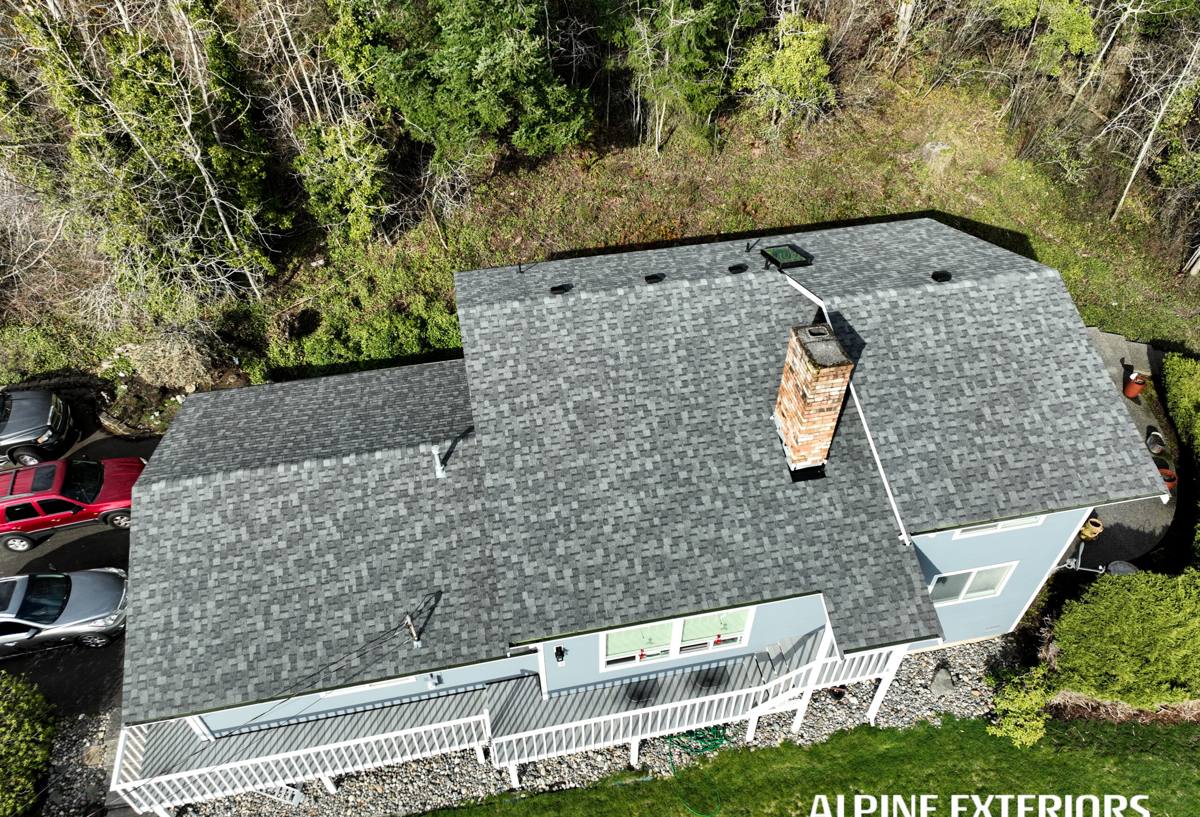
Many homes in this part of St. Petersburg have distinct rooflines — hips, dormers, porches, and pitch changes that were part of the original architecture. A correct installation respects that geometry instead of treating every roof like a simple rectangle. Flashing details around dormers and porch tie-ins take more time to do right, and it shows in how the finished roof looks and how well it sheds water.
What a Correct New Roof Installation Involves
A proper installation isn't just laying new shingles or panels over the old roofline. For this climate, it means:
- Full tear-off so decking can be inspected and repaired, not covered up.
- Wind-rated fastening patterns that meet Florida Building Code requirements for our coastal wind zone — this affects nail count, nail placement, and starter course installation, not just the shingle brand.
- Enhanced underlayment — a synthetic or self-adhering underlayment that gives a second line of defense against wind-driven rain if the outer roofing is ever compromised.
- Sealed valleys and penetrations where the majority of leaks actually start, especially under tree canopy where debris collects.
- Corrosion-resistant flashing and fasteners suited to salt-air exposure, not generic hardware that will rust prematurely this close to the bay.
- Balanced attic ventilation so the new roof deck isn't cooking under Florida sun and trapping moisture underneath.
Skip any one of these steps and the roof might still look fine from the street for a few years — but it won't perform the way it's supposed to when a real storm tests it.
Comparing Roofing Options for This Neighborhood
There's no single "best" material for every Old Northeast home — it depends on the roof's pitch, the home's style, budget, and how long you plan to stay in the house. Here's an honest look at the common options:
| Material | Typical Lifespan | Wind/Storm Performance | Best Fit |
|---|---|---|---|
| Architectural asphalt shingle | 20–30 years | Good, when installed with proper wind-rated fastening | Most home styles; best value for straightforward budgets |
| Standing seam metal | 40–50+ years | Excellent; performs well against high wind and wind-driven rain | Homeowners planning to stay long-term or wanting minimal future maintenance |
| Concrete or clay tile | 40–50+ years | Strong when properly fastened; heavier system, needs adequate structural support | Mediterranean or Spanish-style architecture common in older St. Pete neighborhoods |
Cost follows the same order — asphalt is the most affordable up front, metal and tile cost more initially but spread that cost over a much longer service life. We'll walk through the honest trade-offs for your specific roof rather than pushing one system for everyone.
Cost Factors Worth Knowing
- Decking repair or replacement — more common on older homes and usually the biggest variable cost.
- Roof complexity — hips, dormers, and multiple pitch changes take more labor than a simple gable roof.
- Access and tree canopy — mature trees can affect equipment staging and debris removal.
- Material choice — see the comparison above.
- Permitting — required for any full roof replacement in St. Petersburg and Pinellas County.
Our Process, Start to Finish
We keep the process straightforward because a roof replacement is disruptive enough without added confusion:
- On-site inspection — we look at the current roof, attic ventilation, and decking condition, and take real measurements rather than estimating from the street.
- Written proposal — clear scope, material options, and pricing, so you know what you're comparing if you're getting more than one quote.
- Permitting — we pull the required permit through the City of St. Petersburg or Pinellas County, whichever applies to your address.
- Tear-off and decking inspection — done the same day where possible to minimize the roof being open to weather.
- Installation — underlayment, flashing, and roofing material installed to code-compliant wind-rated specs.
- Cleanup and final walkthrough — magnetic nail sweep of the yard, debris hauled off, and a walkthrough so you can see the finished work before we consider the job done.
- Final inspection — coordinated with the local building department to close out the permit.
Why It Matters to Hire a Crew That Already Works in Old Northeast
A roofing crew that regularly works in this neighborhood has already dealt with the things that catch outside contractors off guard — older decking that needs more careful inspection, roof geometries with real architectural character, permitting through St. Petersburg's process, and job sites with mature trees limiting equipment access. That experience shows up in fewer surprises mid-project and a finished roof that actually fits the house.
It also matters for something less obvious: accountability. A contractor with an established presence in St. Petersburg and Pinellas County is going to be here next hurricane season if you need a warranty inspection or storm-related repair. That's worth more than a slightly lower bid from a crew passing through.
A Simple Checklist Before You Hire
- Are they licensed to do roofing work in Florida, and can they provide proof?
- Do they carry general liability and workers' compensation insurance?
- Will they pull the required permit themselves, in their name?
- Does the proposal specify fastening pattern and underlayment type, not just "new roof"?
- Do they have a physical presence or verifiable track record in the St. Petersburg / Pinellas County area?
- Is the manufacturer warranty tied to a certified installer, and is that certification current?
If a contractor can't answer these plainly, that's worth noting before you sign anything.
Get a Straight Answer About Your Roof
If your Old Northeast home's roof is aging, showing granule loss, or you're just trying to plan ahead of the next storm season, we're happy to take a look and give you a clear, no-pressure assessment of where it stands. Use the form below to request a free estimate, and we'll walk the roof with you and explain exactly what we find.