 St. Petersburg
 Kenneth City Roofs Face a Different Kind of Wear
Kenneth City sits inland of the barrier islands but still gets the full effect of Pinellas County's climate — the same salt-laden air drifting in from Tampa Bay and the Gulf, the same intense year-round UV load, and the same exposure to tropical storm and hurricane winds that every roof in this part of Florida has to withstand. A roof here isn't just shedding rain. It's absorbing sun for ten or more hours a day, flexing under wind gusts several times a year, and slowly corroding at every exposed metal fastener and flashing point.
Many homes in this community were built decades ago, when roofing materials, underlayment standards, and wind-resistance requirements were nowhere near what today's Florida Building Code demands. If your roof is original or close to it, a new roof installation isn't just about stopping leaks — it's about bringing the whole system up to a standard that can actually handle what St. Petersburg-area weather throws at it year after year.
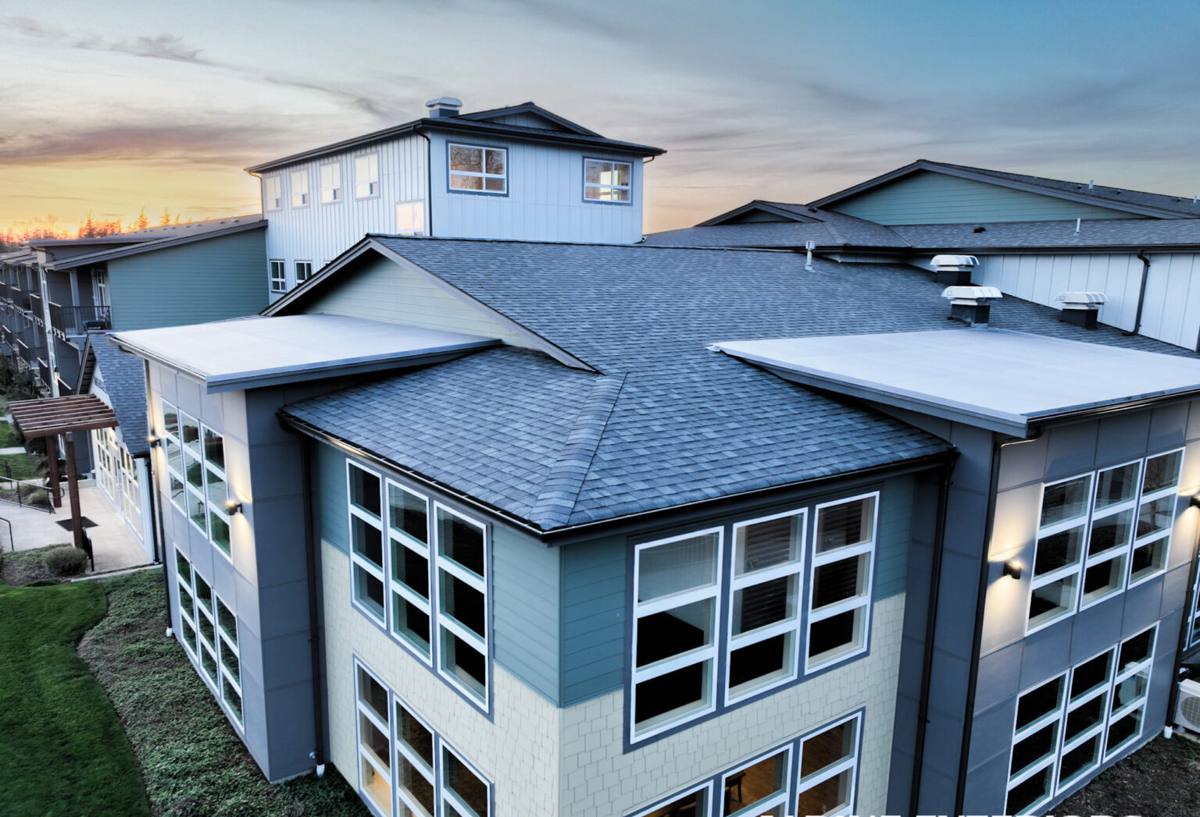
Signs a Repair Won't Cut It Anymore
We get called out to plenty of roofs that homeowners hope can be patched one more time. Sometimes that's the right call. Other times, the roof is past the point where a repair is anything more than a short delay. Common signs we look for on Kenneth City homes include:
- Shingles that are cupping, cracking, or losing granules in large patches rather than isolated spots
- Multiple past repairs in different areas, suggesting the underlayment underneath is failing broadly
- Soft spots or sagging in the roof deck when walked
- Daylight visible through the attic at the roof boards, or consistent staining on ceiling drywall
- A roof older than 18-20 years for asphalt shingle, or showing granular wear well before that age due to sun exposure
- Rusted or lifting flashing around chimneys, vents, and roof-to-wall transitions
If two or three of these show up at once, the roof is usually telling you it's done protecting the house the way it should. Waiting past that point tends to mean interior damage, not just a bigger roofing bill.
What a Correct New Roof Installation Actually Involves
A new roof is more than stripping old shingles and nailing down new ones. In a coastal Florida market like Pinellas County, the parts you don't see matter as much as the parts you do.
Tear-Off and Deck Inspection
We remove the existing roofing material down to the deck and inspect every sheet of plywood or OSB underneath. Wood that's soft, delaminated, or water-stained gets replaced before anything new goes down — installing new roofing over a compromised deck just hides a problem instead of fixing it.
Underlayment and Water Barrier
A synthetic or self-adhering underlayment goes down next, with extra attention at valleys, eaves, and any low-slope transitions where wind-driven rain tends to find its way in. This layer is the roof's last line of defense if wind ever lifts a shingle edge during a storm.
Flashing and Penetrations
Every chimney, vent pipe, skylight curb, and wall transition gets new flashing, not a reuse of old, corroded metal. Salt air accelerates rust on fasteners and flashing faster than most homeowners expect, so this is not an area to cut corners.
Fastening to Code
Florida Building Code sets nailing patterns and fastener requirements based on the wind speed zone for the property's location. Pinellas County properties fall in a wind-borne debris region, which means the roofing system has to be installed and documented to a specific wind-uplift standard — not just "nailed down well."
Ventilation
Proper intake and exhaust ventilation keeps attic temperatures and moisture in check, which extends shingle life and helps prevent deck rot. A new roof is the right time to correct ventilation that was undersized or blocked on the original build.
Choosing a Roofing Material for a Kenneth City Home
There's no single "best" roofing material — the right choice depends on budget, the home's structure, and how long you plan to stay in it. Here's how the common options compare for this climate:
| Material | Typical Lifespan | Wind Performance | Sun/Heat Behavior | Relative Cost |
|---|---|---|---|---|
| Architectural asphalt shingle | 20-30 years | Good, when installed to current code with proper nailing | Granule loss over time from UV; lighter colors reflect more heat | Lowest upfront |
| Standing seam metal | 40-50+ years | Excellent when properly fastened; sheds wind-driven rain well | Reflects heat effectively, especially light finishes | Higher upfront |
| Concrete or clay tile | 40-50+ years | Strong if fasteners and underlayment are done correctly; individual tiles can crack from impact | Handles UV and heat very well | Highest upfront |
Whatever material a homeowner chooses, our position is the same: the underlayment, flashing, and fastening details matter more to long-term performance than the shingle or tile brand printed on the wrapper. A premium material installed with shortcuts underneath will underperform a mid-range material installed correctly.
Our New Roof Installation Process
- On-site inspection — we get on the roof and in the attic, not just a look from the driveway, to assess deck condition, ventilation, and current flashing.
- Written estimate — a clear scope of work and material options, with pricing broken out so you know what you're paying for.
- Permitting — we pull the required Pinellas County or applicable local permit before work starts. This isn't optional paperwork; it's what protects you if there's ever a dispute with an insurer down the road.
- Tear-off and deck repair — old material removed, deck inspected board by board, damaged sections replaced.
- Underlayment, flashing, and installation — installed to current Florida Building Code wind and fastening requirements for this area.
- Final inspection and cleanup — magnetic sweep for stray fasteners, full site cleanup, and the local building department's final inspection sign-off.
Permits, Wind Mitigation, and Insurance
Every new roof installation in this area requires a permit, and the finished work has to be signed off by a building inspector before the job is considered complete. Skipping this step — or hiring someone who does — leaves you exposed if you ever need to file an insurance claim or sell the home.
A new roof installed to current code is also the trigger for an updated wind mitigation inspection, which can lower your homeowner's insurance premium. Florida insurers price policies partly based on roof age, material, and documented wind-resistance features, so a properly permitted new roof often pays part of itself back over time through lower premiums. We can't quote what your specific savings will be — that's between you and your insurer — but we do provide the documentation a wind mitigation inspector needs to see.
Why It Matters That We Already Work in Kenneth City
Roofing crews that only pass through an area occasionally tend to treat every job the same way, regardless of what the local building department expects or what the local climate actually does to a roof over time. Working regularly in and around St. Petersburg and Pinellas County means we already know:
- The permitting process and inspection expectations for this jurisdiction
- How salt air affects fastener and flashing choices differently than an inland market
- Which roof details tend to fail first on homes of this area's typical age and construction
- How to schedule around Florida's rainy season and storm watches without leaving a roof exposed mid-project
That familiarity shows up in fewer surprises during the job and a roof that's actually built for the conditions it has to survive, not a generic installation dropped into a hurricane-prone coastal county.
Keeping a New Roof Performing After Installation
A correctly installed roof still needs basic upkeep to hit its full lifespan in this climate. We recommend homeowners keep a simple routine:
- Walk the yard after any significant storm and look up for missing, lifted, or displaced shingles or tiles
- Keep gutters and downspouts clear so water isn't backing up under the roof edge
- Trim back overhanging branches that scrape roofing material or drop debris into valleys
- Check the attic once or twice a year for staining, moisture, or daylight at the decking
- Have flashing and sealant points looked at every few years, since salt air corrodes exposed metal faster than an inland climate would
- Schedule a professional inspection after any named storm that produced sustained high winds
None of this replaces a professional inspection, but it catches the early warning signs before they turn into interior damage.
If your Kenneth City roof is aging, storm-damaged, or just due for an honest evaluation, we're happy to take a look and walk you through what we find — no pressure, no obligation. Fill out the form below to request a free estimate.