 St. Petersburg
 Window Replacement Built for Seminole's Weather, Not Just Its Look
Seminole sits inland from the Gulf beaches but still gets the full weather package that the rest of Pinellas County deals with: long stretches of intense sun, salt-laden air pushed in off the water, heavy wind-driven rain during summer storms, and the real risk of hurricane-force wind loads during storm season. Windows in this part of Florida do more structural and protective work than windows almost anywhere else in the country. A window that's simply "new" isn't the goal — a window that's rated, sealed, and installed correctly for this climate is.
This page covers window replacement specifically for homes in Seminole: what the local climate does to windows over time, what a correct replacement job actually involves, how we run the project from first visit to final walk-through, and why it matters that the crew doing the work already has experience in this area.
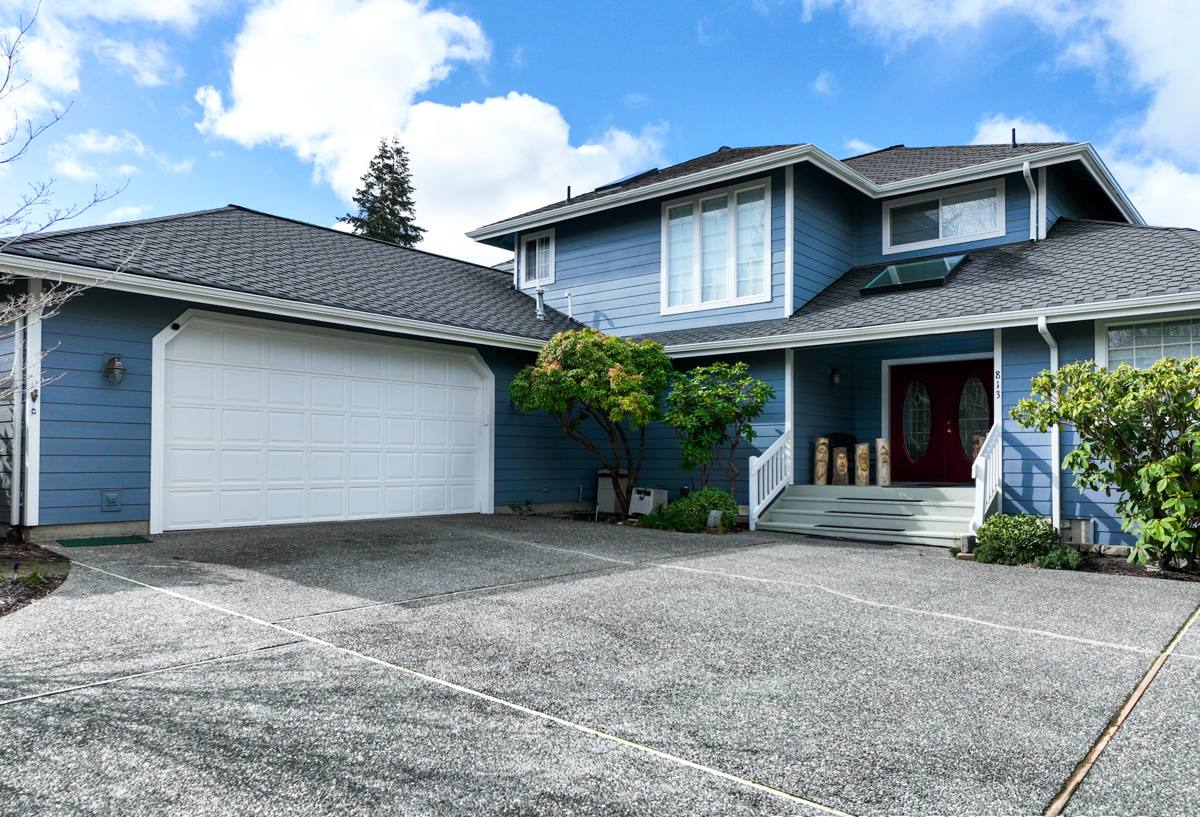
What Pinellas County's Climate Does to a Window Over Time
Every window on a Seminole home is absorbing years of stress before a homeowner ever notices a problem. Understanding what's actually happening helps explain why some windows fail early and others hold up.
UV Exposure
Florida's sun is intense and consistent almost year-round. UV breaks down vinyl frames, fades and clouds certain glass coatings, and dries out the seals and gaskets that keep a window airtight and watertight. A window frame that looks fine from the street can already have brittle, cracked weatherstripping underneath.
Salt Air
Even homes that aren't right on the water get salt carried inland by Gulf breezes. Salt is corrosive to metal hardware — hinges, locks, balance mechanisms, and screws — and it accelerates the breakdown of lower-grade aluminum and finishes. Over years, this shows up as stiff or failing hardware and pitting on unprotected metal parts.
Wind-Driven Rain
Florida storms rarely deliver rain straight down. Wind pushes rain sideways and upward, forcing water into gaps that a window in a calmer climate would never have to deal with. This is why flashing and sealant detail matters as much as the window unit itself — a great window installed with sloppy waterproofing will still leak.
Hurricane Wind Loads
During named storms, windows face sustained wind pressure and the risk of wind-borne debris impact. An older window, or one installed without the right rating for this region, is a weak point in the building envelope — not just a risk of breaking, but a risk of losing the seal that keeps wind and water out of the whole house.
Signs a Seminole Home Is Ready for Replacement Windows
Homeowners often live with failing windows for years because the signs show up gradually. Here's what we look for during an assessment, and what you can check yourself:
- Condensation or fogging between panes of double-glazed windows (a sign the seal has failed)
- Windows that are difficult to open, close, or lock, or that rattle in the frame
- Visible daylight, drafts, or a whistling sound around the frame during windy weather
- Soft wood, staining, or bubbling paint on the interior wall or sill below the window
- A noticeable jump in cooling costs with no other explanation
- Frames that are chalky, warped, or have visible corrosion on hardware
- Single-pane or non-impact-rated windows in a home that hasn't been updated since before current code requirements
Any one of these can usually be repaired. Several at once, especially on a home with older original windows, usually points to full replacement being the more cost-effective long-term move.
What a Correct Window Replacement Actually Involves
A window replacement in Seminole isn't just swapping an old unit for a new one that fits the same hole. Doing it right involves several things happening in the right order.
Permitting and Code Compliance
Window replacements in Pinellas County require a permit and inspection. That's not paperwork for its own sake — it's the mechanism that confirms the products used carry the correct wind-load and impact rating for this region, per Florida Building Code, and that the installation was actually inspected rather than just installed and left. Any contractor offering to "skip the permit to save time" is asking you to skip the one step that verifies the work was done right.
Flashing and Waterproofing
Before a new window ever goes in, the rough opening needs to be prepped correctly — flashing tape, sill pans where appropriate, and sealant placed so that any water that does get past the window sheds back out rather than getting trapped in the wall. This detail work is invisible once the job is finished, but it's the difference between a window that stays dry for twenty years and one that causes a hidden leak in five.
Fastening and Anchoring
The window has to be anchored into structurally sound framing with fasteners rated for the wind load the product is designed to handle. A window can carry the right rating on paper and still fail in a storm if it wasn't anchored to spec.
Final Sealing and Finish
Interior and exterior sealant, trim, and finish work close out the job — done cleanly, this is also where a crew catches anything that needs a second look before final inspection.
Choosing the Right Window for a Seminole Home
There isn't one "correct" window for every home — the right choice depends on the home's exposure, budget, and how much the homeowner wants to rely on separate storm protection like shutters or panels. Here's how the common options compare for this area:
| Option | Wind/Impact Protection | Maintenance | Best Fit |
|---|---|---|---|
| Impact-rated windows (laminated glass) | Built into the window itself — no separate shutters needed | Low; no storm-prep labor | Homes wanting permanent protection without extra steps before a storm |
| Standard windows + accordion or panel shutters | Protection only when shutters are deployed | Moderate; shutters need to be put up and taken down | Budget-conscious projects where shutters are already in place or planned |
| Vinyl frames | Depends on glass package, not the frame | Low; won't corrode, but can weather in intense UV over many years | Most residential replacements; good cost-to-performance balance |
| Aluminum frames | Depends on glass package, not the frame | Higher; hardware and finish are more exposed to salt air corrosion | Homes wanting slimmer sightlines or matching existing aluminum-frame construction |
We install products carrying current Florida product approval for this wind zone — that approval number is on the label and it's worth asking to see it, whoever you hire. We steer away from lower-grade hardware and thin aluminum finishes not because a single product is bad, but because the maintenance burden and corrosion risk in this climate make them a poor trade-off for most homeowners over a 15-to-20-year window.
Our Window Replacement Process
- On-site assessment — we look at existing windows, framing condition, and exposure (sun direction, wind side of the house) before recommending anything.
- Product selection — we walk through frame material, glass package, and impact vs. shutter-based protection based on your priorities and budget.
- Measurement and ordering — precise measurements are taken for each opening; lead times vary by product, and we'll give you an honest timeline up front.
- Permitting — we pull the required Pinellas County permit before installation begins.
- Installation — old windows are removed, openings are inspected and prepped, and new units are flashed, anchored, and sealed to spec.
- Inspection — the completed work is signed off through the permit inspection process.
- Walk-through and cleanup — we review the finished windows with you, confirm proper operation, and leave the site clean.
What Drives the Cost of a Window Replacement Project
Costs vary project to project, but the main factors are consistent. Understanding them helps you compare quotes on an apples-to-apples basis rather than just looking at a bottom-line number.
| Factor | Why It Matters |
|---|---|
| Number and size of openings | Larger and more numerous windows mean more material and labor |
| Impact-rated vs. standard glass | Laminated impact glass costs more up front but removes the need for separate storm shutters |
| Frame material | Vinyl, aluminum, and fiberglass carry different price points and long-term maintenance costs |
| Condition of the existing opening | Rotted framing or old, non-standard openings can require extra prep work |
| Home's height and access | Second-story or hard-to-access windows take more labor time |
| Permit and inspection requirements | A legitimate quote includes permitting costs — a quote that doesn't may be cutting a corner |
A quote that's dramatically lower than others is worth a second look — it's often missing the permit, using a lower wind-rated product than the home actually needs, or leaving out prep work that shows up later as a callback.
Why a Crew That Already Works in Seminole Matters
Window replacement done right depends on details that are specific to this area, and a crew that already works here has usually already worked through them:
- Permitting familiarity — knowing what Pinellas County's permitting process expects avoids delays that catch out-of-area crews off guard.
- Wind zone knowledge — knowing which product ratings actually apply to this part of the county, rather than guessing or over- or under-speccing.
- HOA awareness — some Seminole neighborhoods have HOA rules on window appearance or color; a local crew knows to check before ordering.
- Realistic lead times — knowing which impact-rated products are reliably in stock versus which will add months to a project, so you get an honest timeline instead of a surprise.
- Storm-season judgment — knowing how to sequence a project so a home isn't left with open, unprotected window bays heading into an active weather window.
None of this shows up in a sales pitch, but it shows up in whether the project goes smoothly and whether the finished work actually holds up through a Gulf Coast summer and storm season.
Living With Your New Windows
New windows in this climate still benefit from a little attention. Rinsing accumulated salt residue off frames and tracks periodically, keeping weep holes clear of debris so water can drain out, and having hardware checked every year or two keeps a well-installed window performing the way it's supposed to for its full service life. None of this is heavy maintenance — it's the same kind of upkeep as anything else exposed to Gulf Coast air, and it's far less than what an aging, failing window demands in the form of drafts, leaks, and rising energy bills.
If your windows are showing their age, or you're planning ahead for storm season, we're happy to take a look and give you a straightforward, no-pressure assessment of what your Seminole home actually needs. Use the form below to request a free estimate.