 St. Petersburg
 Old Northeast's Older Homes Put Different Demands on Window Installation
Old Northeast is one of St. Petersburg's older, tree-canopied neighborhoods close to downtown, built out mostly in the early-to-mid 1900s with bungalows, Mediterranean Revival homes, and other period architecture. Much of the neighborhood sits within a designated historic district, which means the housing stock here is older than what you'll find in most of Pinellas County — and older homes come with window openings that don't match anything on a big-box shelf.
Original windows in homes this age were usually single-pane wood, set into openings that have shifted slightly over a century of settling, humidity cycling, and prior repairs. That's not a knock on the homes — it's just the reality of installing new windows into old framing. A crew that treats an Old Northeast window job like a standard suburban tract-home swap is going to run into surprises: out-of-square openings, hidden wood rot behind old trim, non-standard sizes, and, in some cases, historic district guidelines about what a window can look like from the street.
Getting this right isn't about the window unit itself so much as it is about how that unit gets prepped for, set, and sealed into an opening that has its own history.
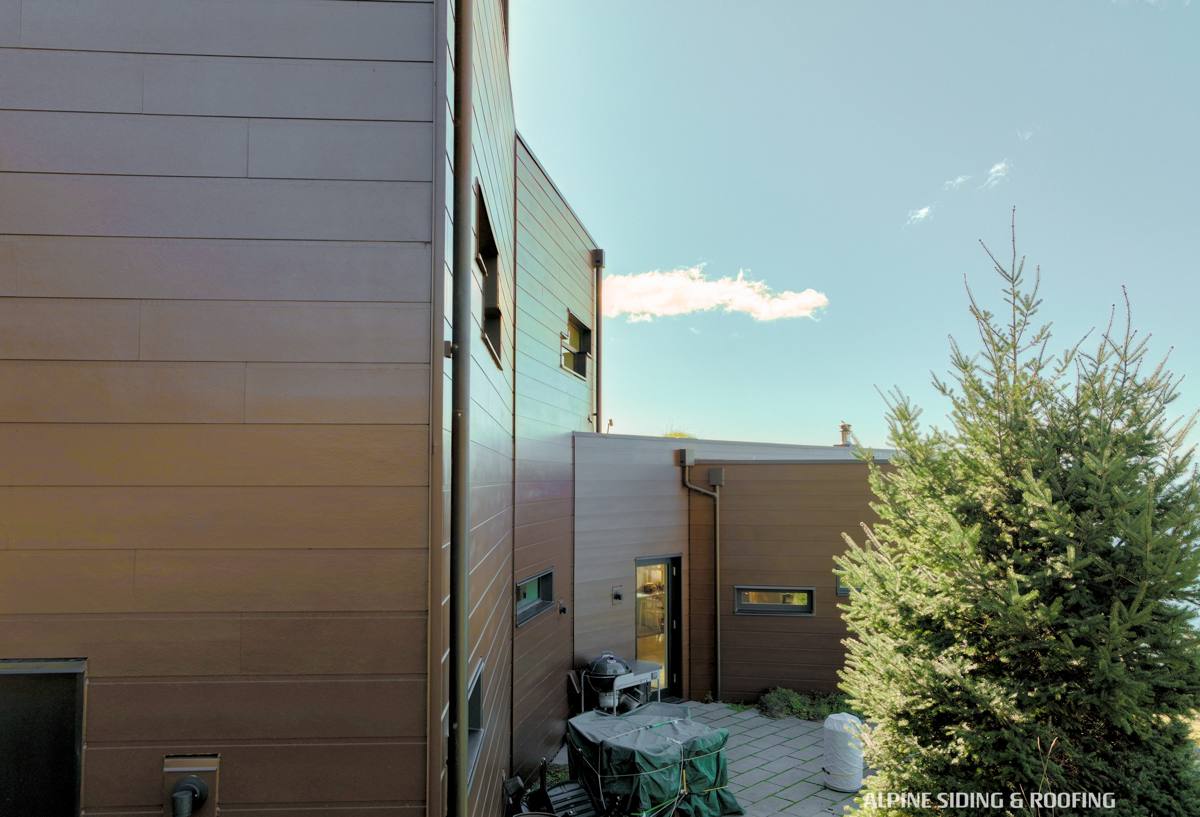
What the St. Petersburg Climate Does to Windows Over Time
Pinellas County sits on a peninsula, and that proximity to the water shapes everything about how exterior components age here. Windows take the brunt of it in a few specific ways:
- Hurricane-force winds stress the connection between the window frame and the wall opening. A weak fastening pattern or missing structural anchors is invisible on a calm day and a real liability during a storm.
- Wind-driven rain doesn't just fall — it gets pushed sideways and upward under sills and around frames that aren't flashed correctly, leading to slow leaks that rot framing from the inside long before anyone sees a stain.
- Intense, year-round UV breaks down seals, gaskets, and low-quality vinyl over time, and fades interior finishes near unprotected glass.
- Salt air, even several miles inland, accelerates corrosion on hardware, screws, and cheaper metal components — locks and cranks that seize up or pit years ahead of schedule.
None of these forces act alone. A window that's marginally under-flashed might hold up fine for a couple of dry years, then fail during the next wind-driven rain event that catches it from the wrong angle. Building for St. Petersburg's climate means assuming all of these stresses will show up eventually, not hoping they won't.
What Correct Window Installation Actually Involves
A window installation is only as good as the parts nobody sees once the trim goes back on. The unit itself matters, but most failures we get called out to fix trace back to installation shortcuts, not product defects.
Opening Prep and Flashing
Before a new window goes in, the opening needs to be inspected for rot, checked for square, and properly flashed — a drainage plane that directs any water that gets past the window back outside instead of into the wall cavity. On an older home, this step often uncovers wood that needs to be repaired or sistered before the new window can be set correctly. Skipping this step to save time is the single most common cause of hidden water damage in older homes.
Fastening and Structural Attachment
Windows in this part of Florida need to be attached according to their tested wind-load rating, using the fastener type, spacing, and embedment specified by the manufacturer and required by code — not just enough screws to hold the unit in place while the caulk dries. This is what actually keeps a window in the wall during high winds.
Sealing and Weatherproofing
Proper sealing means backer rod and sealant sized correctly for the gap, insulation in the space between the frame and the rough opening, and a sill pan or equivalent detail that sheds water. A bead of caulk around the outside trim is not weatherproofing — it's cosmetic, and it's usually the first thing to fail.
Matching Historic Character While Upgrading Performance
One of the more common concerns we hear from Old Northeast homeowners is not wanting their house to look like a chain-store retrofit. The good news is that performance and appearance aren't in conflict — you just need to know which materials and configurations actually hold their look.
| Frame Material | Fit for Historic Look | Maintenance Over Time | General Cost Position |
|---|---|---|---|
| Wood or wood-clad | Closest match to original sightlines and profiles | Highest — needs periodic painting/sealing, more sensitive to humidity and salt air | Higher |
| Aluminum-clad wood | Very good — wood interior, low-maintenance exterior | Low exterior maintenance, interior still needs occasional attention | Higher |
| Vinyl (quality-graded) | Acceptable in many configurations, less true to original thin sightlines | Low — but lower-grade vinyl can chalk or warp under constant UV | Lower to mid |
| Fiberglass | Good — holds paint and thin profiles well | Low, resists warping and doesn't corrode | Mid to higher |
We don't push one material as a blanket answer. The right call depends on the specific elevation, whether it's visible from the street, your maintenance appetite, and — if the home falls within a historic overlay — what guidelines may apply to that particular house. We'll walk through the honest trade-offs of each option before you commit to one.
Permits, Wind-Load Rules, and Historic District Review
St. Petersburg sits in a wind-borne debris region, which means replacement windows generally need to meet impact or opening-protection requirements under Florida's building code, and the work typically requires a permit through the local building department. That's true across most of Pinellas County, not unique to this neighborhood — but Old Northeast adds a second layer: homes within the historic district may have additional review for changes visible from the street, including window style, material, and grid pattern.
Neither of these requirements should be treated as red tape to route around. Permits exist because they verify the installation was actually done to code — including the wind-load anchoring discussed above — and historic review exists to protect the character that makes this neighborhood what it is. A contractor who's unfamiliar with either process will either guess, skip it, or hand you a headache down the line when you go to sell the house and a permit doesn't show up in county records.
Our Installation Process, Step by Step
- On-site assessment. We inspect existing openings, check for hidden rot or settling, measure accurately, and talk through what's visible from the street versus what isn't.
- Product selection. We help you weigh material, glass package, and grid style against both your budget and, where relevant, the home's historic character.
- Permitting. We handle the permit application and any historic review documentation the job requires before work begins.
- Careful removal. Old windows and any surrounding trim come out without unnecessary damage to original woodwork you want to keep.
- Opening repair. Any rot, out-of-square framing, or deteriorated sheathing gets addressed before a new unit ever goes in.
- Flashing and setting. The opening is flashed, the window is set level and square, and it's fastened to the wind-load spec for the product and code.
- Sealing and insulating. Gaps get insulated and sealed correctly, not just caulked over.
- Trim and finish. Interior and exterior trim is finished to match the surrounding woodwork and the home's existing look.
- Final walkthrough. We check operation, look for any daylight or air gaps, and confirm everything is ready for inspection.
Signs Your Current Windows Are Already Failing
Window failure is usually gradual, which is why a lot of homeowners live with a problem for years before addressing it. Worth checking for:
- Fogging or a milky haze between panes of double-glazed windows — a sign the seal has failed
- Visible daylight or a draft around the frame when the window is closed
- Wood that feels soft, spongy, or shows paint bubbling near the sill or frame
- Windows that are difficult to open, close, or lock, or hardware that's corroded or seized
- A noticeable rise in cooling costs without another clear explanation
- Condensation forming on the inside of the glass on cool mornings
- Street noise that seems louder than it used to be through a closed window
Any one of these on its own might not mean much. Several of them together usually mean the window's weatherproofing has broken down, even if the frame still looks fine from a distance.
Why Hiring a Crew That Already Works in Old Northeast Matters
Windows in a neighborhood like this aren't a one-size-fits-all product install. A crew that regularly works in Old Northeast already knows the common opening quirks in homes from this era, has a working relationship with the local permitting and historic review process, and isn't guessing at what documentation a project will need. That familiarity shows up in fewer surprises mid-job, fewer return trips for inspection corrections, and a finished result that respects the way the house was actually built rather than forcing it into a generic template.
It also matters for the climate side of the equation. A crew that's installed windows across St. Petersburg and the surrounding Pinellas County coastline has seen firsthand what wind-driven rain, salt air, and storm-force gusts do to a poorly sealed or under-anchored window — and builds every install assuming those conditions are coming, not hoping they won't.
If you're weighing a window project on an Old Northeast home, we're happy to take a look, walk the property, and give you a straight assessment of what your current windows need and what your options actually cost — no pressure, no pushy upsell. Reach out for a free estimate using the form below.