 St. Petersburg
 Asphalt Shingle Roofing for Disston Heights Homes
Disston Heights is one of St. Petersburg's established, tree-lined neighborhoods, and a lot of the roofs here have been through more than a few Florida summers. Asphalt shingle roofing remains the most practical choice for most homes in this part of Pinellas County — it's affordable relative to metal or tile, it performs well when installed correctly, and it's easy to repair or partially replace when storm damage hits a section rather than the whole roof. But "asphalt shingles" covers a wide range of products and installation quality, and in a climate like ours, the difference between a roof that lasts and one that fails early almost always comes down to the details of how it was put on.
This page covers what Disston Heights homeowners specifically need to know about asphalt shingle roofing: what the local climate does to a roof over time, what a correct installation actually involves, and why working with a crew that already knows this neighborhood makes a real difference.
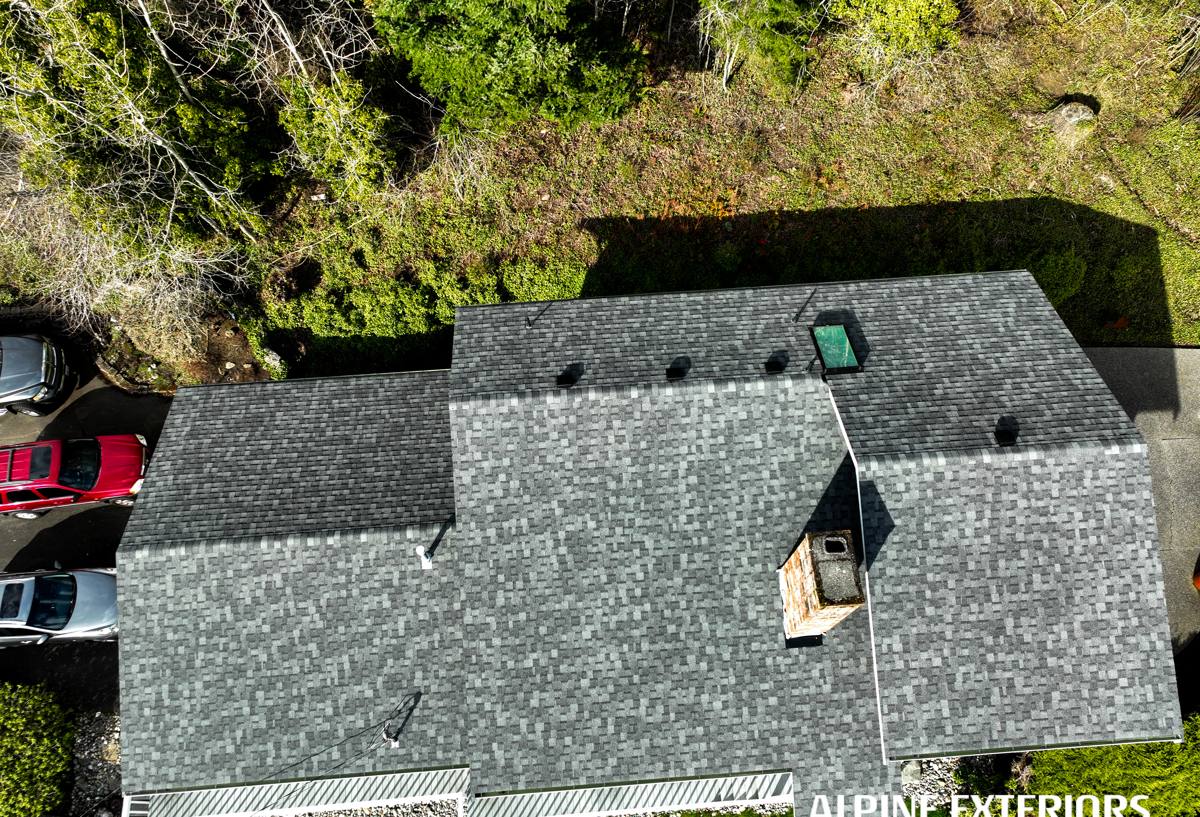
What St. Petersburg's Climate Does to a Shingle Roof
Every roofing material in Pinellas County has to survive the same basic gauntlet, and it's worth understanding each piece of it before you pick a shingle or a contractor.
Hurricane-Force Wind
Wind is what tears shingles off a roof, and it doesn't need a named storm to do it — a strong summer squall line can lift poorly-fastened shingles just as easily as a tropical system. Once wind gets under the edge of one shingle, it peels the next one, and the next. The nailing pattern, the number of fasteners per shingle, and how well the starter course and edges are secured matter more than the shingle brand.
Intense, Year-Round UV
St. Petersburg doesn't get a real winter break from sun exposure. UV breaks down the asphalt binders in shingles over time, drying them out and making them brittle. A shingle rated for 25-30 years in a milder climate often won't reach that number here — granule loss and UV degradation show up earlier on Florida roofs than on roofs up north.
Wind-Driven Rain
Florida storms rarely fall straight down. Wind pushes rain sideways and up under shingle edges, into vents, and along flashing. A roof can shed a straight downpour fine and still leak during a wind-driven one if the underlayment, flashing, and shingle overlap aren't done right.
Salt Air
Disston Heights sits inland enough that salt exposure is less aggressive than it is right on the beach, but St. Petersburg is still a coastal city, and airborne salt travels. Salt accelerates corrosion on exposed metal — nail heads, flashing, vent housings, and gutter hardware — which is why fastener and flashing material choice matters as much as the shingle itself.
Signs Your Disston Heights Roof May Need Attention
Because a lot of the housing stock in this neighborhood is older, roofs here are often past or approaching the point where minor issues turn into real ones. Worth checking for:
- Shingles that look curled, cupped, or are missing granules in patches
- Bald or shiny spots where the protective granule layer has worn through
- Soft spots or sagging when you walk the attic or look at the roofline from the street
- Dark streaks or persistent algae/moss growth on north-facing slopes
- Granules collecting in gutters or at downspout outlets after rain
- Daylight visible through the roof deck from inside the attic
- Rising attic temperatures or humidity, which often points to failing ventilation
- Water stains on interior ceilings, especially near valleys, chimneys, or vent penetrations
Any one of these on its own might be minor. Several together, or a roof that's already 15-20+ years old, usually means it's time for a real inspection rather than another patch.
What a Correct Asphalt Shingle Roof Job Actually Involves
The shingle brand printed on the wrapper is the least important variable in how long a roof lasts. What actually determines lifespan is what happens underneath and around it.
Tear-Off and Deck Inspection
A full tear-off exposes the roof deck so it can actually be inspected — soft, delaminated, or water-damaged plywood needs to be replaced before anything new goes down. Roofing over a compromised deck is one of the most common shortcuts that leads to early failure, and it's invisible once the new shingles are on.
Underlayment
This is the roof's real waterproofing layer, and in a wind-driven-rain climate it's not optional or interchangeable. A synthetic or self-adhering underlayment, properly lapped and sealed around penetrations, is what keeps a roof dry when wind pushes rain up under the shingle edges.
Drip Edge and Starter Course
Metal drip edge at the eaves and rakes, paired with a properly adhered starter strip, is what keeps the first row of shingles from being the first thing wind gets under. This detail gets skipped or done poorly more often than homeowners realize.
Flashing
Every place the roof plane is interrupted — chimneys, walls, skylights, plumbing vents, valleys — needs correctly formed and integrated flashing, not just sealant smeared over a gap. Sealant fails; properly lapped and fastened flashing doesn't rely on caulk to stay dry.
Nailing Pattern and Fastener Count
Local wind conditions call for a higher fastener count per shingle than the manufacturer's bare minimum in many cases, placed exactly where the shingle is engineered to hold them — not high-nailed to save time. This single detail is one of the biggest predictors of whether a roof survives a wind event intact.
Ventilation
Intake at the soffits and exhaust at the ridge or roof vents let heat and moisture escape the attic. Without balanced ventilation, attic temperatures spike, shingles age faster from the underside, and moisture can build up and rot the deck from the inside — often before any exterior sign shows up.
Shingle Options and What Actually Affects Cost
Homeowners usually ask about price first, but the honest answer depends on several factors beyond square footage. Here's how the main shingle types compare for a home in this climate:
| Shingle Type | Typical Lifespan Here | Wind Performance | Best Fit |
|---|---|---|---|
| 3-Tab Asphalt | Shorter end of range due to UV exposure | Lower wind rating, more prone to edge lift | Budget-conscious replacements, rental properties |
| Architectural (Laminate) | Longer, more resistant to granule loss | Higher wind rating when properly fastened | Most owner-occupied Disston Heights homes |
| Impact-Rated Architectural | Comparable to standard architectural | Best wind and impact performance; may qualify for insurance credits | Homes prioritizing storm resilience and long-term insurance savings |
Beyond shingle type, the real cost drivers on most Disston Heights jobs are: how much of the deck needs replacing once it's exposed, roof complexity (valleys, dormers, penetrations add labor), the number and condition of flashing points, and whether ventilation upgrades are needed. Two homes of identical square footage can have meaningfully different quotes once these factors are accounted for — that's normal, not a red flag, as long as the contractor can explain why.
How Our Process Works
We keep the process straightforward and try not to make homeowners guess what's happening at each stage:
- On-site inspection. We look at the roof from the ground and, when safe and necessary, up close — checking shingle condition, flashing, ventilation, and any visible deck issues.
- Written estimate. You get a clear breakdown of materials, scope of work, and price — not a vague lump sum.
- Material selection. We walk through shingle options and color choices suited to your home and budget, with honest trade-offs explained rather than upsold.
- Scheduled installation. Tear-off, deck inspection and repair as needed, underlayment, flashing, shingles, and ventilation — done in sequence, not shortcuts stacked on top of each other.
- Final walkthrough. We review the finished roof with you and make sure debris and job-site cleanup is handled before we consider the job done.
Permits, Codes, and Wind Requirements
Roof replacements in the City of St. Petersburg and unincorporated Pinellas County require a building permit and an inspection process under the Florida Building Code, which sets minimum standards for underlayment, fastening, and wind resistance for coastal properties. This isn't paperwork for its own sake — it's the baseline that keeps a roof from becoming a liability in the next serious wind event, and it's also often tied to what your homeowner's insurance will recognize for wind mitigation credits. A legitimate local contractor pulls the permit, schedules the required inspections, and doesn't treat this step as optional.
Why a Crew That Already Works Disston Heights Matters
Roofing crews that regularly work this neighborhood get a practical advantage: they've seen how the homes here — many of them decades-old with original or aging decking — actually hold up over time, what tends to fail first, and what the roof structures typically look like once the old shingles come off. That's not something you can fully judge from a drive-by estimate. It also means faster response after a storm, familiarity with the local permitting process, and a crew that isn't learning the neighborhood's housing stock on your dime.
It also matters for accountability. A contractor who plans to keep working in St. Petersburg has every reason to stand behind the work rather than disappear after the check clears — reputation in a specific area is worth protecting.
Get a Free, No-Pressure Estimate
If your Disston Heights roof is showing its age, took storm damage, or you just want an honest read on how much life it has left, we're glad to take a look. The estimate is free, there's no pressure to book on the spot, and you'll get a clear explanation of what we find and what your options actually are — use the form below to get started.