 St. Petersburg
 Siding Built for a Peninsula Neighborhood
Coquina Key sits on a peninsula surrounded by water on nearly every side, which makes it one of the more exposed residential pockets in St. Petersburg. Homes here don't just deal with regular Florida weather — they deal with it amplified. Canal and bay-facing exteriors take on salt-laden air almost constantly, and there's rarely a tree line or adjacent structure to break up wind coming off the water during a squall or a tropical system. If you own a home in this neighborhood, your siding is doing more work than siding on a home a mile inland, even in the same city.
That's the lens we use when we talk to Coquina Key homeowners about siding. It's not a generic "Florida siding" conversation — it's a conversation about a specific kind of exposure, and about which products and installation details actually hold up to it.
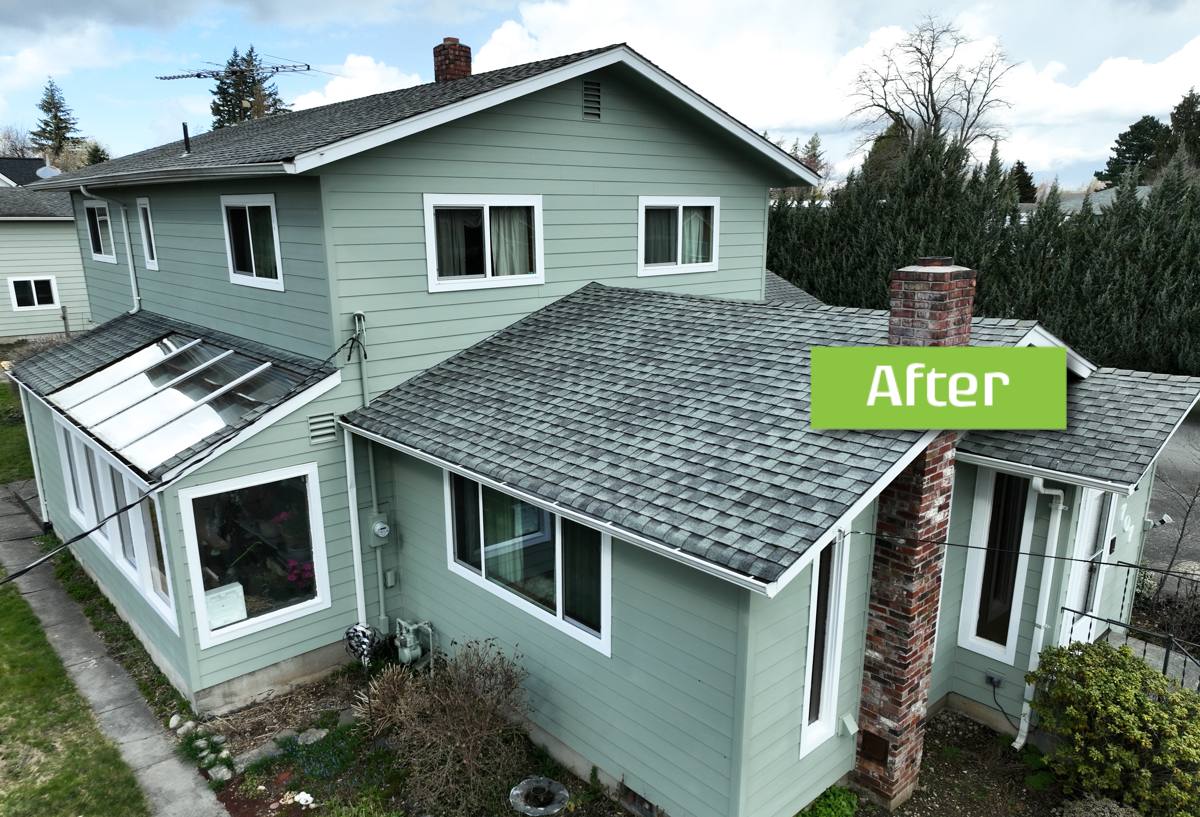
What Pinellas County Waterfront Exposure Does to Siding Over Time
A handful of stresses show up over and over on homes in this part of St. Petersburg:
- Salt air corrosion and staining — airborne salt settles on exterior surfaces and fasteners, accelerating wear on materials that aren't rated for it.
- Wind-driven rain intrusion — during storms, rain doesn't just fall, it's pushed sideways into seams, laps, and trim junctions. Poor flashing or caulking becomes a leak path fast.
- Sustained high humidity — constant moisture in the air keeps siding damp longer after rain, which is hard on materials that absorb water or swell.
- Intense, near year-round UV — sun exposure fades paint and breaks down lesser coatings well before a normal repaint cycle would call for it.
- Hurricane-force wind loading — Pinellas County sits in a wind zone where siding attachment and fastening schedule aren't optional details, they're the difference between siding that stays on the wall and siding that doesn't.
None of these factors are unique to Coquina Key. What's different here is that they're all present at a higher intensity, more consistently, because of the water exposure on multiple sides of the neighborhood.
Why We Only Install James Hardie Fiber Cement
We made the decision to install exclusively James Hardie siding — not vinyl, not LP SmartSide, not primed wood products — because of exactly the conditions Coquina Key homes face. This isn't a brand preference; it's a materials decision based on how each product category actually behaves in coastal, high-humidity, high-UV conditions.
Vinyl siding softens and can distort in extreme heat, and it isn't a great match for sustained high wind loads unless installed with real care — even then, it's a thinner, more flexible material than fiber cement. Wood-based and OSB-core siding products (like LP SmartSide) rely on engineered wood cores that are vulnerable if moisture gets past the coating, which is a real risk in a climate where the exterior stays damp for long stretches. Fiber cement doesn't share that vulnerability — it's cement, sand, and cellulose fiber, and it doesn't rot, swell, or become a target for pests the way wood-based products can.
James Hardie also factory-applies its ColorPlus finish under controlled conditions, which produces a more consistent, UV-resistant coating than field-applied paint typically achieves — a meaningful advantage in a location that gets intense sun nearly every day of the year.
HZ5 — The Product Line Built for This Exact Climate
James Hardie engineers its siding by climate zone, and Pinellas County falls into the HZ5 zone — the company's product line built specifically for humid, high-moisture, storm-prone regions like the Gulf Coast. HZ5 products are formulated to resist moisture-related damage and hold up in exactly the conditions Coquina Key deals with. Installing a non-HZ5 product, or a mismatched product line from a crew that doesn't pay attention to this detail, is one of the more common ways a siding job underperforms in this area even when the material itself is technically James Hardie.
What Correct Installation Looks Like on a Waterfront Home
Fiber cement siding is only as good as the installation behind it. On an exposed property like a Coquina Key waterfront or canal-front home, a few details matter more than they would on a typical inland install:
| Installation Detail | Why It Matters Here |
|---|---|
| Fastening schedule and fastener type | Correct nail/screw spacing and corrosion-resistant fasteners are what keep siding attached through high wind events |
| Flashing at windows, doors, and trim | Wind-driven rain finds any gap — proper flashing is the primary defense against water getting behind the siding |
| Proper joint and seam sealing | Salt air and humidity accelerate failure of poor-quality or improperly applied sealant |
| Clearance from grade, decks, and hardscape | Keeping the bottom edge of siding at the right height reduces prolonged moisture contact |
| House wrap and water-resistive barrier integration | Acts as the backup layer if any moisture does get past the siding surface |
| Manufacturer-specified caulking and touch-up paint | Off-spec products at cut edges and fastener heads shorten the life of an otherwise correct install |
Every one of these is a manufacturer specification, not a judgment call — but they're only followed correctly when the crew installing them treats them as non-negotiable rather than optional steps to save time.
Our Process for a Coquina Key Siding Project
We approach every siding job in this neighborhood the same disciplined way:
- On-site assessment — we look at your home's specific exposure: which sides face open water, existing moisture or damage, current siding condition, and trim/window detailing.
- Product and color selection — HZ5 panel or plank profile, ColorPlus finish selection, and trim coordination based on your home's style and any HOA or neighborhood guidelines.
- Prep and removal — old siding removal, substrate inspection, and repair of any sheathing or framing issues found underneath before new siding goes on.
- Weather barrier and flashing installation — the water-management layer, done correctly, before a single piece of siding goes up.
- Siding installation to manufacturer spec — correct fastening, gapping, and sealing for HZ5 wind and moisture requirements.
- Final detailing and walkthrough — trim, caulking, touch-up, and a walkthrough so you understand what was done and what maintenance (if any) is expected going forward.
Why Local Experience in Coquina Key Specifically Matters
A siding crew that mainly works inland St. Petersburg or Pinellas County neighborhoods without much water exposure can still do competent work in general — but a peninsula and canal-front environment has its own patterns worth knowing ahead of time: which elevations of a home typically take the worst of the wind and salt exposure, how nearby canals and open water affect drying time after storms, and what kind of wear shows up first on homes that have gone a decade or more without attention. A crew that's done this work in the neighborhood before isn't guessing at any of that — they've already seen how it plays out on homes just like yours.
It also matters for something more practical: knowing the area means fewer surprises on quoting, scheduling, and access, and a more accurate sense of what your specific home actually needs versus a generic recommendation.
Signs Your Current Siding May Be Struggling
- Visible warping, buckling, or soft spots, especially near the bottom edge or around windows
- Persistent staining or discoloration that doesn't clean off
- Peeling or chalking paint well before a normal repaint interval
- Soft or spongy trim boards, especially around corners and window frames
- Visible gaps at seams, corners, or where siding meets trim
- Any sign of moisture, mold, or staining on interior walls that share an exterior wall
If any of these sound familiar, it's worth having someone take a look before the underlying structure is affected — catching it at the siding stage is a much smaller project than catching it after water has gotten behind the wall.
Maintenance and Warranty on a Waterfront Property
One of the practical advantages of James Hardie fiber cement in a salt-air environment is how little ongoing maintenance it asks for compared to alternatives. It doesn't need repainting on the same cycle wood-based products do, and it isn't vulnerable to the rot and pest issues that come with organic materials sitting in a humid environment. Periodic rinsing to clear salt buildup and a visual check after major storms is generally all that's needed. James Hardie also backs its products with a transferable limited warranty, which matters both for your own peace of mind and for resale value if you sell the home down the road — a real consideration in a desirable waterfront neighborhood like this one.
Let's Look at Your Home
Every home on Coquina Key faces this climate a little differently depending on which direction it faces and how exposed it is to open water. If you'd like an honest assessment of your siding's condition and what a correctly installed James Hardie system would look like on your home, we're happy to come take a look. Fill out the form below to request a free, no-pressure estimate.