 St. Petersburg
 Siding on a Peninsula: Why Pinellas Point Homes Take More Punishment
Pinellas Point sits on the southern tip of St. Petersburg, where the neighborhood is wrapped by Tampa Bay on multiple sides. That geography is part of what makes the area desirable — open water views, breezes, easy access to the bay — but it's also exactly what makes exterior siding fail faster here than it does a few miles inland. Homes on or near the water get more direct salt air, more sustained wind, and more wind-driven rain than homes tucked into the interior of Pinellas County. Siding that would hold up fine in a landlocked subdivision can start showing problems within a few years out here if it wasn't built or installed for this exposure.
We install fiber cement siding specifically for homes in this kind of environment, and Pinellas Point is one of the neighborhoods where the difference between a correct installation and a corner-cut one shows up fastest — sometimes in a single storm season.
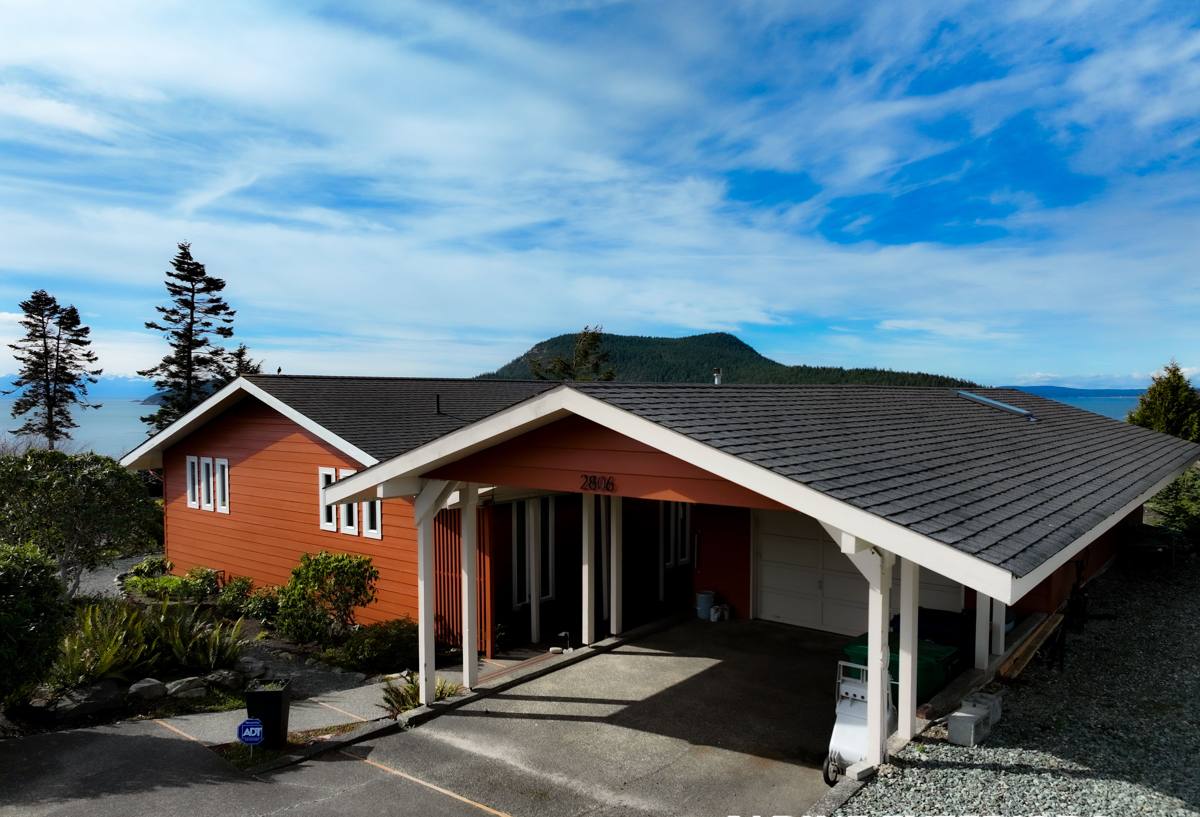
What This Climate Actually Does to Siding
It helps to be specific about the stresses at play, because "hurricane zone" gets thrown around loosely. On a waterfront peninsula like Pinellas Point, siding deals with four distinct forces, often at the same time:
- Hurricane-force and tropical-storm wind: Repeated wind-loading works panels and fasteners loose over time, and a single strong storm can turn a marginal installation into a total loss.
- Wind-driven rain: Storms here rarely rain straight down. Rain gets pushed sideways and upward under siding laps and around penetrations, which is why flashing and lap spacing matter more here than in calmer inland climates.
- Year-round, high-angle UV: Florida sun is intense nearly twelve months a year. Paint films and lower-grade siding materials chalk, fade, and break down faster under this kind of constant exposure.
- Salt air: Being close to open bay water means airborne salt settles on exterior surfaces regularly. Salt accelerates corrosion of fasteners and trim, and it degrades some coatings faster than plain UV exposure alone.
No single one of these is unusual for Florida. What's unusual about Pinellas Point is how much all four stack together because of the direct water exposure — which is why we don't treat siding jobs out here the same way we'd treat a job a few miles north in a more sheltered part of the city.
Why We Only Install James Hardie Fiber Cement
We get asked, fairly often, why we don't offer vinyl siding, LP SmartSide, or other fiber cement brands as options. The honest answer is that we made a standard for ourselves based on what actually holds up under conditions like the ones described above, and James Hardie is what met that standard.
Fiber cement as a category is non-combustible and dimensionally stable — it doesn't expand and contract with heat and humidity the way wood-based products do, which matters when a home swings between a hot, humid St. Pete afternoon and a cooler, wind-whipped evening. Within fiber cement, Hardie's HardieZone system is engineered specifically for regional climate exposure, with HZ10 formulations built for hot, humid, coastal conditions like ours — denser and more moisture-resistant than the products built for northern climates. Hardie's ColorPlus factory-applied finish is baked on under controlled conditions rather than field-painted, which gives it better UV and fade resistance than a job-site paint job, and it carries a stronger, transferable warranty structure than most alternatives on the market.
That doesn't mean other products are worthless — vinyl is inexpensive and low-maintenance in mild climates, and other fiber cement brands have their own merits. But for a peninsula neighborhood dealing with hurricane wind, salt air, and constant UV, we don't think the trade-offs are worth it, so we simply don't put those products on homes.
What a Correct Installation Looks Like Here
Fiber cement siding is only as good as the installation behind it. The material itself is durable, but most siding failures we see on older homes trace back to installation shortcuts, not the material failing on its own. In a wind-and-water environment like Pinellas Point, a handful of details matter more than they would elsewhere:
Moisture management behind the siding
A correctly installed drainage plane and weather-resistant barrier behind the siding gives any water that does get past the surface a path to drain and dry out, rather than sitting against the wall sheathing. This matters more on a home that regularly gets wind-driven rain than on one that only sees the occasional straight-down shower.
Fastening and clearances
Fasteners need to be the correct type, spacing, and depth for the wind exposure of the home — under-fastened siding is one of the more common causes of panels lifting or failing in storms. Ground clearance, deck clearance, and roofline clearances also need to be correct so water doesn't wick into the bottom edge of the boards over time.
Flashing and penetrations
Every window, door, vent, and utility penetration is a place water can find its way in if flashed incorrectly. On a home exposed to sideways rain, sloppy flashing work around penetrations shows up as interior damage years before the siding itself looks like a problem.
Joints, caulking, and factory-cut edges
Field-cut edges on fiber cement need to be sealed and primed correctly, since a raw cut edge is more vulnerable to moisture intake than the factory-finished face. Butt joints and trim transitions need proper sealant, not just a bead run down the seam.
Our Process for Pinellas Point Jobs
Our approach doesn't change house to house within the neighborhood, but a few things get extra attention because of where Pinellas Point sits:
- On-site assessment: We look at existing siding condition, moisture intrusion signs, water exposure direction relative to the bay, and any storm or salt-air damage already present.
- Wind zone and code check: St. Petersburg and Pinellas County have wind-load and building code requirements tied to coastal exposure. We confirm fastening schedules and product selection meet what's required for the property's specific wind zone, not a generic minimum.
- Tear-off and sheathing check: Old siding comes off and the sheathing underneath gets inspected — this is often where hidden moisture damage from a previous, less careful install shows up.
- Weather barrier and flashing installation: Installed to manage water intrusion from wind-driven rain specifically, not just a basic wrap-and-staple approach.
- Hardie siding installation: Installed per manufacturer specifications for fastening, clearance, and joint treatment, using the HZ10 product line appropriate for this climate zone.
- Final detailing: Trim, caulking, and touch-up work at cut edges and transitions, checked before we consider the job complete.
Fiber Cement vs. Common Alternatives in This Environment
| Factor | James Hardie Fiber Cement | Vinyl Siding | Wood-Based Siding (LP SmartSide, cedar, primed spruce) |
|---|---|---|---|
| Wind resistance | Engineered and rated for high wind exposure when installed to spec | Can crack or blow off in sustained high wind, especially older or thinner profiles | Structurally decent but panels/joints are more vulnerable to wind-driven moisture entry |
| Salt air / coastal exposure | HZ10 formulation built for hot, humid, coastal conditions | Doesn't corrode, but can become brittle and discolor faster near open water | Wood fibers and fasteners are more susceptible to moisture and corrosion damage |
| UV / sun exposure | Factory ColorPlus finish resists fading better than field-applied paint | Can fade and become brittle under sustained high-UV exposure | Requires repainting/resealing on a regular cycle to hold color and protection |
| Fire resistance | Non-combustible material | Combustible; can melt or deform under heat | Combustible |
| Long-term maintenance | Occasional rinsing, caulk checks, and repaint on the ColorPlus cycle | Low maintenance but limited repair options if damaged | Regular repainting/sealing needed to prevent moisture damage |
This isn't a knock on every other product across every climate — it's specifically about what performs best under Pinellas Point's combination of wind, salt, sun, and water. In a milder inland climate, some of these trade-offs would matter less.
Signs Your Current Siding Needs Attention
A lot of homeowners in this neighborhood wait longer than they should to address siding issues because the damage isn't always obvious from the street. Worth checking for:
- Soft or spongy spots when you press on siding, especially near the bottom edges or under windows
- Visible cracking, warping, or buckling panels, particularly on the sides of the home most exposed to wind and water
- Paint that's chalking heavily, peeling, or fading unevenly compared to more sheltered walls
- Gaps opening up at seams, trim, or around window and door casings
- Rust staining around fastener heads or trim, which often points to fastener corrosion
- Any musty smell or visible mold/mildew on interior walls that back up to exterior siding
- Siding that's noticeably louder or "rattles" in wind — often a sign of loose fastening
Any one of these on its own isn't necessarily an emergency, but on a waterfront property they tend to compound quickly once wind-driven rain finds an opening.
Maintaining Fiber Cement Siding in a Salt-Air Environment
Correctly installed Hardie siding is low-maintenance, but "low-maintenance" doesn't mean "no maintenance" this close to the bay. A rinse-down a few times a year knocks accumulated salt residue off the surface before it has a chance to sit and work on the finish. It's also worth doing a quick visual check of caulk lines and trim joints after major storms — wind-driven rain is exactly the kind of event that can work a small gap into a bigger one. ColorPlus finishes are built to go a long time between repaints, but when a repaint is eventually needed, using coatings rated for this UV and salt exposure keeps the protection consistent with what the factory finish provided.
Why a Locally Experienced Crew Matters Here
Fiber cement installation isn't identical everywhere in Florida, let alone everywhere in the country. A crew that mostly works inland, calmer climates may not think twice about fastening schedules, flashing details, or clearance tolerances that matter a great deal on a peninsula neighborhood like Pinellas Point. A crew that regularly works this part of St. Petersburg already knows what the bay-facing exposure does to a home over a few storm seasons, which permits and inspections apply locally, and where the common failure points show up on homes built to older standards. That local pattern-recognition is part of what separates a siding job that holds up through hurricane season after hurricane season from one that needs attention again in a few years.
Get a Free Estimate for Your Pinellas Point Home
If your siding is showing wear, you're planning ahead of hurricane season, or you're simply ready to move to a material built for this specific stretch of coastline, we're happy to take a look and walk you through what your home actually needs. There's no pressure and no obligation — just a straight assessment and an honest estimate. Fill out the form below to get started.