 St. Petersburg
 New Roofs Built for Crescent Lake's Older Homes and Coastal Climate
Crescent Lake is one of St. Petersburg's established, tree-shaded neighborhoods, with a mix of older bungalows, Mediterranean-style homes, and mid-century construction sitting under mature oak canopy near the park and lake. That combination — older roof decking, established trees, and a coastal Florida climate — means a new roof here has to solve for more than just "keep the rain out." It has to hold up to hurricane-force wind gusts, constant UV exposure, wind-driven rain, and the salt-laden air that moves in off Tampa Bay and the Gulf, all while dealing with the shade, leaf litter, and moisture load that comes with a heavily canopied lot.
We install new roofs across St. Petersburg and Pinellas County, and Crescent Lake's older housing stock is a category we know well. This page covers what a new roof installation should include for a home in this neighborhood, what "doing it right" actually looks like, and why local experience matters more here than a lot of homeowners realize.
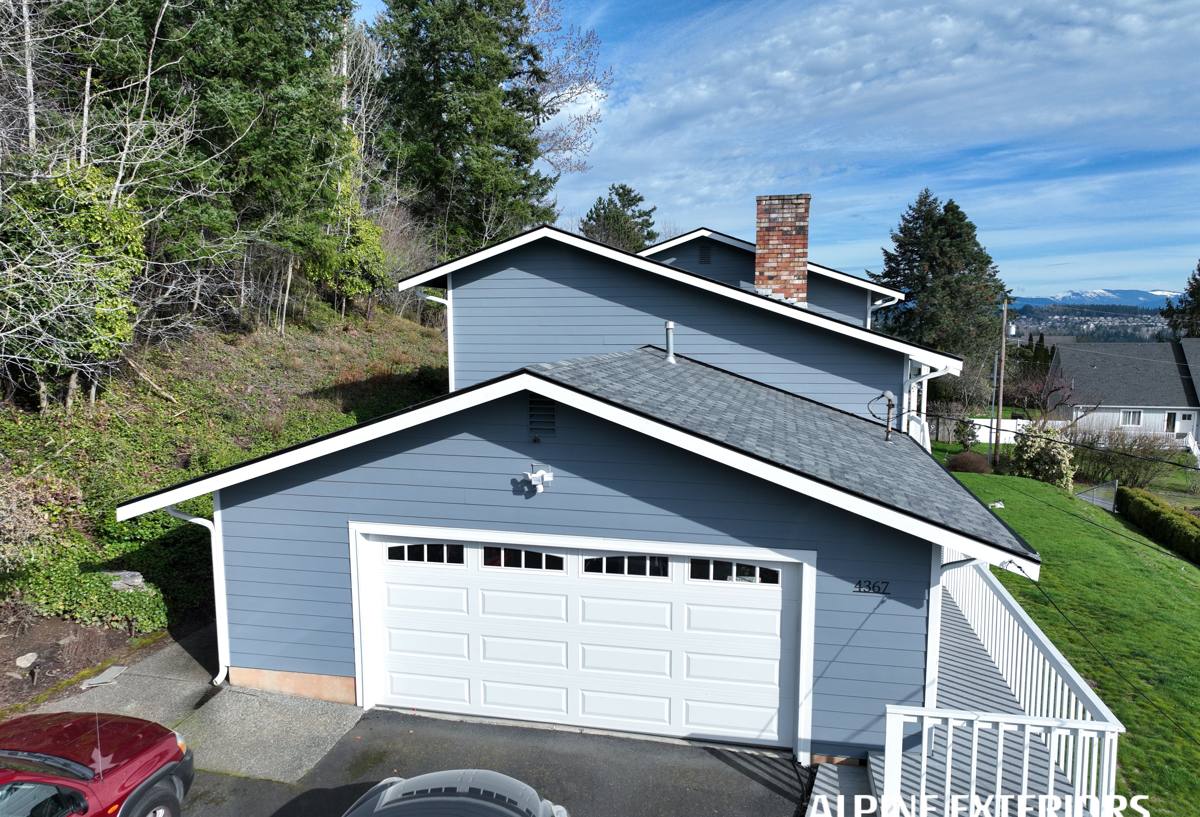
What Pinellas County Climate Does to a Roof Over Time
Every roofing material sold in Florida is rated to handle heat and storms on paper. What separates a roof that lasts from one that fails early is how well it's installed against these specific stresses:
Hurricane and Tropical Storm Winds
St. Petersburg sits in a coastal wind zone, and Pinellas County falls within Florida's wind-borne debris provisions under the Florida Building Code. That affects fastening patterns, underlayment type, and how edges and ridges are secured. A roof that looks fine in a photo can still be under-fastened in ways that only show up when a storm tests it.
Year-Round UV Exposure
Florida sun breaks down roofing materials faster than almost anywhere else in the country. UV exposure dries out asphalt oils in shingles, degrades sealants, and accelerates granule loss — which is why the same shingle rated for 25-30 years up north often performs differently here.
Wind-Driven Rain
It's not just how much rain falls — it's the angle it falls at during a squall or tropical system. Wind-driven rain gets pushed sideways and upward under loose shingles, poorly lapped underlayment, and weak flashing details around chimneys, skylights, and roof-to-wall transitions.
Salt Air
Being close to the bay means airborne salt accelerates corrosion on exposed metal — nails, flashing, vents, and fasteners. Standard fasteners can corrode years ahead of schedule; corrosion-resistant hardware is not optional this close to the water.
Tree Canopy and Shade
Crescent Lake's mature trees are part of what makes the neighborhood attractive, but shaded roof sections stay damp longer after rain, collect more organic debris, and are more prone to algae and moss growth than roofs in full sun. That affects material choice and how often a roof needs a look.
Signs a Crescent Lake Home May Need a New Roof
Many older homes in this area are on their second or third roof since original construction, and some still have decking or roof framing that reflects decades-old building practices. A few signs it's time to stop patching and start planning a replacement:
- Shingles that are curling, cracking, or missing granules in large patches
- Soft or spongy spots when walking the roof, which usually means the decking underneath is compromised
- Daylight visible through the roof deck from inside the attic
- Water stains on ceilings or in the attic after heavy rain, especially near valleys or chimneys
- Persistent moss, algae, or dark streaking on shaded sections
- A roof that's more than 15-20 years old, regardless of how it looks from the ground
- Multiple past repairs to the same area of the roof
- Rising insurance premiums or a carrier flagging the roof's age at renewal
Roofing Materials: What Performs Best in This Area
There's no single "best" roofing material for every home — it depends on the roof's pitch, the home's architecture, budget, and how much maintenance the homeowner wants to take on. Here's how the common options compare for a home in a shaded, coastal neighborhood like Crescent Lake.
| Material | Wind Performance | Heat & UV Performance | Typical Lifespan Here | Notes for This Area |
|---|---|---|---|---|
| Architectural (laminate) asphalt shingles | Good, when properly fastened and rated | Moderate; UV shortens life vs. northern climates | 15-25 years | Most common choice; wide style and color range, moderate cost |
| 3-tab asphalt shingles | Fair; lighter and less wind-resistant | Weaker UV resistance over time | 10-15 years | Lowest upfront cost, but shortest service life in this climate |
| Standing seam metal | Excellent | Reflects heat well, ages slowly under UV | 40-60 years | Higher upfront cost; strong long-term value, low maintenance |
| Concrete or clay tile | Very good when properly installed | Excellent | 40-50+ years | Heavy — requires structural review; fits Mediterranean-style homes common in the area |
For shaded lots specifically, we factor in how each material handles moisture retention and organic growth, not just wind rating on a spec sheet.
What a Correct New Roof Installation Actually Involves
A roof is only as good as the layers underneath it. A new set of shingles over a weak foundation will fail early no matter how good the shingle brand is. Here's what we check and do on every installation:
1. Full Tear-Off and Deck Inspection
We remove the old roofing down to the deck rather than layering over it. This lets us inspect the plywood or board decking for rot, delamination, or soft spots — common in older Crescent Lake homes where decking may be original or from a prior repair. Any damaged decking gets replaced before anything new goes on.
2. Underlayment and Moisture Barrier
Given the wind-driven rain and shaded, slow-drying sections typical here, we use underlayment suited to the roof's exposure and pitch, with proper overlap at seams and valleys.
3. Flashing at Every Transition
Chimneys, skylights, sidewalls, and roof valleys are where most leaks actually start — not in the open field of shingles. New, correctly lapped flashing at every one of these points is not optional.
4. Fastening for Wind Uplift
Nailing pattern and fastener count are matched to the material manufacturer's wind-rated specifications and the Florida Building Code requirements for our area, not just a generic pattern.
5. Ventilation Check
Poor attic ventilation traps heat and moisture, which shortens roof life from underneath. We evaluate intake and exhaust ventilation as part of the job, not as an afterthought.
6. Corrosion-Resistant Hardware
Given the proximity to the bay, we use fasteners and metal components rated to resist salt-air corrosion rather than standard hardware that may be fine further inland.
7. Cleanup and Final Inspection
Magnetic sweep for stray nails, full site cleanup, and a final walk-through before we consider the job finished.
Permits and Inspections in St. Petersburg
A full roof replacement in St. Petersburg requires a building permit and inspection — this isn't optional paperwork, it's what protects the homeowner if there's ever an insurance claim or a future sale. An unpermitted roof can create real problems at closing or during a claim, even if the workmanship was fine. We handle the permitting and coordinate required inspections as part of the job, so it's not something the homeowner has to chase down.
Cost Factors Homeowners Should Understand
Roofing costs vary by home, and we don't publish blanket prices because the honest answer depends on your specific roof. The main factors that move the number:
- Roof size and pitch — steeper roofs take longer and require more safety measures
- Number of layers to remove — tearing off two old layers costs more than one
- Decking condition — hidden rot or damage found during tear-off means added repair
- Material choice — asphalt, metal, and tile sit at very different price points, as shown above
- Roof complexity — valleys, dormers, chimneys, and skylights all add labor and flashing work
- Access and tree canopy — mature trees near the roofline can affect staging and cleanup
We walk every roof in person and give a written estimate that breaks these factors down, rather than a vague ballpark over the phone.
Why It Matters to Hire a Crew That Already Works in Crescent Lake
Roofing crews that mostly work newer subdivisions aren't always prepared for what older Crescent Lake homes bring — decking sizes and framing that don't match modern lumber standards, roofs with unusual pitches or additions built at different times, and job sites where tree canopy limits staging and debris removal. A crew that's worked this neighborhood before knows to check for these things upfront instead of discovering them mid-job.
Local, established roofing contractors are also easier to hold accountable — for warranty work, for permit follow-through, and for being reachable years after the invoice is paid. That matters in a coastal climate where a roof's real test doesn't happen until the next storm season.
After Installation: Keeping a New Roof Performing
A correctly installed roof still benefits from basic upkeep, especially under tree canopy:
- Clear leaves and debris from valleys and gutters periodically, particularly after storms
- Trim back branches that overhang or touch the roof surface
- Have the roof looked at after any major wind event, even if there's no visible damage from the ground
- Keep manufacturer and workmanship warranty paperwork on file for future reference or resale
If you're weighing a repair against a full replacement, or just want a straight answer on where your current roof stands, we're happy to take a look. Use the form below to request a free, no-pressure estimate for your Crescent Lake home.