 St. Petersburg
 Roser Park Roofs Take a Different Kind of Beating
Roser Park is one of St. Petersburg's older residential neighborhoods, and that history shows up on the roofs. Many homes here were built decades before today's wind-rated shingle standards existed, and even roofs that have been replaced once or twice since then are still working against the same environment every other roof in Pinellas County fights: hurricane-force wind gusts during tropical systems, wind-driven rain that gets pushed sideways under flashing and shingle tabs, intense year-round UV that bakes asphalt and breaks down sealants faster than in most of the country, and salt-laden air drifting in off Tampa Bay that speeds up corrosion on every metal component on the roof.
None of that is unique to Roser Park. What is worth paying attention to is how those forces interact with the kind of homes and tree cover common in this neighborhood — older roof decking, more complex rooflines than a typical newer subdivision, and mature tree canopy that adds falling limb risk during storms and keeps roofs shaded and damp longer after rain. Storm damage repair here isn't a different service in name, but doing it correctly means understanding what's actually under the shingles before any repair starts.
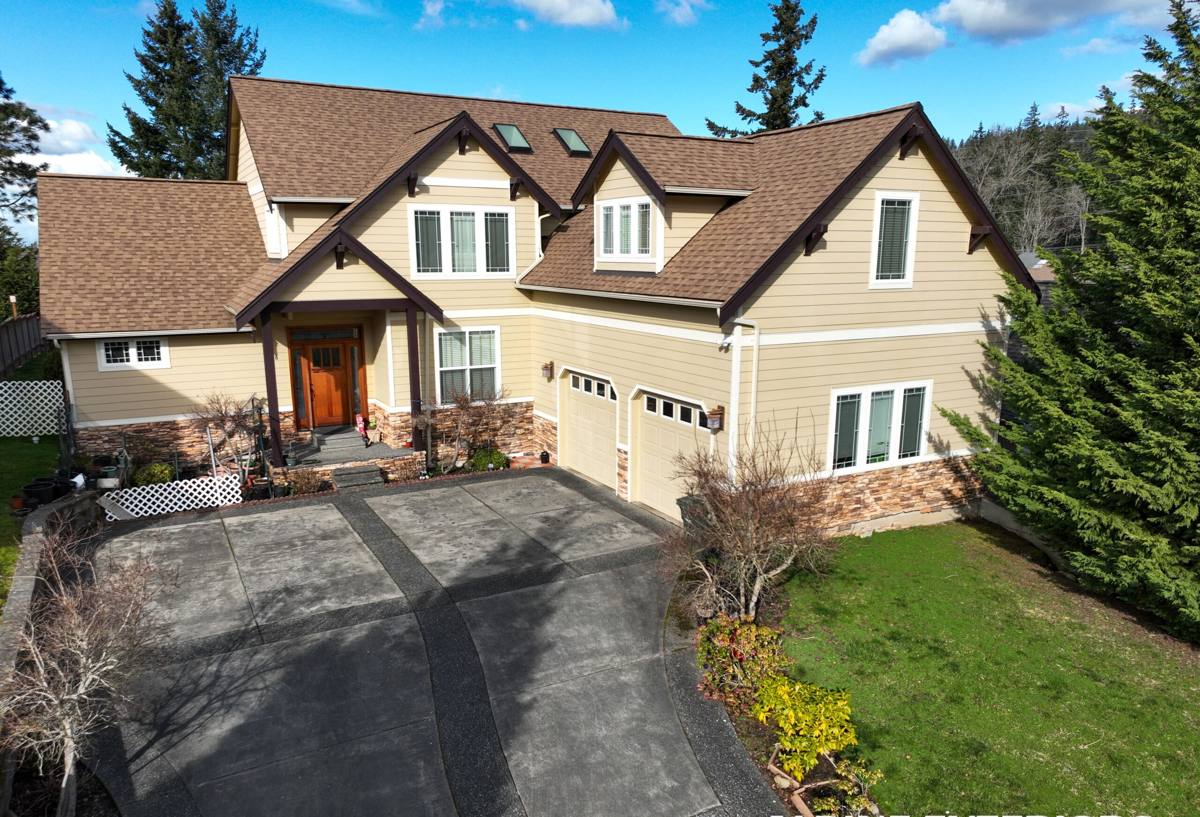
What Storm Damage Actually Looks Like After a Florida Storm
Homeowners often assume storm damage means missing shingles you can spot from the driveway. Sometimes it does. Just as often, the damage that causes real problems is harder to see from the ground.
Wind Damage
Sustained wind and gusts lift shingle tabs, break the adhesive seal strip between shingle courses, and in worse cases tear shingles off entirely or crease them so the fiberglass mat cracks. A creased shingle can look intact but has lost its ability to shed water and will fail within a season or two if it isn't replaced.
Wind-Driven Rain Intrusion
During a tropical storm or hurricane, rain doesn't fall straight down — it's pushed sideways and upward under roof edges, around flashing, and into any gap a normal rain event would never reach. This is how water gets into a roof system without a single shingle going missing, and it's one of the most common causes of hidden leaks after a storm passes.
Hidden Decking and Fastener Damage
Repeated wind uplift stresses the nails or staples holding shingles down and can loosen roof decking fasteners over time, even without a single storm causing obvious damage. Years of cumulative UV exposure also make older decking and underlayment more brittle, so a storm that an newer roof shrugs off can find the weak points in an older one.
Why This Matters More for Older Roofs
Homes in established St. Petersburg neighborhoods like Roser Park often have rooflines with more valleys, hips, and transitions than a simple gable roof — features that add character but also add seams where water can find a way in. Older decking, older flashing details, and prior repairs done to varying standards all mean two roofs that look similar from the street can be in very different condition underneath. A proper storm damage repair starts with figuring out which situation you actually have, not assuming.
Our Storm Damage Repair Process
We approach every storm repair call the same methodical way, whether the damage is obvious or you just want a roof checked out after a rough weather event.
1. Full Roof Inspection
We walk the roof (or use a safe vantage point when conditions don't allow it) and check every plane, valley, penetration, and edge — not just the area where damage was reported. Storms rarely damage only one spot.
2. Documentation
We photograph and note what we find, including damage that may not be visible from the ground. This record is useful whether you're filing an insurance claim or just want a clear picture of your roof's condition for your own records.
3. Honest Scope of Repair
We tell you what actually needs to be fixed — no more, no less. If a handful of shingles need replacing and the rest of the roof is sound, that's what we recommend. If we find deck or structural issues that go beyond a patch, we explain why and what the options are.
4. The Repair Itself
Repairs are done to match the existing roof as closely as possible in materials and installation method, with attention to the details that actually determine whether a repair lasts: proper shingle nailing patterns, correctly lapped underlayment, and flashing that's sealed and integrated with the surrounding roof rather than just caulked over.
5. Follow-Up
We stand behind the work and are reachable if you have questions or notice anything after the next hard rain.
Repair vs. Replacement: How We Make the Call
Not every storm-damaged roof needs to be replaced, and not every roof that "looks fine" from the ground is actually fine. Here's how we think through the decision.
| Factor | Leans Toward Repair | Leans Toward Replacement |
|---|---|---|
| Extent of damage | Localized to one area or a limited number of shingles | Widespread across multiple roof planes |
| Roof age | Roof is under 10-12 years old | Roof is near or past its expected service life |
| Decking condition | Decking is sound and dry | Decking is soft, delaminated, or water-stained |
| Prior repair history | Few or no previous patch repairs | Multiple past repairs in different areas |
| Shingle condition elsewhere | Remaining shingles are still flexible and granule-covered | Remaining shingles are brittle, curling, or losing granules |
We'll walk you through where your roof lands on these factors and explain our reasoning, rather than just handing you a number.
Materials and Methods We Use for Repairs That Actually Last
A storm repair is only as good as what's underneath the new shingles. We match architectural or three-tab shingles to your existing roof where possible, use self-adhering underlayment in valleys and around penetrations for extra protection against wind-driven rain, and re-flash any area we open up rather than reusing old flashing that's already been through multiple storm seasons. On homes with older or non-standard decking, we check fastener condition and re-secure or replace deck sections as needed rather than nailing new shingles over a compromised base.
We also pay close attention to sealant and adhesive strips, since Florida's UV exposure breaks these down faster than in cooler climates. A repair that looks correct on installation day but uses shortcuts on sealing will show its weakness at the next storm, not before.
Insurance Claims: What St. Petersburg Homeowners Should Know
Many storm repairs in Pinellas County get filed through homeowners insurance, and having clear, dated documentation of the damage helps that process go smoother. We're happy to provide our inspection photos and notes for your claim, and we can point out what an adjuster is likely to look for. What we won't do is inflate a scope of work or claim damage that isn't there — that approach causes problems for homeowners down the line, and it's not how we do business.
After the Storm: A Quick Checklist
- Check gutters and the ground around your home for shingle granules or shingle pieces
- Look for water stains on interior ceilings, especially near roof valleys or chimneys
- Check for visible gaps, lifted shingles, or exposed nail heads from the ground — don't climb up yourself
- Note any fallen branches or debris on the roof and have them removed carefully
- Photograph anything unusual before cleanup, in case it's relevant to a claim
- Call for an inspection promptly — small wind or water intrusion issues get worse, not better, with time
Why a Crew That Works This Neighborhood Regularly Matters
Roofing in St. Petersburg isn't one-size-fits-all. A crew that regularly works in older, established neighborhoods like Roser Park has a feel for the kind of rooflines, decking age, and prior repair patterns common to homes of this era — which means fewer surprises and a more accurate assessment the first time out. That familiarity, combined with straightforward communication about what's actually wrong and what it takes to fix it, is what separates a repair that holds up through the next storm season from one that's back on your to-do list in a year.
If your Roser Park home has visible or suspected storm damage — or you just want a roof checked out after a rough stretch of Pinellas County weather — we're glad to take a look. Request a free, no-pressure estimate using the form below and we'll get back to you with an honest assessment.