 St. Petersburg
 Siding in a Historic, Waterfront-Adjacent Neighborhood
Old Northeast sits close enough to Tampa Bay that salt-laden air is a daily fact of life for anything on the exterior of a house, and its tree canopy and older housing stock add their own wrinkles to a siding project. Homes here range from early-20th-century bungalows and Mediterranean Revivals to mid-century infill, many with layers of past repairs, additions, and repaints. Getting siding right in this neighborhood means respecting the architecture while installing a product system that can actually survive Pinellas County's climate for decades, not just a few years.
That combination — older construction, mature landscaping, and proximity to open water — is exactly why a generic siding job doesn't hold up well here. What works in a new subdivision inland doesn't always work three blocks from the bay.
What Old Northeast's Climate Does to Siding
St. Petersburg homes face a specific combination of stressors, and Old Northeast gets a concentrated dose of most of them:
- Hurricane-force wind: Gulf Coast storm seasons put real wind-load pressure on wall systems, and fastening that isn't done to spec is where failures start.
- Intense, year-round UV: Florida sun breaks down pigments and coatings far faster than in northern climates, which is why paint jobs on wood and older composite siding fade and chalk within a few years.
- Wind-driven rain: Storms here don't just fall straight down — rain gets pushed sideways into seams, laps, and trim joints, so the water management behind the siding matters as much as the siding itself.
- Salt air: The closer to the water, the more corrosive the air is on fasteners, trim, and any material not engineered to resist it.
Individually, these are manageable. Together, applied continuously to a house for years, they punish any material or installation shortcut. Mature tree canopy — common throughout Old Northeast — adds shade and humidity that slow drying time after rain, which matters more than most homeowners realize.
What Older Old Northeast Homes Typically Need
Many houses in this neighborhood have already been through at least one siding or exterior renovation, sometimes several. That history matters when planning a new installation:
Layered repairs and mismatched materials
It's common to find sections of a home where wood siding, old composite panels, or patched trim were added at different times, each aging and moving differently. A proper installation starts with assessing what's actually on the wall now, not just what the most recent layer looks like from the street.
Original wall assemblies
Older Florida homes weren't always built with the moisture barriers and drainage planes that current best practice calls for. Before new siding goes up, the sheathing and water-resistive barrier underneath need to be evaluated and, where necessary, corrected — otherwise the new siding is just covering the same problem.
Architectural detail
Bungalow and Mediterranean Revival-style homes often have trim profiles, eave details, and proportions that are part of what makes the neighborhood distinct. A siding installer working in Old Northeast needs to be able to match or respect that detailing rather than defaulting to a flat, generic look.
Why We Install Only James Hardie Fiber Cement
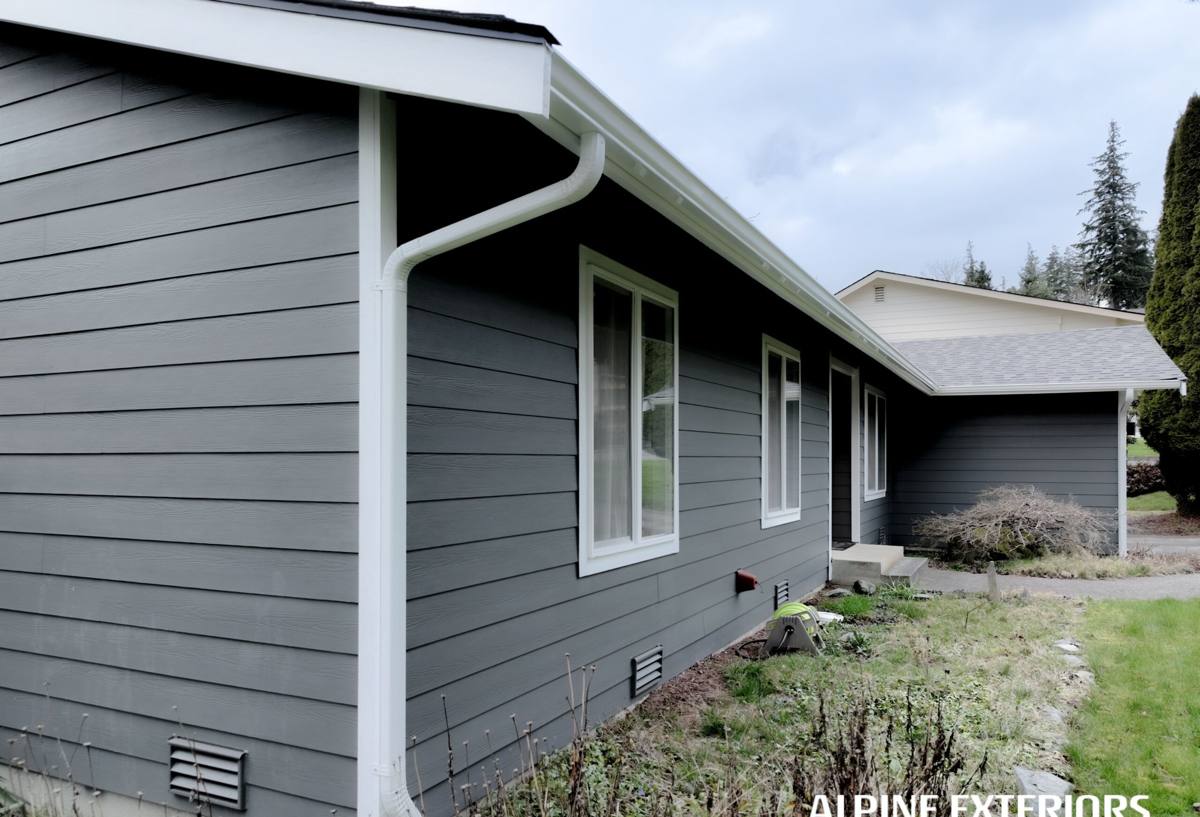
We standardized on James Hardie fiber cement siding for every home we work on, including in Old Northeast, and we don't install vinyl, LP SmartSide, Cemplank, Allura, primed spruce, or cedar. That's not a marketing position — it's a decision based on what actually holds up under Gulf Coast conditions over the long haul.
Fiber cement is non-combustible, which matters in a state where wildfire and structural fire risk are both real considerations. It doesn't expand and contract with humidity the way wood-based products do, so it isn't as prone to the swelling, buckling, and moisture intrusion that shorten the life of engineered wood siding in humid climates. Hardie's ColorPlus factory finish is baked on under controlled conditions and holds color significantly better under intense UV exposure than field-applied paint, which reduces how often a homeowner has to repaint. And Hardie builds region-specific product lines (HZ5 for the Gulf Coast, for example) engineered around the moisture and humidity profile of exactly this kind of climate — not a one-size-fits-all national product.
None of that means every other material is unusable everywhere. It means that for the specific combination of salt air, UV, wind, and wind-driven rain that Old Northeast homes face, we don't think the trade-offs of those alternative products are worth it, and we'd rather stand behind one system we trust than offer several we don't.
What a Correct Installation Actually Involves
The siding material is only part of the equation. Most siding failures in Florida — on any brand — trace back to installation shortcuts, not the product itself. A correct James Hardie installation includes:
- Removing old siding down to the sheathing and inspecting for rot, moisture damage, or structural issues before anything new goes on
- Installing (or correcting) a continuous water-resistive barrier behind the siding
- Proper flashing at windows, doors, and any wall penetrations so wind-driven rain has a way to shed rather than collect
- Correct fastener type, spacing, and penetration depth — under-fastened siding is one of the most common causes of wind damage in storms
- Maintaining Hardie's specified clearances from grade, roofing, and other surfaces so moisture doesn't wick into the board edges
- Factory-mitered or properly caulked joints and trim work finished to match the home's existing architectural detail
Skipping any one of these doesn't necessarily show up on day one. It shows up two, five, or ten years later as trapped moisture, fastener failure in a storm, or premature caulk and paint breakdown — which is exactly the kind of deferred problem that's expensive to fix after the fact.
Our Process for an Old Northeast Siding Project
| Step | What Happens |
|---|---|
| Inspection | We assess existing siding, sheathing condition, trim, and any moisture or structural issues specific to the home |
| Plan & estimate | We scope the work, discuss product line and color, and provide a written estimate before anything is scheduled |
| Tear-off & prep | Old siding comes off, damaged sheathing is addressed, and the water-resistive barrier is installed or repaired |
| Installation | James Hardie siding and trim go up to manufacturer spec — fastening, flashing, and clearances included |
| Finish & detail | Trim, caulking, and touch-up work are completed to match the home's architectural character |
| Walkthrough & cleanup | We walk the finished job with the homeowner and clear the site fully |
Siding Material Comparison
| Factor | James Hardie Fiber Cement | Vinyl | Engineered Wood (LP-type) | Untreated Wood/Cedar |
|---|---|---|---|---|
| Combustibility | Non-combustible | Combustible, can warp near heat | Combustible | Combustible |
| Moisture behavior in humid climates | Engineered for humidity (HZ5) | Doesn't rot but can trap moisture behind it | Prone to swelling/softening if compromised | Prone to rot without diligent upkeep |
| UV/color retention | Factory ColorPlus finish, strong fade resistance | Fades and can become brittle over time | Field-painted finish fades faster | Requires frequent refinishing |
| Wind performance (properly installed) | Strong, tested for high-wind regions | Can crack or blow off in high wind | Adequate if installed and maintained well | Adequate if installed and maintained well |
| Typical maintenance | Periodic cleaning, repaint on a longer cycle | Low, but degrades and can't be repainted easily | Regular paint/caulk maintenance required | Frequent sealing/painting required |
Cost Factors Homeowners Should Understand
Every Old Northeast home is different, so we don't quote pricing without seeing the house, but the main variables that drive cost on most projects are:
| Factor | Why It Matters |
|---|---|
| Condition of existing sheathing | Rot or moisture damage found during tear-off adds repair scope before new siding can go on |
| Amount of trim and architectural detail | Bungalow and Revival-style trim work takes more time than flat, simple elevations |
| Siding profile and product line | Lap width, texture, and HZ product line selection affect material cost |
| Home size and accessibility | Mature trees, tight lot lines, and multi-story sections affect labor time |
| Paint vs. factory ColorPlus finish | ColorPlus reduces long-term repainting cost even if upfront pricing differs by color option |
Why It Matters to Hire a Crew That Already Works Old Northeast
Old Northeast is a recognized historic district, and while we're not the authority on local preservation guidelines, homeowners here should expect that exterior changes — including siding replacement — may involve some level of city review or architectural consideration depending on the property. A contractor who's done work in the neighborhood before is more likely to anticipate that step, plan the project timeline around it, and detail the trim and profile choices in a way that fits the block rather than standing out for the wrong reasons.
Beyond the historic-district question, familiarity with the neighborhood means understanding what these particular homes tend to be hiding behind their existing siding, how close-to-the-bay salt exposure should factor into fastener and flashing choices, and how to route material and equipment around mature landscaping without damaging it. That's the kind of judgment that only comes from having actually worked on houses like these before.
Signs Your Old Northeast Home May Need New Siding
- Soft or spongy spots when you press on siding or trim, especially near the bottom edges
- Visible warping, buckling, or gaps between boards
- Paint that's peeling, bubbling, or failing faster than a normal repaint cycle would suggest
- Persistent staining, streaking, or a musty smell near exterior walls
- Siding that's noticeably faded or chalky from UV exposure
- Visible fastener corrosion or popped/backed-out nails
- Any history of storm damage that was patched rather than properly repaired
If you're seeing any of these on a home in Old Northeast, it's worth having someone look at the wall assembly, not just the visible siding surface, since the underlying damage is often more extensive than what shows from the curb.
If you'd like a straightforward look at what your home's siding needs, we offer free, no-pressure estimates — use the form below to get started.