 St. Petersburg
 Roofing Built for What Childs Park Actually Deals With
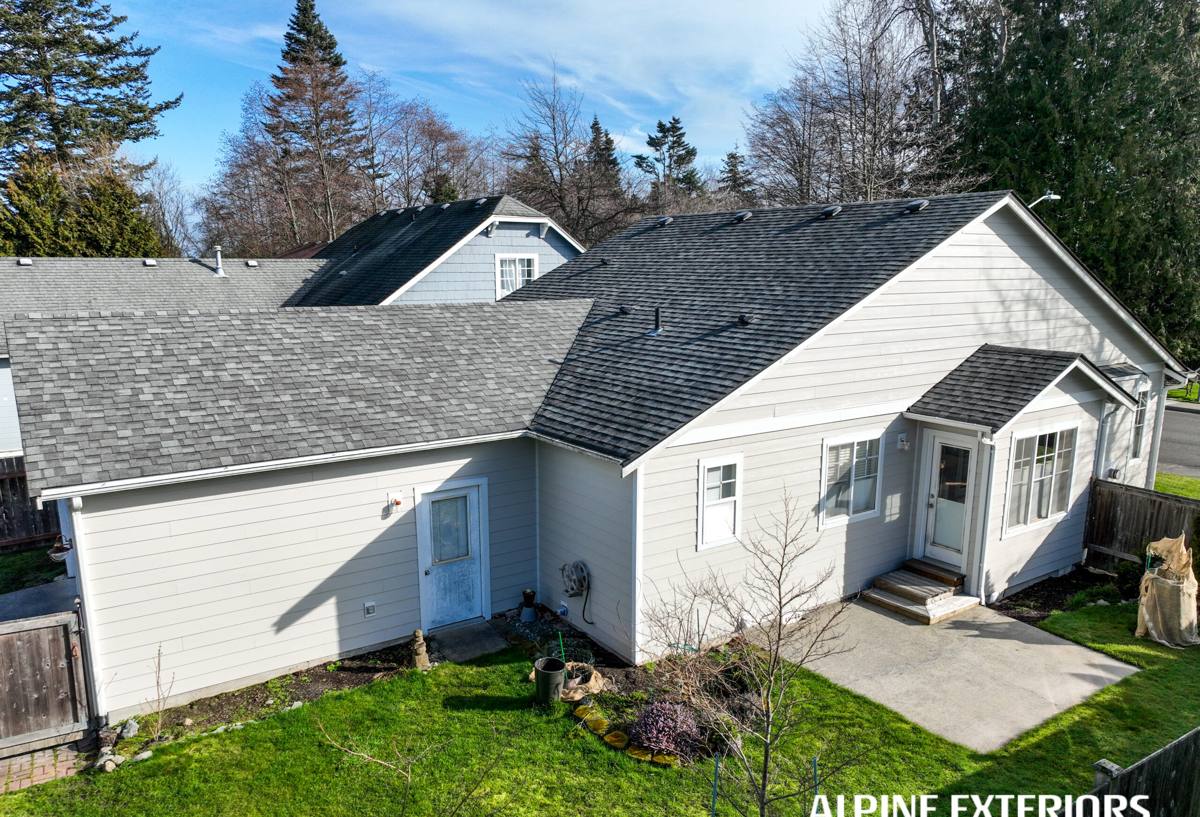
Childs Park homes sit under the same sun, salt air, and storm exposure as the rest of St. Petersburg and Pinellas County, and that combination is harder on a roof than most homeowners realize until they're dealing with a leak, a missing shingle after a squall, or an insurance inspector flagging a roof that's simply too old to insure. A new roof installation here isn't a cosmetic upgrade — it's the single most important piece of protection your home has against wind-driven rain, hurricane-force gusts, and the year-round UV load that breaks down roofing materials faster than in most other parts of the country.
This page covers what a correct new roof installation looks like for a Childs Park home specifically: what the climate demands, what the job actually involves, how we run the process, and why local experience matters more than a low bid.
Why This Climate Is Hard on Roofs
Florida's Gulf Coast puts four separate stresses on a roof system, and they compound over time:
- Hurricane-force winds — even a roof that's never taken a direct hit from a named storm still deals with repeated seasonal wind events that work at fasteners, flashing, and shingle tabs over years.
- Intense, year-round UV exposure — Florida's sun angle and day length mean roofing materials get more cumulative UV than in northern climates, which accelerates the breakdown of asphalt oils and sealant strips.
- Wind-driven rain — storms here rarely come straight down. Rain gets pushed sideways under shingle edges, around flashing, and into any gap that a lower-wind-zone installation might get away with.
- Salt air — St. Petersburg's proximity to Tampa Bay and the Gulf means airborne salt reaches fasteners, flashing, and metal components, speeding up corrosion on anything not rated for coastal exposure.
None of these individually destroys a roof overnight. Together, over 15–20 years, they're why so many Pinellas County roofs need full replacement well before the material's "rated life" runs out — the rating assumes a milder climate than the one Childs Park actually sits in.
Signs a Childs Park Home Needs a New Roof, Not a Repair
A patch makes sense for isolated damage. A full replacement makes sense when the roof's underlying systems — decking, underlayment, flashing — are compromised across the whole surface, not just at one spot. Common indicators we look for:
- Shingles that are curling, cracking, or losing granules across large sections rather than one localized area
- Soft spots or sagging in the roof deck, usually a sign of water intrusion that's reached the wood
- Repeated leaks in different locations after storms, rather than one recurring spot
- Visible daylight through the attic decking, or moisture staining on attic rafters
- A roof approaching or past 20 years old, especially with an insurer requesting a 4-point inspection
- Missing or lifted shingles after wind events, particularly along ridges and edges where uplift is worst
If you're only seeing one or two of these in a contained area, a repair may genuinely be the right call — we'll tell you that instead of pushing a full replacement you don't need yet.
What a Correct New Roof Installation Actually Involves
The shingles or panels are the part homeowners see, but they're the last layer of a system. A roof that's going to hold up to Pinellas County storms depends on everything underneath being done right first.
Tear-Off and Deck Inspection
Every new roof starts with full removal of the old roofing material down to the deck. This is the point where hidden damage — rotted decking, old leaks that were never fully dried out, undersized or corroded fasteners — gets found and fixed. Skipping this step, or "roofing over" an old layer, is how new shingles end up sitting on a compromised base.
Underlayment
In a wind-driven-rain climate, underlayment is doing more work than people assume. A synthetic or self-adhering underlayment, properly lapped and sealed, is what keeps water out if wind ever drives rain up under a shingle tab — which happens in Pinellas County far more often than in drier, calmer climates.
Flashing
Flashing around chimneys, vent pipes, skylights, and roof-to-wall transitions is one of the most common failure points on any roof, and it's frequently under-detailed on lower-cost installs. Correct flashing, properly integrated with the underlayment (not just caulked over), is what prevents slow leaks at these transition points for the life of the roof.
Ventilation
Florida attics get hot, and a poorly ventilated attic shortens the life of roofing material from underneath by baking the decking and shingles from below. Balanced intake and exhaust ventilation matters as much here as the roofing material itself.
Fastening for Wind Resistance
Nailing pattern, fastener count, and fastener placement are all governed by Florida Building Code wind requirements — and in a coastal wind zone like St. Petersburg's, doing this correctly is the difference between a roof that holds its shingles in a bad storm and one that doesn't.
Roofing Material Options for Childs Park Homes
There's no single "best" roofing material — the right choice depends on your home's structure, your budget, and how long you want to go before the next replacement. Here's how the common options compare for this specific climate:
| Material | Wind/Storm Performance | Maintenance | Typical Lifespan Here |
|---|---|---|---|
| Architectural asphalt shingle | Good when properly fastened and rated for the local wind zone | Low; periodic inspection after storms | 15–20 years in this climate |
| Standing seam metal | Very strong wind uplift resistance with proper fastening | Low; watch for fastener corrosion in salt air over time | 30–40+ years |
| Concrete or clay tile | Heavy and wind-resistant, but individual tiles can crack from debris impact | Moderate; cracked tiles need replacement, underlayment beneath still ages | 30–50 years (tile), underlayment often needs redoing sooner |
We install and stand behind each of these based on what actually fits your home — a steep, complex roofline may not be a good candidate for standing seam without added cost, while a home built for a lighter tile load shouldn't be switched to a heavier system without an engineering check. We'll walk through the honest trade-offs for your specific roof rather than pushing whatever's easiest to install.
Our Process for a Childs Park Roof Replacement
- On-site inspection and estimate — we assess your current roof, attic ventilation, and any visible deck or flashing issues, and give you a written scope and price.
- Material selection — we go over the options above in the context of your home's structure, HOA or neighborhood considerations, and budget.
- Permitting — new roof installations in St. Petersburg require a permit and inspection through the local building department; we handle this as part of the job.
- Tear-off and deck repair — full removal of old roofing, with any compromised decking replaced before anything new goes down.
- Underlayment, flashing, and ventilation install — the system underneath the visible roofing, done to current Florida code.
- Roofing material installation — installed to the fastening and wind-zone specifications required for your address.
- Final inspection and cleanup — city inspection sign-off, full site cleanup including magnetic sweep for stray fasteners, and a walkthrough with you.
Permits, Wind Codes, and Insurance
St. Petersburg and Pinellas County enforce Florida Building Code wind provisions that are stricter than what many roofing crews from outside the region are used to working under. A roof installed to code isn't just a legal requirement — it's also usually what your homeowners insurance carrier expects to see documented, especially if you're hoping for a wind mitigation credit or need to pass a 4-point inspection on an older home. A permit pulled correctly, with the inspections it requires, creates a paper trail that protects you if you ever need to file a storm damage claim or sell the home.
Why Local Experience Matters
A crew that already works in Childs Park and the surrounding St. Petersburg neighborhoods knows the local permitting process, the typical roof structures found in the area's housing stock, and what wind zone requirements actually apply — instead of learning it on your job. That familiarity shows up in fewer surprises: permit delays, code-required details that get missed, or a material choice that doesn't fit your home's roofline. It also means we're a known, reachable crew if you ever need a warranty question answered or a storm-damage follow-up, not a company that came through once and moved on.
What Affects Your Roof Replacement Cost
| Factor | Why It Matters |
|---|---|
| Roof size and pitch | More surface area and steeper slopes mean more material and labor time |
| Material choice | Asphalt, metal, and tile carry different material and installation costs |
| Deck condition | Rotted or damaged decking found during tear-off adds repair cost |
| Roof complexity | Valleys, dormers, chimneys, and skylights all add flashing detail work |
| Ventilation upgrades | Older homes often need added intake/exhaust vents to meet current standards |
We don't quote a number without seeing the roof — anyone who does is guessing. What we can tell you honestly is that the cheapest bid on a new roof almost always means shortcuts somewhere in the list above, and in this climate, that catches up with you.
Keeping Your New Roof Performing After Install
- Have the roof visually checked after any major storm, especially for lifted shingles or damaged flashing
- Keep gutters and downspouts clear so water isn't backing up under the roof edge
- Trim back overhanging branches that can drop debris or hold moisture against the roof surface
- Check attic ventilation isn't blocked by insulation or storage
- Address any interior ceiling staining immediately rather than waiting — it's almost always roof-related
If your Childs Park roof is showing its age, took storm damage, or you're just trying to get ahead of a problem before it becomes an insurance issue, we're happy to take a look and give you a straight answer — whether that's a repair or a full replacement. Use the form below to request a free, no-pressure estimate.