 St. Petersburg
 Asphalt Shingle Roofing for Old Southeast's Historic Homes
Old Southeast is one of St. Petersburg's older, more established neighborhoods, and it shows in the roofs. Bungalows, Mediterranean Revival cottages, and mid-century homes sit under a heavy canopy of mature oaks, many within a few blocks of open water. That combination — older construction, tree cover, and waterfront exposure — puts different demands on a shingle roof than you'd see on a newer subdivision a few miles inland. A roof that works fine in a treeless, newly built neighborhood can wear out faster here if it isn't installed and maintained with these specific conditions in mind.
This page is about one job in one neighborhood: asphalt shingle roofing, done right, for homes in Old Southeast. Not a generic overview of shingles everywhere — the specific issues this part of St. Petersburg throws at a roof, what a correct installation actually involves, and how we approach the work when we're on one of these properties.
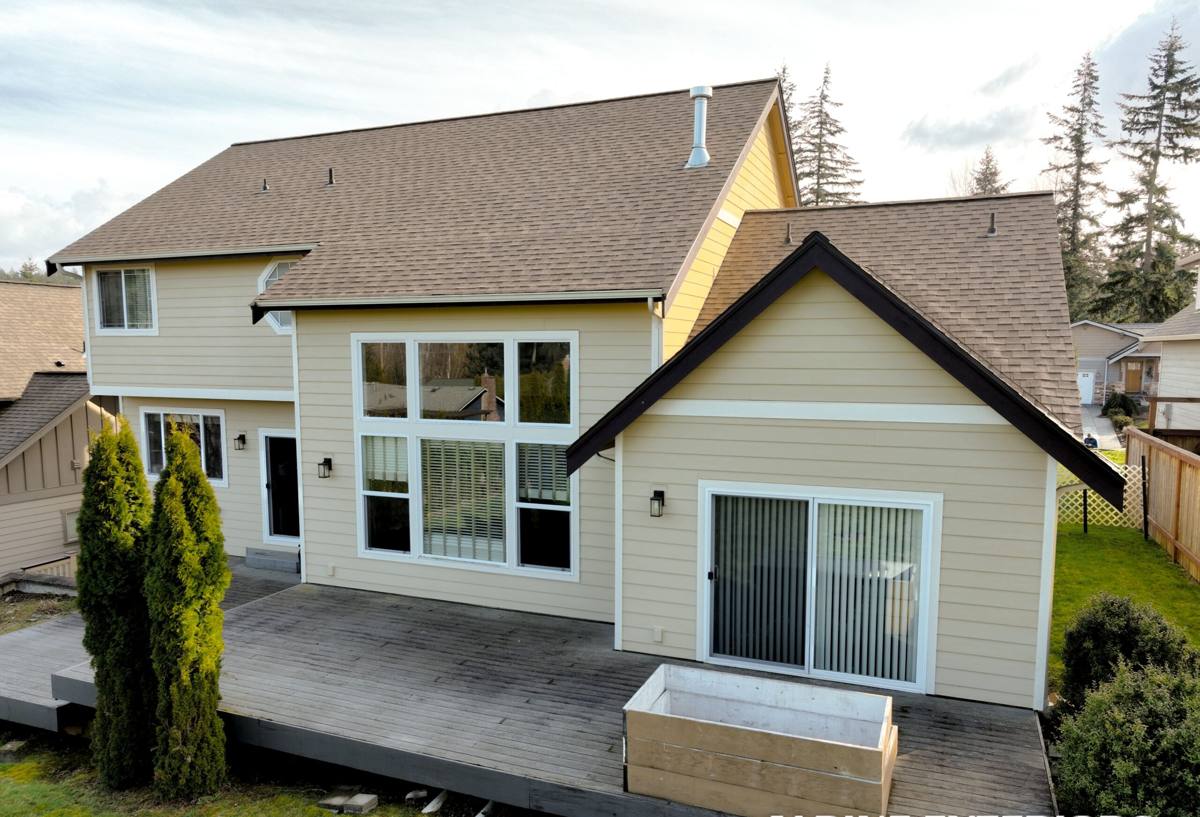
What St. Petersburg's Climate Does to a Shingle Roof
Every roof in Pinellas County deals with the same baseline stresses, and Old Southeast is no exception:
- Hurricane-force wind: Gusts during tropical systems can exceed the design wind speed of an improperly fastened or aging shingle roof, especially at ridges, hips, and edges where uplift forces concentrate.
- Intense, year-round UV: Florida's sun angle and day length mean shingles absorb far more UV exposure annually than in most of the country. This dries out asphalt oils and accelerates granule loss over time.
- Wind-driven rain: It's rarely just rain here — it's rain pushed sideways and upward under shingle edges and around penetrations, which is why underlayment and flashing details matter more than the shingle brand itself.
- Salt air: Proximity to Tampa Bay means airborne salt settles on roofing metal, fasteners, and vents, speeding up corrosion on anything not rated for coastal exposure.
None of this is unique to Old Southeast — it's true across St. Petersburg and coastal Pinellas County. What's different is how these forces interact with the specific housing stock and site conditions found in this neighborhood.
Why Old Southeast Presents Its Own Roofing Challenges
Mature Tree Canopy and Constant Debris
Large, established oaks are part of what makes Old Southeast desirable, but they're hard on a roof. Overhanging limbs drop leaves, pods, and small branches year-round, which collect in valleys and behind chimneys and can trap moisture against the shingle surface. Shaded roof sections also stay damp longer after rain, which is exactly the condition algae and moss need to take hold. A roof under heavy canopy typically needs more frequent debris clearing and inspection than an equivalent roof in the open.
Original or Aging Decking
Many homes in this part of St. Petersburg were built well before current code, and it's common to find original roof decking — sometimes shiplap or plank sheathing rather than modern plywood or OSB — still in place under one or more layers of old roofing. That decking may be sound, or it may have soft spots from decades of minor leaks that were never fully addressed. Either way, it changes what the tear-off and prep phase needs to look like, and it's not something you can accurately assess from the ground or from photos.
Keeping the Neighborhood's Character Intact
Homeowners in older St. Petersburg neighborhoods are often understandably particular about how a new roof will look from the street — shingle color and profile can either blend a home into its historic block or make it stand out for the wrong reasons. We treat that as part of the job, not an afterthought, and talk through shingle style and color options with an eye toward what suits the home's architecture, not just what's cheapest or fastest to install.
What a Correct Shingle Roof Installation Involves
A shingle roof is only as good as the layers underneath it. Skipping steps or rushing prep is the single biggest reason roofs underperform their expected lifespan in this climate.
Full Tear-Off and Deck Inspection
We remove existing shingles down to the deck rather than layering over old material. This is the point where hidden rot, soft decking, or old flashing problems actually get found and fixed — not discovered later as a leak.
Underlayment and Moisture Barrier
Given how much of our rain arrives sideways, a synthetic or self-adhered underlayment matters more here than in drier climates. We pay particular attention to valleys, low-slope sections, and areas around penetrations where wind-driven rain is most likely to find a gap.
Flashing and Ventilation
Flashing around chimneys, walls, and roof-to-wall transitions is one of the most common failure points on older homes, often because it was patched rather than replaced during a prior repair. Proper ventilation also matters more under a tree canopy, where trapped heat and moisture in the attic can accelerate deck deterioration from underneath, independent of anything happening on the surface.
Fastening and Wind Rating
Shingles are only as wind-resistant as their installation. Nail placement, pattern, and count all affect real-world uplift resistance during a hurricane far more than the marketed wind rating on the shingle wrapper.
Choosing the Right Shingle System
There's no single "best" shingle for every home — the right choice depends on budget, roof exposure, and how long you want to go before the next replacement. Here's how the common options compare for a home in this neighborhood:
| Shingle Type | Typical Lifespan Here | Wind Performance | Best Fit |
|---|---|---|---|
| 3-tab shingles | 12–18 years | Lower uplift resistance | Budget-driven projects, rental properties |
| Architectural (laminate) | 20–25 years | Good, especially with proper fastening | Most Old Southeast homes; balances cost and durability |
| Impact-rated architectural | 20–30 years | Best available in shingle roofing | Homes seeking insurance credits or maximum storm resilience |
We install architectural shingles on most of these projects because they hold up better under both UV exposure and wind load without a large price jump over 3-tab. Impact-rated shingles cost more up front but can qualify for wind-mitigation insurance discounts, which is worth discussing given how much Florida wind insurance has changed in recent years.
Our Process From Estimate to Final Inspection
- On-site assessment: We inspect the existing roof, attic, and decking condition in person — not from a satellite photo — before quoting anything.
- Written scope and estimate: A clear breakdown of materials, tear-off, decking repair contingencies, and timeline, with no vague allowances.
- Permitting: We pull the required roofing permit through the City of St. Petersburg or Pinellas County as applicable before work begins.
- Tear-off and deck repair: Old material removed, decking inspected and repaired or replaced as needed, with photos of anything found underneath.
- Underlayment, flashing, and shingle installation: Installed to manufacturer specifications and current wind-zone requirements.
- Site cleanup: Magnetic sweep for nails, full debris removal — important on a tree-lined street where a stray nail can end up in a neighbor's yard or driveway.
- Final walkthrough: We review the finished roof with you before considering the job done.
Cost Factors to Expect
Every roof is priced from its own specifics, but these are the factors that move the number most on Old Southeast homes:
| Factor | Why It Matters |
|---|---|
| Roof pitch and complexity | Steeper or multi-plane historic rooflines take longer and use more material than a simple gable |
| Decking condition | Original plank decking found to be soft or rotted adds repair cost discovered during tear-off |
| Number of existing layers | Older homes sometimes have more than one layer of old roofing to remove |
| Shingle grade selected | 3-tab, standard architectural, and impact-rated options carry different material costs |
| Access and tree cover | Overhanging canopy can require extra care and time to protect landscaping during tear-off |
We give a written estimate before any work starts, and we flag likely decking issues up front when we can see signs of them, rather than treating a repair as a surprise change order.
Maintenance That Extends Roof Life in This Climate
A well-installed shingle roof in this neighborhood still needs regular attention because of the tree canopy and salt air. A simple maintenance routine goes a long way:
- Clear leaves and debris from valleys and behind chimneys at least twice a year, more often during peak leaf drop
- Trim back branches that hang directly over the roofline to reduce abrasion and shade-related moisture
- Check attic ventilation intake and exhaust points for blockage annually
- Inspect flashing around chimneys and roof-to-wall transitions after major storms
- Rinse visible algae or moss growth with a low-pressure, roof-safe method rather than a pressure washer, which can strip granules
- Have the roof professionally inspected after any named storm that brought sustained high winds
Why a Crew That Already Works Old Southeast Matters
A roofing crew that regularly works this specific neighborhood already knows what to expect before the ladder goes up — the likelihood of original decking under the existing layer, how the tree canopy affects a given roof's condition, and what shingle styles read well on these older home designs. That familiarity translates into more accurate estimates, fewer surprises during tear-off, and a finished roof that fits the home instead of looking like it was dropped in from a big-box subdivision. Combined with straightforward, code-compliant installation practices suited to St. Petersburg's wind and rain exposure, that local experience is what keeps an asphalt shingle roof performing for its full expected lifespan rather than needing early repairs.
If you're weighing a roof replacement or repair on a home in Old Southeast, we're glad to take a look and give you a straightforward, no-pressure estimate — just fill out the form below.