 St. Petersburg
 Why Decks Fail Faster in Historic Kenwood
Historic Kenwood is one of St. Petersburg's older residential neighborhoods, and that history shows up in the housing stock: mature tree canopies, established landscaping, and homes built well before modern building codes accounted for the kind of weather Pinellas County sees today. A deck built or last replaced twenty or thirty years ago was likely designed around a different set of assumptions about wind load, fastener corrosion, and moisture exposure than what actually happens on a St. Petersburg property today.
The climate here is hard on any exterior structure, but it's particularly hard on decks. Hurricane-force wind events put lateral and uplift stress on framing and railings that many older decks were never engineered to handle. Intense, near year-round UV breaks down wood fibers, fades finishes, and dries out sealants faster than in most parts of the country. Wind-driven rain gets pushed sideways into ledger connections and under decking boards instead of simply falling straight down. And salt air, even several miles inland, accelerates corrosion on fasteners, brackets, and any exposed metal hardware. Put those four factors together over enough years and even a well-built deck starts to show real structural fatigue, not just cosmetic wear.
The Tree Canopy Factor
Kenwood's tree-lined streets are part of what makes the neighborhood distinct, but heavy shade also means decks here dry out more slowly after rain than an equivalent structure in full Florida sun. Damp leaf litter sitting on boards, shaded framing that never fully dries between storms, and root systems that can shift soil under footings are all things we look at specifically because of how common they are in this part of St. Petersburg.
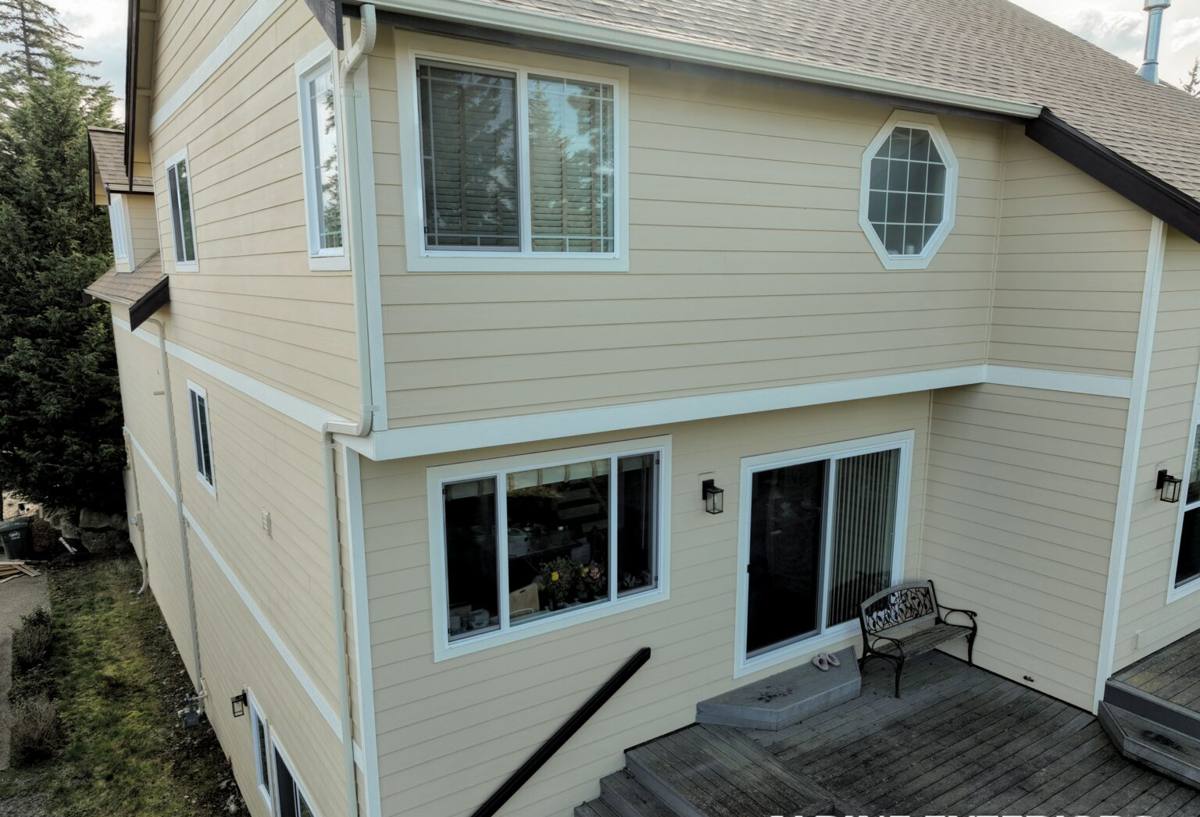
Repair, Refinish, or Replace? Reading the Signs
Not every tired-looking deck needs a full replacement, but in a climate this aggressive, cosmetic problems are often a sign that structural ones aren't far behind. Here's how we tell the difference during an inspection.
- Soft, spongy, or bouncy decking boards — usually means moisture has already reached the framing underneath
- Rust streaking around joist hangers, bolts, or brackets — a sign fasteners are corroding, not just staining
- A ledger board (where the deck attaches to the house) that shows gaps, dark staining, or movement when the deck is loaded
- Railings or posts that flex more than they should when you lean on them
- Footings or posts that have shifted, settled unevenly, or show visible cracking
- Widespread splitting, cupping, or checking across most of the boards, rather than a few isolated pieces
If the problems are limited to a handful of boards and the framing underneath is sound, repair or partial board replacement can make sense. Once you're seeing multiple items from that list at once, or the ledger connection is compromised, replacement is almost always the more honest recommendation — patching a structural problem just delays the cost and adds risk in the meantime.
What a Correct Deck Replacement Actually Involves
A deck that's going to hold up in this environment needs to be built with Gulf Coast conditions in mind from the ground up, not just re-decked with new boards over old framing.
Footings and Framing
Footings need to be sized and set to actual soil conditions on the lot, not guessed at. Framing lumber should be rated for ground contact or exterior exposure where relevant, and joist spacing should match the decking material's actual span rating rather than whatever spacing happened to be used last time.
Connections That Handle Wind
This is where a lot of older decks fall short. Proper hurricane-rated hardware — hold-downs, tension ties, and rated joist hangers — resists the uplift and lateral forces that come with high wind events. The ledger board attachment to the house is one of the most critical (and most commonly under-built) connections on the entire structure, and it needs proper flashing to keep wind-driven rain from working its way behind the siding.
Fasteners That Won't Corrode
Given the salt air exposure across St. Petersburg and Pinellas County, fastener choice matters more here than it would inland. Stainless steel or high-grade coated fasteners rated for coastal exposure cost more up front than standard hardware, but standard hardware corroding prematurely is one of the most common reasons we see decks fail years ahead of schedule.
Drainage and Airflow
Under the shade of Kenwood's tree canopy, a deck that traps moisture underneath it will stay damp longer after every rain. Proper board spacing, ventilation beneath the structure, and grading that moves water away from footings all matter more here than they would on an open, sun-exposed lot.
Choosing a Decking Material for This Climate
There's no single "best" decking material — each option involves real trade-offs in cost, maintenance, and how it handles UV and moisture over time. We'll walk through what fits your home, your budget, and how much upkeep you actually want to commit to.
| Material | Typical Lifespan Here | Maintenance | Trade-offs in This Climate |
|---|---|---|---|
| Pressure-treated wood | 10–15 years | Annual cleaning and re-sealing | Lowest upfront cost; UV and moisture cycling shorten life if maintenance lapses |
| Composite decking | 20–25+ years | Occasional washing, no sealing | Higher upfront cost; some boards can retain surface heat in full sun |
| PVC/capped decking | 25–30+ years | Minimal — washing only | Highest upfront cost; best resistance to moisture and salt air corrosion effects on framing hardware |
| Tropical hardwoods | 20–25 years with upkeep | Regular oiling to maintain appearance | Dense and durable but requires consistent maintenance discipline in intense UV |
Our standard is to steer homeowners toward whichever material matches how they actually plan to maintain the deck, not just the lowest sticker price. A composite or PVC board with a longer warranty period often costs less over 20 years than a wood deck that needs re-sealing every single year in this sun.
Historic District Considerations
Depending on where your property sits within Historic Kenwood, there may be design review guidelines that apply to visible exterior changes, including decks, railings, and stairs facing the street. These vary by exact designation and location within the neighborhood, so we don't assume — we check what applies to your specific address and factor any relevant guidelines into the proposal and permitting process before work begins. If your home carries any historic designation, it's worth mentioning that up front so we can plan the project correctly from the start rather than adjusting mid-job.
Our Deck Replacement Process
1. On-Site Assessment
We inspect the existing deck's framing, ledger connection, footings, and hardware condition, not just the surface boards, and walk you through exactly what we find.
2. Written Proposal
You get a clear scope of work and material options in writing — no verbal-only estimates, no vague allowances.
3. Permitting
Deck replacement in St. Petersburg typically requires a permit, and we handle that process, including any historic district review your address may require.
4. Demolition and Disposal
The old structure comes out cleanly, with attention to protecting the landscaping and surrounding property that Kenwood homeowners tend to have invested in.
5. Build and Inspection
New framing, hardware, and decking go in to code, with inspections completed at the required stages.
6. Final Walkthrough
We go over the finished deck with you directly before considering the job done.
Why It Matters That We Already Work in Kenwood
A crew that regularly works in this specific neighborhood already understands the lot sizes, older home framing quirks, tree canopy drainage issues, and any historic review process that can affect a deck project here. That means fewer surprises mid-project, a more accurate proposal from the start, and a crew that isn't learning the neighborhood's particular challenges on your dime. It also means we're a known, findable presence if a warranty question or maintenance issue comes up years down the road — not a contractor who did one job in the area and moved on.
Maintaining Your New Deck
- Sweep off leaf litter and debris regularly, especially under heavy tree canopy
- Rinse salt residue off the surface periodically, particularly after storms with onshore wind
- Check fastener heads and hardware for early rust once a year
- Re-seal wood decking on the manufacturer's recommended schedule, not just when it looks faded
- Keep gutters and downspouts near the deck clear so runoff doesn't pool against footings
- Trim back vegetation that keeps sections of the deck shaded and damp longer than the rest
Cost Factors to Expect
Every deck replacement is different, but the main variables that move the price are consistent: total square footage, material choice, height and stair complexity, condition of existing footings, and any historic district review requirements. We'll break down each of these specifically for your property in a written estimate rather than quoting a flat number that doesn't reflect your actual home.
If your deck in Historic Kenwood is showing its age, or you just want an honest read on whether it needs repair or full replacement, we're happy to take a look. Fill out the form below for a free, no-pressure estimate.