 St. Petersburg
 Metal Roofing Built for Old Northeast's Older Homes
Old Northeast is one of St. Petersburg's older, more established neighborhoods — a mix of early-century bungalows, Mediterranean Revival homes, and mid-century houses set under a mature tree canopy just a short distance from the Tampa Bay waterfront. That combination is part of what makes the neighborhood attractive, but it also creates a specific set of demands on a roof that a newer subdivision on the outskirts of Pinellas County simply doesn't have to deal with.
Older rooflines often have more hips, valleys, and dormers than a typical production-built home. Mature oak and palm canopy means more organic debris, more shade-driven moisture retention, and closer proximity of branches to the roof surface. And because many of these homes sit closer to the water, salt-laden air is a daily fact of life for every exposed metal component on the house. A metal roof done right in this neighborhood accounts for all of it — not just the general climate of the Tampa Bay area, but the particular conditions of this specific pocket of St. Petersburg.
What Pinellas County's Climate Actually Does to a Roof
Every roofing material installed in St. Petersburg has to survive the same basic gauntlet, year after year:
- Hurricane-force wind events that test every fastener, seam, and flashing detail on the roof, sometimes more than once in a season
- Intense, near-constant UV exposure that breaks down coatings, sealants, and lesser paint systems faster than in most of the country
- Wind-driven rain that pushes water sideways and upward under laps and flashings that weren't detailed for it
- Salt air off Tampa Bay that accelerates corrosion on fasteners, flashings, and any metal not properly rated or coated for a coastal environment
None of these are unique to Old Northeast, but the neighborhood's closeness to the water and its tree cover intensify a couple of them. Salt exposure is more constant for homes nearer the bay, and the tree canopy means more standing debris and moisture sitting on the roof surface between storms. A metal roofing system that isn't specified with all of this in mind will show its age well ahead of schedule — chalking, fastener corrosion, and seam failure are the most common early warning signs we see on homes in this area.
Choosing a Metal System That Fits a Historic-Character Home
Standing Seam vs. Exposed Fastener
Standing seam metal roofing uses concealed fasteners and raised, interlocking seams, which means no exposed screw heads for UV and salt air to attack over time. It's the system we recommend most often for homes in Old Northeast, both because it holds up better long-term in a coastal environment and because its clean lines suit the architectural character of many of the neighborhood's older homes better than a corrugated, exposed-fastener panel.
Exposed-fastener panel systems cost less upfront and can still be a sound choice for garages, additions, or utility structures. But the exposed screws are the first thing to loosen or corrode, and on a historic-character home they tend to look more industrial than the house calls for. We'll walk through both options honestly rather than steering every job toward the more expensive system by default — the right call depends on the roof, the budget, and what the home is trying to look like.
Panel Profile and Roofline
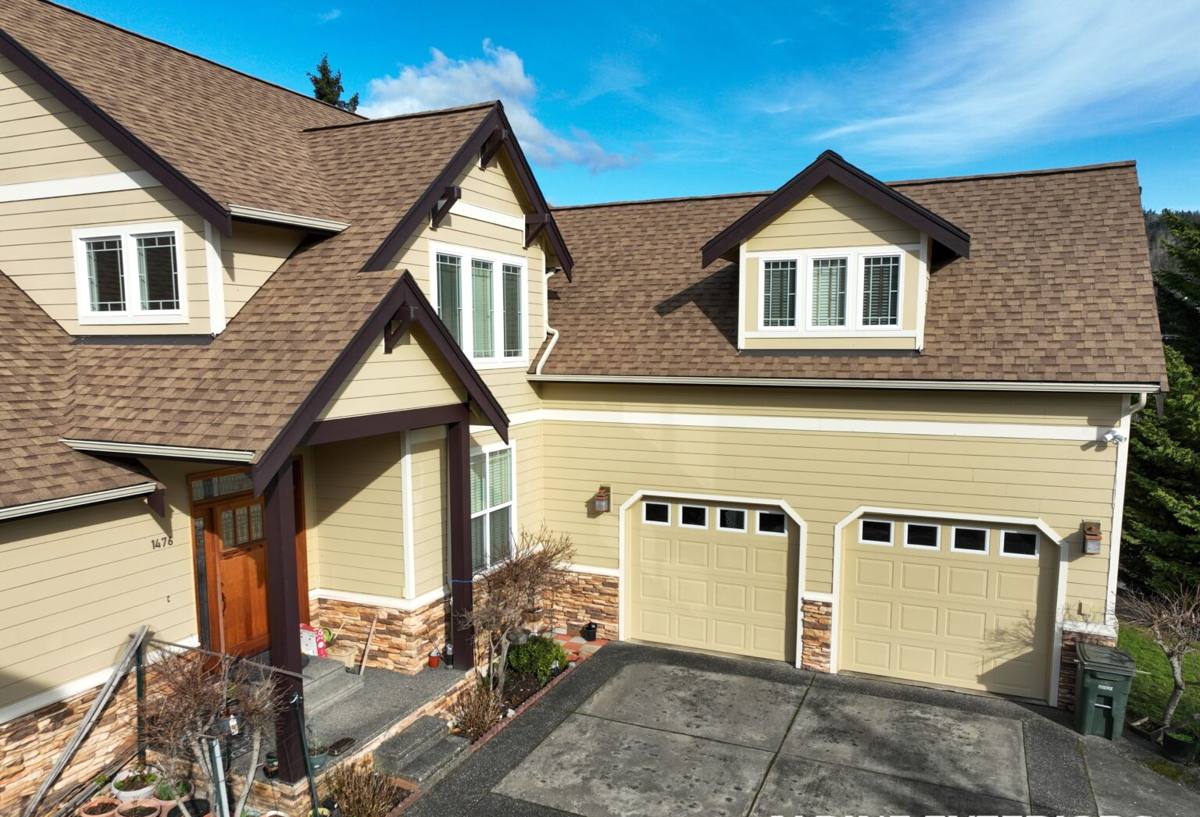
Older homes in this neighborhood often have steeper pitches, more hips and valleys, and smaller roof planes than newer construction. That means more seams, more flashing, and more cut panels — which raises both material waste and labor time compared to a simple gable roof. It also means panel profile matters: a wide, flat panel that looks great on a long straight run can look wrong and perform worse on a broken-up, multi-plane historic roofline. Part of doing this job correctly is matching the profile to the roof it's going on, not just installing whatever's in stock.
What a Correct Metal Roof Installation Involves
A metal roof is only as good as what's underneath it and around it. The visible panels get most of the attention, but the details that actually determine how the roof performs in a hurricane or a hard afternoon storm are mostly hidden once the job is done:
- Deck inspection and repair — any soft, rotted, or delaminated decking gets replaced before a single panel goes down
- Underlayment — a high-temperature, self-adhering underlayment rated for wind-driven rain, not a basic felt that degrades under Florida heat
- Fastening pattern — matched to current Florida Building Code wind requirements for Pinellas County, not a generic pattern pulled from a different climate zone
- Flashing at every penetration and transition — valleys, walls, chimneys, skylights, and roof-to-wall junctions, which is where the overwhelming majority of leaks actually originate
- Ventilation — proper intake and exhaust so heat and moisture don't get trapped under the panels, which shortens the life of both the roof and the attic below it
Skipping or rushing any one of these is how a metal roof that looks fine on installation day ends up leaking or lifting in its first real storm.
Material Choices for a Coastal Environment
Not all metal roofing is built for salt air. The base metal and its coating system matter as much as the panel style:
| Material | Coastal Performance | Typical Trade-Off |
|---|---|---|
| Aluminum | Naturally corrosion-resistant, a strong fit for homes closer to the water | Higher material cost than steel |
| Galvalume-coated steel | Good corrosion resistance for most inland and near-coastal applications | Coating quality varies by manufacturer; cut edges need proper sealing |
| Painted steel (quality coating system) | Solid performance when the coating is rated for coastal UV and salt exposure | Long-term performance depends heavily on coating quality, not just base metal |
| Copper (accent use) | Extremely long-lived, develops a natural patina over time | Highest material cost, typically used for accents rather than full roofs |
For a home in Old Northeast, we generally steer clients toward aluminum or a high-quality Galvalume system with a coastal-rated coating. Fasteners matter just as much as panels here — a stainless or coated fastener rated for coastal use costs more per piece but is the difference between a roof that still looks tight in ten years and one that's streaking with rust in three.
How We Work in Old Northeast Specifically
Working on a historic-character home in an established St. Petersburg neighborhood is different from a new-construction install in an open subdivision, and our process reflects that:
- On-site assessment of the existing roof structure, deck condition, and any architectural details worth preserving or matching
- Tree and canopy planning — coordinating trimming or protection of overhanging branches before work begins, since Old Northeast's mature tree cover means equipment access and debris control take more care than on an open lot
- Permitting handled up front through the appropriate Pinellas County and City of St. Petersburg channels before any work starts
- Property protection — tight lots, mature landscaping, and close-set homes mean staging materials and managing debris takes real planning, not just showing up with a dumpster
- Daily cleanup so the property, driveway, and street stay usable and safe for the household and neighbors throughout the project
We work in this neighborhood regularly, which means we already know what a typical Old Northeast roofline looks like, what the local permitting process requires, and how to keep a job site tidy on a lot where there's often less room to work with than a newer part of St. Petersburg or Pinellas County.
Maintenance and Realistic Lifespan
A properly installed metal roof in this climate can last considerably longer than asphalt shingles, but "low maintenance" doesn't mean "no maintenance." In a salt-air, tree-canopy environment like Old Northeast, a few simple habits go a long way:
- Rinse accumulated salt residue and organic debris off the roof surface periodically, especially after storms
- Keep gutters and valleys clear of leaves and organic buildup so water doesn't sit against seams and flashing
- Have flashing and sealant points checked after major wind events, not just when a leak shows up
- Trim back overhanging branches that scrape the panel finish or drop debris directly onto the roof
Homeowners who stay on top of these basics get the most out of the material's coastal-rated coatings and fasteners; homeowners who ignore them tend to see corrosion and coating failure show up years ahead of when it should.
What Drives the Cost of a Metal Roof Here
| Factor | Why It Matters in Old Northeast |
|---|---|
| Roof complexity | More hips, valleys, and dormers on older homes mean more cutting, flashing, and labor time |
| Panel and coating grade | Coastal-rated aluminum or Galvalume with a quality coating costs more upfront but resists salt corrosion far longer |
| Deck condition | Older decking sometimes needs repair or replacement before panels go on, which isn't always visible until tear-off |
| Access and site constraints | Tight lots, mature trees, and close-set neighboring homes can add time for staging and debris control |
| Fastener and flashing quality | Coastal-grade fasteners and properly detailed flashing cost more but are what actually prevents early failure |
Broad ranges are all any honest contractor can give before seeing the roof in person — anyone quoting a firm number over the phone for a metal roof on an older Old Northeast home hasn't actually looked at what they're pricing.
Questions Worth Asking Before You Sign a Contract
- Does the quote specify the exact panel material, gauge, and coating — or just "metal roofing"?
- Is the fastener type rated for coastal, salt-air exposure?
- What underlayment is being used, and is it rated for Florida heat and wind-driven rain?
- How will flashing be detailed at valleys, walls, and penetrations — not just "we'll flash it"?
- Is the contractor pulling the proper City of St. Petersburg or Pinellas County permits?
- What's the manufacturer's warranty, and what's covered under the installer's own workmanship warranty?
If you're ready to talk through options for your home, we're happy to take a look and put together a free, no-pressure estimate — just fill out the form below.