 St. Petersburg
 Board & Batten Siding in Old Northeast: A Style That Has to Earn Its Keep
Board and batten has a specific look — vertical panels with raised strips covering the seams — that shows up often on the bungalows, cottages, and character homes around Old Northeast. It reads as clean, vertical, and a little more architectural than a standard lap profile, which is part of why it keeps getting requested on renovations and additions in this part of St. Petersburg. But the style is only half the story. On a home a few miles from Tampa Bay, the material behind that look has to hold up to hurricane-force wind events, intense year-round UV, wind-driven rain, and salt-laden air. A board and batten profile that looks right on day one but wasn't built for this climate will show it within a few years — usually at the seams first.
This page is specifically about board and batten siding for homes in and around Old Northeast. Not a generic rundown of the style, and not our general Pinellas County siding page — this is what we've learned putting this specific profile on homes in this specific neighborhood, and what we think a correct installation actually requires here.
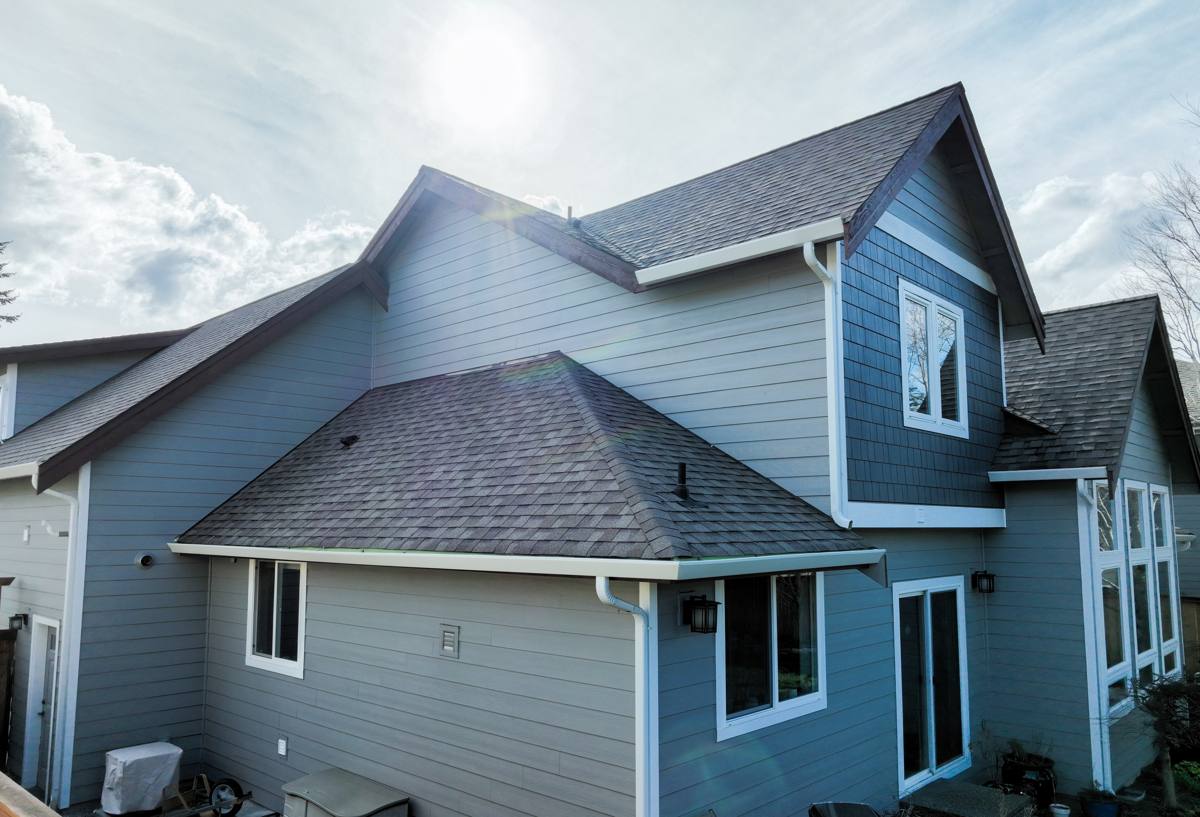
Why the Neighborhood's Climate Exposure Changes the Job
St. Petersburg sits on a peninsula between Tampa Bay and the Gulf, and Old Northeast's proximity to the water means the siding on these homes deals with a harder combination of stressors than siding a few counties inland:
- Hurricane-force wind: Pinellas County sees tropical systems and straight-line wind events that put real uplift and lateral load on vertical siding — every batten and panel edge is a place wind can try to get a grip.
- Year-round UV: Florida's sun cycle doesn't give siding an off-season. Factory-applied color has to resist fading and chalking through summers that are longer and more intense than most manufacturers' national warranty language assumes.
- Wind-driven rain: Storms here don't just fall straight down — wind pushes rain sideways into vertical seams and batten joints, which is exactly where a board and batten system is most vulnerable if it wasn't detailed correctly.
- Salt air: Being close to the bay means airborne salt settling on siding, trim, and fasteners year-round, which accelerates corrosion on anything that isn't rated for coastal exposure.
None of that is unique to Old Northeast — it's Pinellas County and much of coastal Florida. But it's the reason a board and batten job here needs to be treated differently than the same style installed on a home in a drier, inland climate.
Older Homes Add Another Layer
A lot of the housing stock in and around Old Northeast predates modern wall assembly standards. That means older sheathing, older or absent weather-resistive barriers, and wall cavities that weren't built with today's moisture-management expectations. Installing new siding — board and batten especially, since it relies on vertical drainage paths — over an old wall system without addressing what's underneath is how you trade a cosmetic problem for a structural one a few years down the road.
What a Correct Board & Batten Installation Actually Involves
The "batten" part of board and batten is also the part most likely to fail if it's rushed. Battens create seams, and seams are where water either sheds correctly or finds its way behind the siding. A correct installation isn't just nailing strips over panel joints — it's a system:
| Component | What it does | Why it matters here |
|---|---|---|
| Weather-resistive barrier | Continuous drainage plane behind the panels | Gives wind-driven rain that gets past the battens somewhere to go besides your sheathing |
| Vertical furring or rainscreen gap (where called for) | Space for water to drain and air to dry the wall assembly | Salt air and humidity mean trapped moisture doesn't dry out on its own — it has to have somewhere to go |
| Fastening pattern | Nailing schedule sized to the product and the wind zone | Pinellas County's wind exposure means the manufacturer's minimum fastening spec is not optional |
| Batten placement and caulking | Covers panel seams and seals penetrations | This is the first line of defense against wind-driven rain finding a way in |
| Corrosion-resistant fasteners and flashing | Hardware rated for coastal/salt exposure | Standard fasteners corrode faster this close to the bay, which telegraphs through the finish as staining |
Skip or shortcut any one of these and the siding can still look right for a while. The failures that show up later — streaking at batten joints, soft spots, fastener bleed-through — almost always trace back to one of these steps being skipped, not to the material itself.
Why We Only Build This Look in James Hardie Fiber Cement
Board and batten can technically be built out of several materials, and we get asked about all of them. Here's our honest position on each, and why we standardized on one:
Real wood board and batten
Wood gives you the most traditional, authentic version of this look, and on the right historic-character home it's hard to beat visually. The trade-off is maintenance: wood needs regular repainting and sealing to survive Florida's UV and humidity, and it's genuinely vulnerable to rot and pest damage if that maintenance schedule slips — which, realistically, it eventually does. We're not going to pretend that trade-off doesn't exist.
Vinyl board and batten panels
Vinyl is the least expensive route to this profile and requires very little upkeep. But it's a thin plastic product — it can crack or blow off in high wind, it visibly warps under sustained heat, and its color isn't as durable under years of intense Florida UV as a baked-on factory finish. We don't consider it a match for this climate or for the look homeowners are usually going for with board and batten in the first place.
LP SmartSide and other engineered wood
Engineered wood products have real strengths, but they're wood-based, which means they carry more sensitivity to sustained moisture exposure than fiber cement — and moisture exposure is not something we can promise Pinellas County won't deliver. Given the choice, we don't put our name behind an engineered wood product in a coastal wind-driven-rain climate when a non-combustible fiber cement alternative exists.
James Hardie fiber cement — what we actually install
The board and batten look on our jobs is built from HardiePanel vertical fiber cement siding with HardieTrim boards used as the battens over the seams. It's non-combustible, it's manufactured in a climate-engineered HZ5 formulation for Gulf Coast and Southeast humidity, and it carries a factory-applied ColorPlus finish that's baked on rather than field-painted — which matters directly for UV resistance and for how the color holds up through a St. Petersburg summer. It also carries a strong transferable warranty, which matters if this home changes hands down the road.
We're not installing this because it's the only option that exists — it's the one we're willing to put our name behind, installed to spec, for this climate.
Our Process for Old Northeast Jobs
- On-site assessment: we look at the existing wall assembly, sheathing condition, and current siding — not just the finish coat but what's behind it — before quoting anything.
- Scope decision: tear-off to sheathing versus other approaches depends on what we find underneath. On older homes in this area, we don't guess — we open it up enough to know.
- Drainage and barrier detailing: weather-resistive barrier and drainage path get addressed as part of the job, not assumed to already be adequate.
- Panel and batten installation to Hardie's HZ5 spec: fastening schedule, batten spacing, and sealant details follow the manufacturer's requirements for this wind zone — not a shortcut version of them.
- Trim, flashing, and corrosion-resistant hardware: everything that touches the wall assembly is rated for coastal exposure, not just the panels themselves.
- Walkthrough: we go over what was done and what maintenance, if any, the finish actually needs going forward.
If your home sits in a locally designated historic area, exterior changes may need to go through the city's historic preservation review process before work starts. We're glad to work alongside that process, but confirming what applies to your specific property is worth a call to the city — we won't guess at requirements we're not the authority on.
What to Check Before You Sign With Anyone for This Job
- Are they quoting an actual fastening schedule and drainage detail, or just "we'll put up new siding"?
- Is the product rated for Gulf Coast / coastal humidity (HZ5 or equivalent), or a generic national-spec version?
- Are fasteners and flashing specified as corrosion-resistant for salt air exposure?
- Do they have a plan for what's found once old siding comes off, or is that a change-order surprise later?
- Is the warranty transferable, and do you understand what it actually covers?
- Have they worked in this neighborhood before and dealt with its older wall assemblies and tighter lots?
Maintenance and Longevity Once It's Installed
One of the practical advantages of fiber cement with a factory finish is how little it asks of you afterward. It won't need repainting on the schedule wood siding does, and it isn't prone to the UV-driven fading and warping that shortens vinyl's usable life in this climate. That said, no siding is maintenance-free near the bay — an occasional rinse to clear salt residue and a yearly look at caulking around seams, trim, and penetrations is a reasonable habit, and it's a lot less than what wood or vinyl board and batten demands over the same years.
Why a Crew That Already Works Old Northeast Matters
Board and batten installation quality comes down to details most homeowners never get shown — how the drainage plane is handled, how the battens are fastened, whether the fastening schedule actually matches Pinellas County's wind requirements. A crew that's already worked this neighborhood has seen what's typically behind the walls of its older homes, understands the lot sizes and access constraints that come with mature tree canopy and closer-set homes, and isn't learning the area's quirks on your project. That familiarity shows up in fewer surprises mid-job and a finished result that's actually built for where it's going, not just how it looks in a photo.
If you're considering board and batten siding for a home in Old Northeast, we're happy to take a look and put together a straightforward, no-pressure estimate — no obligation, just an honest read on what your home needs. Use the form below to get started.