 St. Petersburg
 Decks Built for Old Northeast's Older Homes
Old Northeast is one of St. Petersburg's most distinct neighborhoods — mature oak canopy, brick-paved streets, and a mix of bungalows, Mediterranean Revival homes, and other early-20th-century construction. Adding or replacing a deck here isn't the same job as a deck on a 2015 stucco build in a new subdivision. The house is older, the lot is often shaded, the grade and drainage patterns have had a hundred years to settle into whatever they're going to be, and in many cases the home's character matters as much to the owner as the deck's function. A deck that ignores any of that ends up looking bolted-on and aging faster than it should.
We build decks in St. Petersburg and across Pinellas County regularly, and Old Northeast comes with its own short list of things worth getting right before the first post hole is dug.
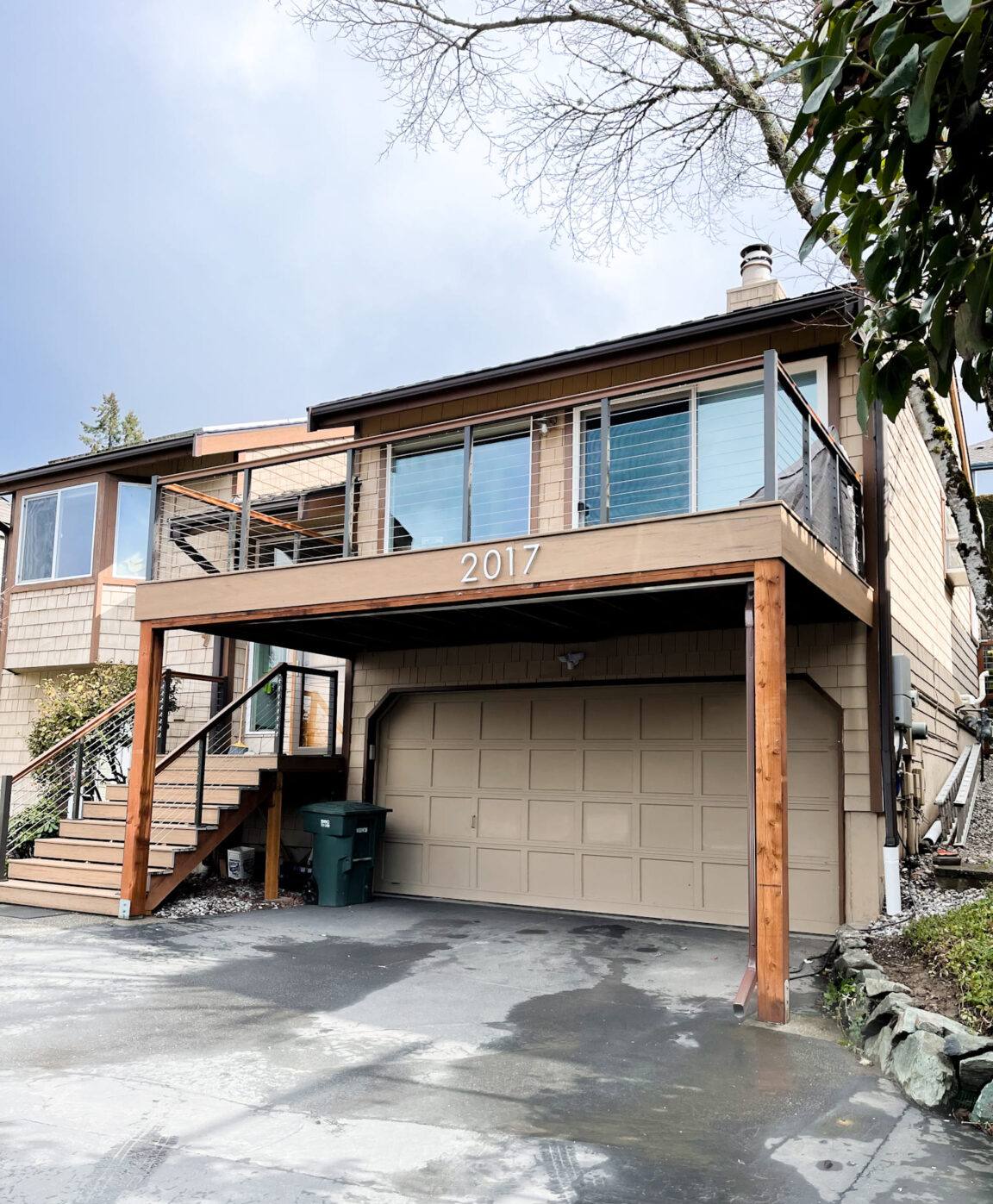
What Pinellas County Climate Does to a Deck
St. Petersburg sits on a peninsula between Tampa Bay and the Gulf, and that location shapes how a deck ages, for better and worse. A few realities apply to every deck we build here, Old Northeast included:
- Hurricane-force wind: framing, post connections, and railing attachment all need to hold up under storm-force loads, not just everyday use.
- Intense, near-constant UV: unprotected wood grays and checks quickly; some composite decking fades faster under Florida sun than its marketing suggests.
- Wind-driven rain: water gets pushed sideways into ledger connections, fascia, and any gap where it shouldn't be, not just straight down.
- Salt air: even a mile or two inland from the bay, airborne salt accelerates corrosion on fasteners, brackets, and any exposed metal hardware.
None of that is unique to Old Northeast — it's true anywhere in St. Petersburg and most of Pinellas County. What's different in Old Northeast is the layer of older-home conditions stacked on top.
What's Different About Building in Old Northeast Specifically
Mature Tree Canopy
The oak canopy that makes Old Northeast's streets attractive also means many backyards get heavy shade and leaf litter. Shade slows down moisture evaporation after rain, so decking in these yards stays damp longer than decking in full sun. That changes which materials make sense and how important proper ventilation under the deck becomes. It also means gutters and debris cleanup matter more here than on an open, sunny lot — trapped leaves against ledger boards or between deck boards hold moisture right where you don't want it.
Older Homes, Older Ledger Connections
A deck attached to the house ties into the ledger board, which ties into the home's rim joist and framing. On an older home, that framing may have been repaired, altered, or built to standards that predate current code. Before we attach anything, we look at what's actually behind the siding — not what a plan set from decades ago assumed was there. On some older homes, a freestanding deck design that doesn't rely on the house's structure at all is the more honest answer.
Character and Streetscape
A lot of Old Northeast homeowners care about how a deck reads against a historic-style house — proportions, railing style, and material tone matter for curb appeal even in a backyard, and especially anywhere visible from the street or a neighbor's sightline. We design decks to complement the house rather than look like a generic add-on.
Access and Site Conditions
Brick streets, mature landscaping, and tighter lots in older neighborhoods can limit where equipment and material deliveries can stage. Knowing the neighborhood in advance means we plan logistics before the crew shows up, not after a truck is already stuck.
Choosing the Right Decking Material
There's no single "best" decking material — the right choice depends on how much shade the deck gets, how much maintenance the owner wants to do, and budget. Here's how the common options actually compare for a shaded or partly-shaded Old Northeast lot near the bay:
| Material | Upfront Cost | Maintenance | How It Handles This Climate |
|---|---|---|---|
| Pressure-treated wood | Lowest | Annual cleaning and re-sealing | Affordable and repairable, but needs consistent upkeep to resist UV graying and moisture in shaded areas |
| Composite decking | Mid to high | Occasional washing, no sealing | Resists rot well; quality varies a lot by product line, so we're selective about which composites we'll stand behind |
| PVC/capped decking | Highest | Low | Best moisture resistance of the three, holds up well in shaded, damp yard conditions |
| Tropical hardwoods (e.g., ipe) | High | Periodic oiling for color, otherwise durable | Naturally dense and rot-resistant, but heavy, hard to work with, and pricier to source and install |
We'll walk through these trade-offs honestly during an estimate rather than pushing whatever has the best margin. If a homeowner wants low-maintenance and the yard stays damp under tree cover, that steers the conversation one direction. If matching a historic wood-look aesthetic matters more than minimizing upkeep, that steers it another.
Structure: What Actually Holds a Deck Together
Decking material is the part everyone sees. The framing underneath is what determines whether the deck is still solid in ten years and still standing after a named storm. In Pinellas County, that means designing to the wind loads in the Florida Building Code, not just whatever the lumber yard's standard span tables assume for a milder climate.
Footings and Posts
Post footings need to be sized and set to the depth the soil and load actually require, not a one-size-fits-all guess. On older lots, we also check existing grade and drainage before setting footings, since decades of landscaping changes can leave water pooling somewhere it wasn't originally meant to.
Ledger Attachment or Freestanding Design
Where a deck ties into the house, the ledger board connection is one of the most safety-critical parts of the whole structure — it has to be flashed correctly to keep water out of the house and bolted to solid framing, not just nailed to siding. As noted above, on some older homes a freestanding design is the more reliable path.
Hurricane-Rated Hardware
Post-to-beam and beam-to-joist connections get galvanized or stainless structural connectors rated for the wind conditions here, not just toe-nailed lumber. Every fastener and bracket is chosen for corrosion resistance given the salt air, since standard interior-grade hardware corrodes visibly faster once it's outdoors near the bay.
Our Process for a Deck Build
- Site visit: we look at existing grade, drainage, tree canopy, and the home's framing before proposing a design.
- Design and material selection: we walk through decking and railing options against the budget and how much sun or shade the space actually gets.
- Permitting: deck permits go through the city, and we handle the application and required inspections as part of the job.
- Framing: footings, posts, beams, and joists go in to code-minimum wind and load specs, using corrosion-resistant hardware throughout.
- Decking and railing installation: boards and railing go in with attention to fastening method, spacing for drainage, and finish detail.
- Final inspection and walkthrough: we confirm the finished deck with the homeowner and make sure any required city inspection is signed off.
We don't skip the permit step to save time. An unpermitted deck can complicate a home sale down the road and, more importantly, means nobody outside our own crew ever checked the structural work.
Fasteners and Hardware — The Part Nobody Notices Until It Fails
Most deck problems that show up a few years in trace back to hardware, not decking boards. Standard zinc-coated screws and brackets corrode faster in salt air than most homeowners expect, leaving rust streaks on the decking and, eventually, a weaker connection. We use stainless steel or high-grade coated fasteners rated for coastal exposure, along with hidden fastening systems on composite and PVC decking where the product supports it, so there are fewer exposed screw heads to corrode and stain the surface in the first place.
Keeping a Deck in Good Shape Over Time
A well-built deck in this climate still needs some ongoing attention, especially under a tree canopy. A simple seasonal routine goes a long way:
- Clear leaves and debris from between boards and off the top of footings after storms and seasonal leaf drop.
- Check railing and stair connections for looseness once or twice a year.
- Rinse pollen, salt residue, and mildew off the surface periodically, especially in shaded areas that stay damp longer.
- Re-seal or re-stain wood decking on the schedule the product calls for — don't wait until it's visibly gray and dry.
- Look underneath occasionally for standing water or debris buildup against framing members.
None of this is complicated, but skipping it is how a properly built deck ends up needing early repairs anyway.
Why a Crew That Knows Old Northeast Matters
A deck built by a crew that hasn't worked in older St. Petersburg neighborhoods before will often default to generic assumptions — standard ledger attachment, standard footing depth, standard material recommendations — without accounting for what's actually different about an older home under mature tree cover near the bay. A crew that already works Old Northeast has seen how these lots drain, how these homes are typically framed, and what tends to go wrong when those details get overlooked. That familiarity shows up as fewer surprises during construction and a deck that's designed around the property it's actually built on, not a generic template.
If you're planning a new deck or replacing an aging one in Old Northeast, we're happy to take a look and give you a straightforward, no-pressure estimate — just fill out the form below.