 St. Petersburg
 Old Northeast Homes Need Siding Built for St. Petersburg's Climate
Old Northeast is one of St. Petersburg's oldest and most recognizable neighborhoods — a mix of bungalows, Mediterranean Revival cottages, and early 20th-century two-stories set along tree-lined streets close to the water. Many of these homes are pushing eighty to a hundred years old, and a lot of them are still wearing siding that was never designed for what Pinellas County weather actually does to a house. When we get called out to Old Northeast, we're usually looking at original wood lap siding that's been patched, painted, and re-painted for decades, or a past vinyl or fiber cement job that was installed without much thought for the neighborhood's exposure to wind, sun, and salt.
This page is about one thing: replacing that siding correctly, with one product, on homes in this specific part of St. Petersburg. We only install James Hardie fiber cement siding — no LP SmartSide, no vinyl, no Cemplank or Allura, no primed wood. We'll explain why below, but the short version is that Old Northeast's combination of storm exposure, UV load, and proximity to Tampa Bay's salt air punishes anything less than a purpose-built product installed to spec.
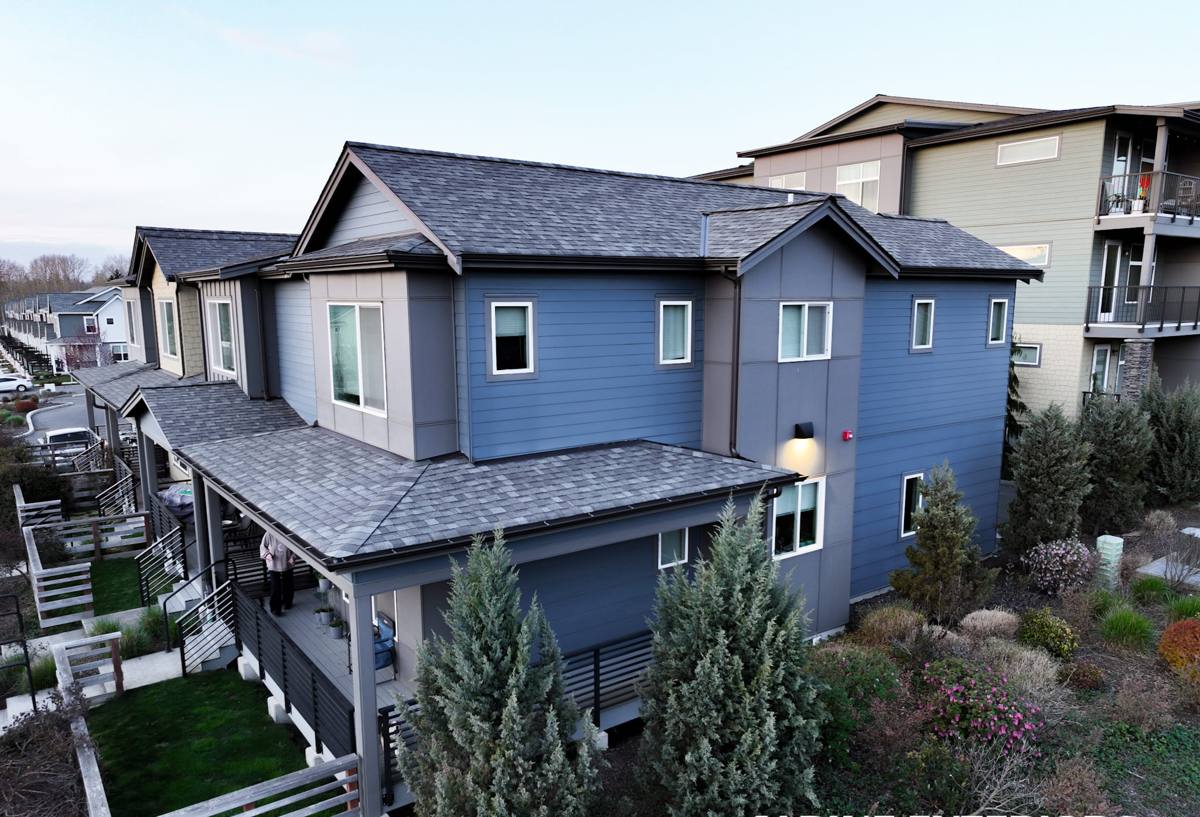
What This Climate Actually Does to Old Northeast Siding
Hurricane-Force Wind
St. Petersburg sits in a wind zone that gets tested almost every hurricane season. Siding on an older Old Northeast home has to survive sustained gusts and the debris that comes with them — and it has to stay fastened at every course, not just at the corners. Loose or poorly nailed lap siding is one of the first things that peels off a house in a tropical storm, and once water gets behind the wall, the damage compounds fast.
Intense, Year-Round UV
Florida sun doesn't take a season off. Paint film on original wood siding breaks down under constant UV exposure, which is why so many Old Northeast homes are on a repaint cycle of every few years instead of every decade. Color fades unevenly on the sunward side of a house, and once the paint film cracks, moisture gets a way in.
Wind-Driven Rain
Rain in St. Petersburg rarely falls straight down during a storm — it's driven sideways into walls, soffits, and window trim. Siding, flashing, and house wrap all have to work together to shed that water back out instead of trapping it against the sheathing. This is a system problem, not just a siding problem, and it's where a lot of older homes fall short.
Salt Air
Old Northeast's proximity to Tampa Bay means a steady drift of salt-laden air across every home in the neighborhood, even blocks from the water. Salt accelerates corrosion on fasteners and trim, and it degrades some coatings faster than inland products are rated for. Anything installed here needs hardware and finishes suited to a coastal-adjacent environment, not a generic inland spec.
Why We Install Only James Hardie Fiber Cement
We made a deliberate decision as a company to install one product line: James Hardie fiber cement, in the HZ5 formulation engineered for high-humidity, high-moisture climates like ours. Fiber cement is non-combustible, doesn't swell or rot the way wood can, and holds its shape through repeated wet-dry cycles far better than composite or engineered-wood products. James Hardie's ColorPlus finish is a factory-applied, baked-on coating that resists UV fade far longer than field-applied paint — which matters enormously in a market where the sun is the enemy twelve months a year.
We're not going to tell you every alternative product is junk — vinyl, LP SmartSide, and other fiber cement brands all have legitimate uses somewhere. But for the specific combination of hurricane wind, UV, wind-driven rain, and salt air that Old Northeast homes face, we don't think those products hold up as well over a 30- to 50-year ownership horizon, and we've standardized on the one we trust to be on our own homes.
What a Correct Fiber Cement Installation Involves
Tear-Off and Substrate Inspection
On a neighborhood this old, you don't just cover over what's there. We remove the existing siding down to the sheathing and inspect for rot, delamination, or termite damage before anything new goes up. On homes with original wood siding, this step regularly turns up moisture damage that's been hidden for years — better to find it now than after new siding is on top of it.
Weather-Resistive Barrier and Flashing
A new, continuous weather-resistive barrier goes over the sheathing, with proper flashing at every window, door, and penetration. This is the layer that actually stops wind-driven rain from reaching your wall assembly — the siding itself is the second line of defense, not the first.
Fastening to Wind Zone Spec
James Hardie publishes specific fastener patterns and nailing schedules for high-wind zones, and Pinellas County's building code reflects the wind exposure this area actually sees. We fasten every course to that spec — corrosion-resistant fasteners, correct spacing, correct embedment — because this is exactly the detail that fails first in a storm when it's skipped.
Joints, Caulking, and Trim
Butt joints get properly flashed or backed, not just caulked and hoped for. Trim details around windows, doors, and roof lines are finished to shed water outward. These are small details that separate a siding job that looks right on day one from one that performs right for thirty years.
Matching Siding to Old Northeast's Architectural Character
Old Northeast is a visually distinct neighborhood, and a lot of homeowners here care as much about how the house looks as how it performs. James Hardie's product lines give us the range to match that character instead of flattening every home into the same look.
- HardiePlank lap siding in traditional reveal widths for bungalow and Craftsman-style homes, keeping the horizontal lines these houses were designed around.
- HardieShingle for gable accents or full elevations on cottages that originally had a shingled look.
- Stucco-adjacent trim and panel details where a home has Mediterranean Revival massing and needs siding that complements rather than competes with existing stucco or masonry elements.
- ColorPlus finishes in a range of tones, so repainting isn't a recurring maintenance item the way it is with field-painted wood.
If your home falls within a locally designated historic district overlay, exterior changes may be subject to design review by the city. We're used to working within those constraints and can help you understand what documentation or approval steps apply before work starts — we won't guess at requirements we haven't confirmed for your specific property.
Our Process, Start to Finish
- Free on-site estimate. We walk the whole exterior, check the substrate where we can, and talk through what your home actually needs — not a generic package.
- Written scope and product selection. You get a clear breakdown of the Hardie profile, color, and trim package, plus what tear-off and prep involves for your house specifically.
- Permitting. We pull the required permits through the City of St. Petersburg and handle any historic district coordination if your home requires it.
- Tear-off and substrate repair. Old siding comes off, damaged sheathing gets repaired, and the wall is inspected before anything new goes on.
- Weather barrier, flashing, and installation. Installed to James Hardie's published specs for our wind zone and climate designation.
- Final walkthrough and warranty registration. We review the finished job with you and make sure your James Hardie warranty is properly registered.
Cost Factors for an Old Northeast Siding Project
Every home is different, and we won't quote a number without seeing the house, but these are the factors that most often move the price on a project in this neighborhood:
| Factor | Why It Matters Here |
|---|---|
| Age and condition of existing sheathing | Older Old Northeast homes more often need substrate repair once old siding comes off |
| Siding profile complexity | Mixed lap, shingle, and trim details on bungalows and Mediterranean Revival homes take more labor than a single flat profile |
| Tear-off vs. overlay | We don't recommend overlay on this climate — full tear-off costs more upfront but avoids trapping moisture |
| Site access | Mature trees, narrow lots, and close-set homes common in this neighborhood can affect staging and labor time |
| Historic district requirements | Design review, if applicable, can affect timeline and product/color selection |
| Trim and detail work | Original architectural trim is often worth preserving or matching, which adds finish carpentry time |
Why Hiring a Crew That Already Works in Old Northeast Matters
A siding installer who's never worked in this neighborhood doesn't know its quirks: the age of the typical housing stock, the tree canopy that affects access and drainage, the wind exposure this close to the bay, or what the city expects for permitting on a home with historic character. A crew that already works here has already solved those problems on other houses nearby, and that experience shows up in fewer surprises and fewer callbacks.
Before you hire anyone for siding work in St. Petersburg, especially on an older home, it's worth checking a few things:
- Are they a certified installer for the specific product they're proposing, not just "familiar" with it?
- Do they carry current general liability and workers' compensation coverage?
- Will they pull permits in their name, or ask you to pull an owner-builder permit to skip oversight?
- Can they explain the fastening and flashing details they'll use for this wind zone, specifically?
- Do they have experience with historic district requirements if your home is subject to them?
- Is the warranty backed by the manufacturer directly, or only by the contractor's own guarantee?
A contractor who can answer all of those without hesitation is one who's actually done this work before, in this kind of neighborhood, not just somewhere generically similar.
Get a Straight Answer About Your Home
If your Old Northeast home has siding that's cracking, peeling, or past its useful life, we're happy to take a look and give you an honest read on what it needs — no pressure, no upsell to a product we wouldn't put on our own house. Request a free estimate using the form below and we'll walk you through what correct fiber cement installation looks like for your specific home.