 St. Petersburg
 Siding Replacement for a Neighborhood Built to Last — If the Materials Do Their Part
Historic Kenwood is one of St. Petersburg's older, architecturally distinct neighborhoods, known for its concentration of bungalow and Craftsman-style homes dating back to the early twentieth century. That history is part of what makes the neighborhood worth protecting — and part of what makes siding replacement here different from a standard job on a newer Pinellas County subdivision home. The framing, sheathing, and original exterior details on a home this age were built for a different era of materials and a different set of expectations. When it's time to replace the siding, the goal isn't just to put something new on the wall — it's to protect a home that's already outlasted several generations of exterior products, using something that will actually hold up under this county's climate for decades to come.
We work on homes throughout St. Petersburg and Pinellas County, and Kenwood shows up on our schedule often enough that we've come to recognize its patterns: the type of siding damage that's common on homes this age, the surprises that turn up once the old material comes off, and what it takes to replace siding on a historic-character home without making it look out of place.
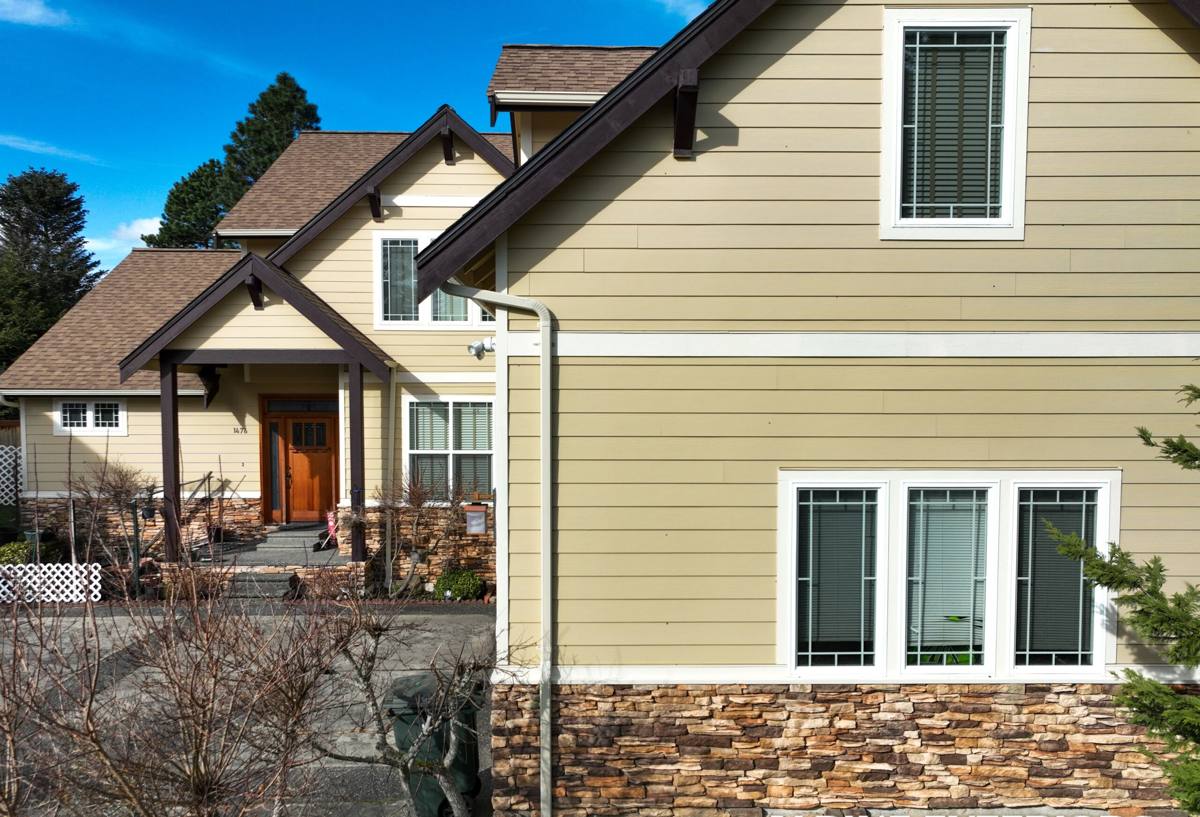
How St. Petersburg's Climate Works Against Older Siding
Every siding material on a St. Petersburg home is fighting the same four things year-round: hurricane-force wind events, intense and near-constant UV exposure, wind-driven rain that gets pushed sideways into wall assemblies, and salt-laden air drifting in off the Gulf and Tampa Bay. None of that is unique to Kenwood, but older homes tend to feel it more acutely for a simple reason — they've already absorbed decades of that punishment, often through multiple layers of siding, patch repairs, and paint jobs that were never meant to be permanent fixes.
- Wind: Pinellas County's wind-load requirements are strict for good reason, and any new siding has to be installed to hold under storm-force gusts, not just look good on a calm day.
- UV: Florida's sun breaks down paint film and cheaper composite materials faster than in most of the country, which is why factory-applied, UV-stabilized finishes matter more here than almost anywhere else.
- Wind-driven rain: Water doesn't just fall straight down in a coastal storm — it gets driven horizontally into laps, seams, and trim joints, which is where most hidden rot starts.
- Salt air: Airborne salt accelerates corrosion of fasteners and metal flashing and can degrade certain finishes faster than inland climates would predict.
On an older Kenwood home, these forces have usually already had 60, 80, or 100 years to work. That history shapes how we approach the tear-off and what we look for once the old siding comes down.
What's Usually Hiding Under the Original Siding
Homes in Historic Kenwood were often built with wood lap siding or wood shingle siding, sometimes with later layers of asbestos-cement shingle, aluminum, or vinyl siding installed directly over the original material rather than removing it. That layering history means a siding replacement here is rarely a simple strip-and-replace. Once we open the wall, we're commonly dealing with:
- Multiple historical layers of siding stacked on top of each other, each adding weight and trapping moisture between layers
- Original wood sheathing that may be sound in some areas and soft or delaminated in others, especially near ground level and around window and door openings
- Old or missing weather-resistive barrier — many homes this age were built before modern housewrap was standard practice
- Settled or slightly out-of-plane framing, which is normal for a home of this age but affects how new material needs to be fitted and fastened
- Old fasteners and flashing showing corrosion consistent with decades of salt air exposure
None of this is a reason to be alarmed — it's simply what an honest inspection of an older home in this climate tends to reveal. It is, however, the reason we don't quote a Kenwood siding job sight unseen. What we find during tear-off directly affects the scope, and a contractor who doesn't plan for it is a contractor who either hasn't done this kind of house before or is planning to cut corners when they hit something unexpected.
Why We Only Install James Hardie Fiber Cement — Especially on a Home Like This
We install exclusively James Hardie fiber cement siding. We don't offer vinyl, LP SmartSide, Cemplank, Allura, primed spruce, or cedar, and on a historic-character home the reasoning matters even more than usual.
Vinyl siding has a look and installation method that doesn't hold up well against the architectural detailing common on bungalow and Craftsman homes — deep trim, distinct reveals, and shingle-style accents that vinyl profiles struggle to replicate convincingly. It also softens and can distort in intense, sustained heat, which is a real consideration on a Florida wall that faces direct sun most of the year.
Wood-based products — cedar, primed spruce, and engineered wood options like LP SmartSide — can be finished to closely match a historic profile, which is their real advantage. But they carry ongoing moisture and maintenance obligations that are harder to manage in a climate with this much humidity, wind-driven rain, and salt exposure. Engineered wood siding depends on edge sealing and paint maintenance staying ahead of moisture intrusion; when that maintenance slips — which happens on real homes with real budgets — the product is more vulnerable to swelling and deterioration than fiber cement.
Other fiber cement brands, like Cemplank and Allura, are legitimate products, but we've standardized on James Hardie specifically because of its ColorPlus factory-applied finish, its HZ5 product engineering for humid climates, and the strength of its transferable warranty when the product is installed to spec. For a home where we're often also correcting decades of prior workarounds, we want a product with a track record we trust completely — not one more variable to manage on top of the ones the house already presents.
James Hardie Product Lines That Fit a Historic-Style Home
| Hardie Product | What It Replicates | Where It Fits on a Kenwood Home |
|---|---|---|
| HardiePlank lap siding | Traditional wood lap siding, in multiple exposure widths | Main wall surfaces, matched to the home's original reveal |
| HardieShingle siding | Individual or staggered wood shingle siding | Gable ends, dormers, and accent areas common on bungalow-era homes |
| HardieTrim boards | Traditional wood trim, corner boards, and fascia | Window and door surrounds, porch detailing, corner trim |
| ColorPlus finishes | Factory-applied, UV-cured color coat | Historic-appropriate color palettes without relying on field-painting |
Matching the right combination of these products to a specific home's existing detailing is a big part of getting a historic-character replacement to look right rather than looking like a generic upgrade.
Permits and Design Considerations in a Historic District
Because Historic Kenwood is a recognized historic district, exterior changes that are visible from the street can be subject to additional review through the City of St. Petersburg beyond a standard building permit, depending on the scope of work and the specific guidelines that apply to the property. We're not going to guess at every rule that might apply to your particular home — that's something to confirm directly with the city before work begins, and it's a step we help homeowners think through rather than skip. What we can say is that fiber cement siding, installed in a profile and reveal that matches traditional wood lap or shingle siding, is generally a strong fit for maintaining a home's historic appearance while meeting current building code for wind resistance and moisture management.
A permit pulled correctly, with the right documentation, protects the homeowner — it's not paperwork for its own sake. It's also the difference between a job that's inspected and verified, and one where problems don't surface until years later.
Our Process for a Historic Kenwood Siding Replacement
The steps themselves aren't exotic, but the attention paid at each one is what separates a correct job from a fast one, especially on a house this age.
- On-site inspection: We look at existing siding condition, trim detailing, layering history, and any visible signs of moisture intrusion before we ever write a scope.
- Scope and product selection: We match Hardie plank widths, shingle patterns, and trim profiles to the home's existing architectural character, and discuss ColorPlus color options.
- Permitting: We pull the required City of St. Petersburg permit and flag if the property may need additional historic district review.
- Tear-off: Old siding and any hidden layers come off down to the sheathing, so nothing is covered up or built over.
- Substrate repair: Any soft, rotted, or delaminated sheathing is repaired or replaced before anything new goes back on — this is not an optional step.
- Weather barrier and flashing: A proper weather-resistive barrier and correctly lapped flashing go in at every window, door, and penetration, engineered for wind-driven rain.
- Installation to wind-zone spec: Fastener type, spacing, and pattern follow Hardie's installation requirements for our wind zone — not shortcuts that happen to look fine until the next storm.
- Final trim and detail work: Corner boards, window trim, and any shingle accents are finished to match the home's original lines.
What to Ask Before Hiring a Siding Contractor for a Kenwood Home
- Have you worked on homes in Historic Kenwood or similar bungalow-era neighborhoods before?
- What happens to your quote if you find rotted sheathing or multiple old siding layers once tear-off starts?
- Will you help identify whether this property needs historic district review, or is that left entirely to me?
- Which James Hardie product lines and reveal widths do you recommend to match my home's existing detailing?
- Is a full building permit being pulled for this job, and will the work be inspected?
- What does the manufacturer's warranty cover, and does it stay with the house if I sell?
If a contractor can't answer these clearly, or seems unfamiliar with the idea that historic-character homes need different handling than a standard tract house, that's worth taking seriously before you sign anything.
Why Local Experience in This Neighborhood Actually Matters
A crew that already understands Kenwood's housing stock isn't guessing about what's likely under the siding, isn't surprised by the permitting questions that come up on a historic district property, and isn't improvising a plan to match a home's existing trim detailing for the first time on your house. That familiarity shows up in fewer change orders, fewer surprises mid-project, and a finished result that respects the character of the home instead of flattening it into whatever's easiest to install. Combined with a wind- and moisture-engineered James Hardie system installed to code for Pinellas County's climate, it's the difference between siding that's simply new and siding that's actually built to last on a home like this.
If you own a home in Historic Kenwood and want an honest look at what your siding needs — whether that's a full replacement or just a clear-eyed assessment of what's there now — we're glad to come take a look. Reach out for a free, no-pressure estimate using the form below.