 St. Petersburg
 Windows Built for a Waterfront Neighborhood
Gulfport sits right on Boca Ciega Bay, tucked into the western edge of St. Petersburg with water on multiple sides and very little in the way of a buffer from open weather. That location is a big part of what makes the neighborhood what it is, but it also means the windows on Gulfport homes work harder than windows almost anywhere else in Pinellas County. Salt-laden air moves through constantly, afternoon sun beats on west- and south-facing glass for most of the year, and when a tropical system tracks anywhere near Tampa Bay, Gulfport is in the direct path of wind and wind-driven rain. A window that would hold up fine in a landlocked subdivision can fail early here, and a window that's installed correctly for this environment will outlast one that isn't by years, sometimes decades.
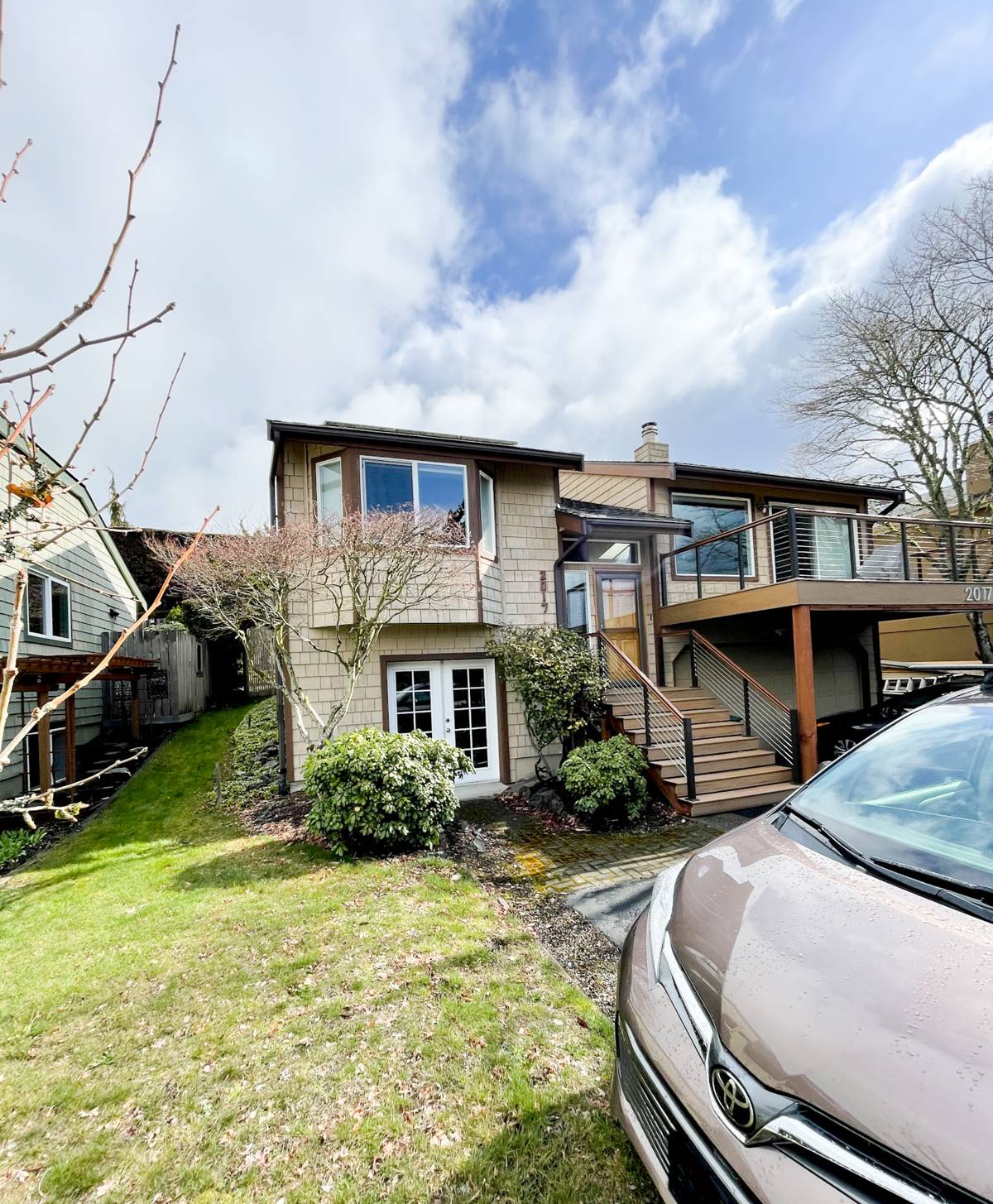
This page is specifically about custom window installation and replacement for homes in Gulfport — the older bungalows near the downtown waterfront, the mid-century block homes on the interior streets, and the newer construction and renovations mixed throughout. The building stock varies more than in a typical subdivision, which is exactly why "custom" matters here: stock sizes and one-size-fits-all install methods don't hold up as well on this kind of housing mix.
What the Local Climate Actually Does to Windows
Wind and Storm Pressure
Gulfport's exposure to Boca Ciega Bay and the Gulf beyond it means wind loads are a real design factor, not a formality. During tropical storms and hurricanes, window and door openings are one of the most common failure points in a home's building envelope — once wind gets inside through a broken or poorly anchored window, roof and interior damage follows fast. Windows here need to be rated and installed for the wind pressures Pinellas County code requires, with anchoring and glazing that match the exposure of the specific wall they're going into.
UV Exposure and Heat
Florida sun is intense and it's relentless nearly year-round. UV breaks down cheap vinyl frames, degrades seals, and fades interior finishes faster than most homeowners expect. Low-E glass coatings and UV-stable frame materials aren't a luxury upgrade in this climate — they're what keeps a window performing and looking right after five or ten summers instead of two or three.
Salt Air and Corrosion
Being close to the bay means airborne salt settles on and around window hardware, fasteners, and frames continuously. Left unaddressed, salt exposure corrodes low-grade metal components, pits aluminum, and accelerates the failure of seals and weatherstripping. This is one of the biggest differences between installing windows in Gulfport versus installing the same product ten miles inland — the hardware and fastener specs that are "fine" elsewhere aren't always fine here.
Wind-Driven Rain and Water Intrusion
Storms in this area rarely bring rain straight down — it comes in sideways, driven by wind, and it finds any gap in flashing, sealant, or frame fit. Most water intrusion problems we see around windows aren't glass failures at all; they're installation and flashing failures that let water track behind the frame and into the wall cavity, where it causes rot and mold long before anyone notices a stain inside.
What a Correct Custom Window Installation Involves
Accurate Sizing and Opening Prep
Custom work starts with measuring the actual rough opening, not assuming it matches a catalog size. On older Gulfport homes especially, openings have often shifted slightly over decades of settling, and the wall assembly behind the stucco or siding may not match what a generic install guide assumes. Getting this step right is what makes everything downstream — sealing, flashing, trim — actually work as designed.
Flashing and Water Management
Every opening needs a flashing system that directs water back out and away from the wall structure, layered correctly with the house wrap or building paper behind it. This is the step that gets skipped or rushed on cut-rate installs, and it's the one that causes the most expensive damage down the line because it's invisible until there's a problem.
Anchoring and Fasteners
The window has to be anchored into structural framing or masonry at the spacing and depth the product's wind-load rating actually requires — not just enough screws to hold it in place day to day, but enough to perform under storm pressure. In a salt-air environment, fastener material matters too; the wrong hardware corrodes and loses holding strength years before the window itself would otherwise need replacing.
Sealants and Finish Work
Marine-grade or high-quality exterior sealants around the frame, done in the right sequence with the flashing (not as a substitute for it), are what keep wind-driven rain out over the long term. Finish work — trim, caulking lines, interior sills — is what makes the job look like it belongs on the house instead of looking bolted on.
Window and Frame Options for a Coastal Setting
There's no single "best" window for every Gulfport home — the right choice depends on the wall type, the home's exposure, and the homeowner's budget and priorities. Here's how the main options generally compare for this environment:
| Option | Wind/Impact Performance | Salt Air Durability | Maintenance |
|---|---|---|---|
| Impact-rated vinyl | Strong, code-compliant for most exposures | Good — vinyl doesn't corrode | Low |
| Impact-rated aluminum | Strong, holds tight tolerances well | Requires quality coatings/hardware to resist pitting | Moderate |
| Fiberglass | Strong, very stable in heat | Excellent | Low |
| Non-impact glass + storm shutters | Adequate only if shutters are deployed every storm | Depends on shutter hardware | Higher — relies on homeowner action |
We install based on what the specific opening and wall need, not on pushing one brand or material for every job. If a non-impact option with shutters makes sense for a particular budget or a non-critical opening, we'll say so plainly, along with the trade-off: shutters only protect the window when someone actually puts them up before a storm.
Permits and Code Requirements in Pinellas County
Window replacement in St. Petersburg and unincorporated Pinellas County generally requires a permit, and the products used have to meet the wind-borne debris and pressure requirements for the property's location and exposure category under Florida Building Code. Gulfport's proximity to open water can put certain properties in higher wind-exposure categories than homes just a mile or two inland, which affects what glazing and anchoring specs are actually required — not just recommended. Skipping the permit, or using a product without the correct impact/pressure rating for the site, can create real problems later: at resale, with insurance claims, or if the county flags unpermitted work during an unrelated inspection. We pull the required permits and install to the rating the specific property needs.
How the Process Works
1. On-Site Assessment
We look at the actual openings, the wall construction, and the home's exposure — not a generic checklist. This is where we flag anything unusual about an older Gulfport home's framing or existing water damage before it becomes a surprise mid-installation.
2. Product Selection and Measurement
We walk through the honest trade-offs between materials and price points, take precise measurements for each opening, and order product built to those exact dimensions and to the wind rating the location requires.
3. Permitting
We handle the permit application and documentation so the finished job is inspected and on record — which matters for insurance and for any future sale of the home.
4. Installation
Old windows come out, openings get prepped and flashed correctly, new windows go in anchored to spec, and sealant and trim finish the job. We keep the work area contained and clean up debris as we go, not just at the end.
5. Final Walkthrough and Inspection
We walk the finished openings with the homeowner, confirm everything operates and seals properly, and coordinate the final county inspection so the permit closes out cleanly.
What Affects the Cost
| Factor | Why It Matters |
|---|---|
| Number and size of openings | More or larger windows means more material and labor |
| Impact rating required | Higher wind-exposure openings need heavier-rated glass and hardware |
| Frame material | Vinyl, aluminum, and fiberglass carry different material costs |
| Condition of the opening | Rot, old flashing failures, or out-of-square openings add prep work |
| Custom shapes or sizes | Non-standard openings on older homes cost more than stock sizes |
We give a written, itemized estimate before any work starts, so there's no guessing about what's driving the price.
Signs Your Current Windows Need Attention
- Fogging or moisture between panes of double-glazed glass
- Frames that feel soft, or trim showing water staining or rot
- Windows that are hard to open, close, or lock
- Visible daylight or a draft around the frame when closed
- Chalky, pitted, or corroded hardware and hinges
- Rising energy bills without another clear explanation
- Windows that predate the home's last known impact-rating upgrade or permit history
Why a Crew That Already Works Gulfport Makes a Difference
A contractor who works regularly in Gulfport already knows the mix of building ages and construction types in the neighborhood, has a working relationship with Pinellas County permitting, and understands what "exposure to the bay" actually means for a given street or block — that's not something a crew coming from outside the area picks up on the first job. It shows up in small but real ways: knowing which older homes are more likely to have outdated flashing behind the stucco, sourcing hardware that's actually rated for salt exposure rather than generic hardware, and scheduling around this area's storm season instead of treating it as an afterthought.
If you're weighing whether your current windows need repair, replacement, or an upgrade to a higher wind rating, we're happy to take a look and give you a straight answer — including telling you if a smaller repair makes more sense than a full replacement right now. Fill out the form below for a free, no-pressure estimate on custom windows for your Gulfport home.