 St. Petersburg
 Why Gulfport Roofs Wear Differently
Gulfport sits close enough to Boca Ciega Bay that salt air is a daily fact of life for every roof in the neighborhood, not just the ones directly on the waterfront. Add in the intense, near year-round Florida sun, the sudden wind-driven rain that blows in sideways off the Gulf, and the real risk of hurricane-force gusts during storm season, and you have a climate that is genuinely harder on a roof than most parts of the country. A roof installed with generic, one-size-fits-all methods will show its age faster here. One built with local conditions in mind holds its line, its seal, and its color for years longer.
We install new roofs across St. Petersburg and Pinellas County, and Gulfport's mix of older bungalows, mid-century cottages, and newer infill homes gives us a good working knowledge of what this specific pocket of the coast needs. This page covers what a correct new roof installation looks like for a Gulfport home — not a generic roofing overview, but the actual decisions and steps that matter for a house sitting this close to the water.
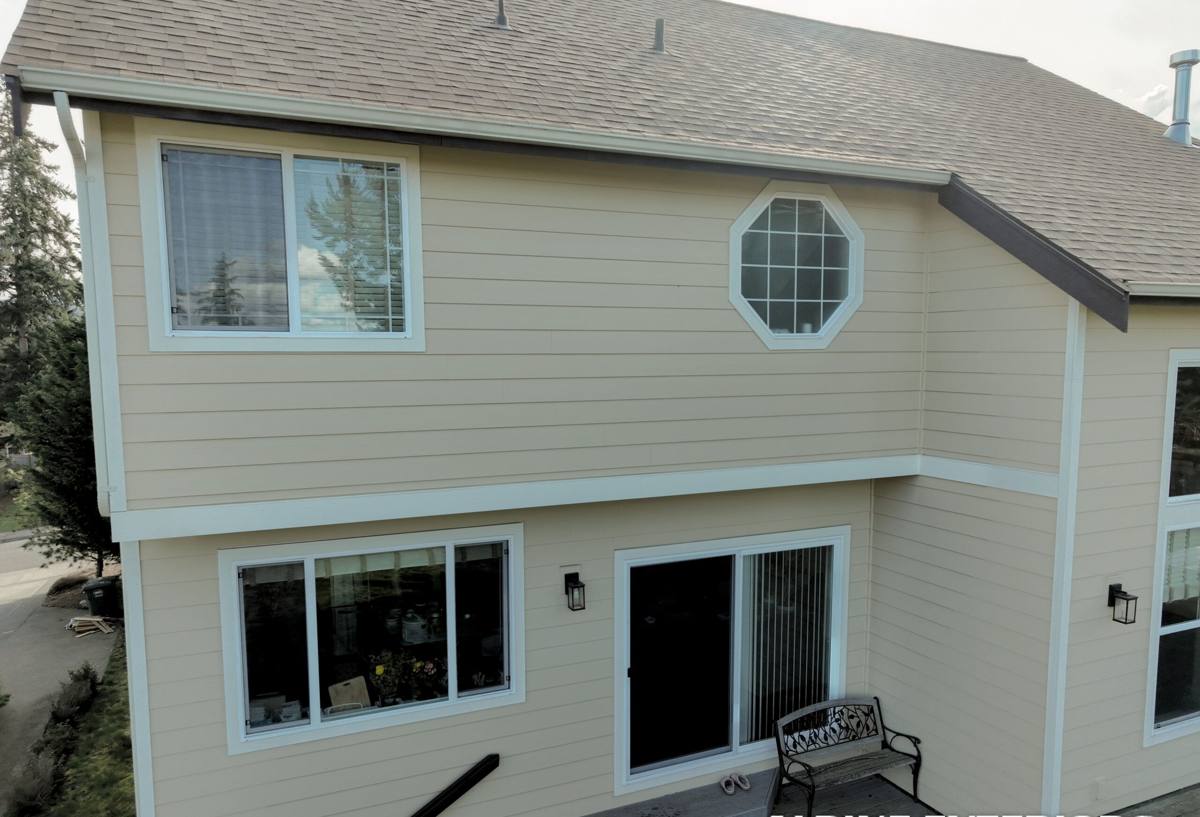
What Salt Air and Coastal Humidity Do to a Roof
Salt-laden air corrodes exposed metal faster than inland air does. Nails, flashing, fasteners, and vent boots that aren't rated for coastal exposure can start rusting and failing years before the shingles or tiles above them wear out. Once a fastener corrodes, it loses grip strength, and a roof is only as secure as its weakest fastener when hurricane-force wind gets underneath the edge.
Humidity compounds the problem. Warm, moist coastal air holds more moisture against roofing materials and the wood underneath, which is why proper attic ventilation and correctly installed underlayment matter more here than in drier climates. A roof that traps moisture instead of shedding it will develop rot, mold, and delamination from the inside, long before any visible damage shows up from the outside.
What This Means for Material Choices
For a Gulfport install, we favor corrosion-resistant fasteners and flashing rated for coastal environments, not standard hardware that's fine 20 miles inland but marginal a few blocks from the bay. It costs a little more up front and pays for itself in years of service life.
Wind: Designing for Hurricane Season, Not Just a Nice Day
Pinellas County building code requires roofing systems rated for high-velocity hurricane wind zones, and that code exists because of real, repeated storm damage across the region — not as a bureaucratic formality. A correctly installed roof in Gulfport needs to handle sustained tropical-storm-force wind as a matter of routine and hurricane-force gusts as a real possibility every single season.
Wind failures on roofs almost always start at an edge, a corner, or a penetration — not in the open field of the roof. That's where fastening pattern, starter strip installation, and edge metal matter most. A roofer who cuts corners at the perimeter to save time is setting a homeowner up for the first storm that pushes wind under an edge and peels the roof back like a lid.
- Correct nailing pattern and fastener count per manufacturer and code specification, not a "close enough" pattern
- Starter shingles or starter course installed at every edge, not just the eaves
- Enhanced or storm-rated underlayment as a secondary water barrier if the primary roof covering is compromised
- Properly sealed and fastened flashing at every valley, wall intersection, and penetration
- Ridge vents and other roof-mounted accessories rated for the same wind exposure as the field material
UV Exposure and Why Florida Roofs Age Faster
Florida's sun is intense and consistent almost all year, and UV exposure breaks down asphalt shingle granules, dries out sealants, and fades color faster than it does in most of the country. This is one reason a shingle rated for 25-30 years elsewhere may realistically deliver a shorter service life on a west-facing or unshaded Gulfport roof with no tree canopy protection.
We factor UV exposure into the material recommendation, not just the wind rating. A home with heavy tree cover and partial shade behaves differently than one with full sun exposure all afternoon, and the roofing system, ventilation, and even color choice should reflect that.
What a Correct New Roof Installation Actually Involves
A roof replacement is not just "old shingles off, new shingles on." Done correctly, it's a layered system where each component depends on the one below it being installed right.
Tear-Off and Deck Inspection
We remove the existing roofing material completely rather than layering over it, which lets us actually see the roof deck. Coastal humidity and past leaks can cause hidden plywood rot that's invisible from above or from inside the attic until the old roofing is off. Any soft, delaminated, or water-damaged decking gets replaced before anything new goes down — installing new roofing over a compromised deck is one of the most common causes of early roof failure.
Underlayment and Water Barrier
Self-adhering underlayment along eaves and valleys gives a second line of defense against wind-driven rain, which is common enough in Gulfport that it shouldn't be treated as an edge case. This layer is what keeps a home dry even if wind manages to lift or damage the outer roofing material during a storm.
Flashing
Every wall intersection, chimney, skylight, and roof penetration needs properly formed and sealed flashing. Flashing failures are one of the most common sources of roof leaks, and they're almost always a workmanship issue rather than a material one.
Field Material Installation
Whether it's architectural shingle, tile, or metal, the field material goes down to manufacturer specification and local wind-rating code, with attention to fastening pattern, exposure, and alignment.
Ventilation
Proper intake and exhaust ventilation keeps attic temperatures and humidity in check, which protects both the roof deck from below and the shingles from premature aging due to trapped heat.
Final Inspection and Cleanup
We walk the completed roof, check flashing and fastening, and do a magnetic nail sweep of the property so the yard is as clean as the roof.
Comparing Common Roofing Materials for a Gulfport Home
| Material | Wind/Storm Performance | Coastal Salt Air Durability | Typical Considerations |
|---|---|---|---|
| Architectural asphalt shingle | Good with proper high-wind installation and rated products | Good with corrosion-resistant fasteners | Most common choice; wide style and color range; solid value |
| Metal roofing | Excellent when properly fastened | Requires coastal-grade coatings and fasteners to resist corrosion | Higher upfront cost; long service life; good for direct sun exposure |
| Concrete or clay tile | Very good when installed with correct attachment system | Excellent; tile itself doesn't corrode | Heavier — requires structural check; underlayment quality is critical |
There's no single "best" material for every Gulfport home — the right choice depends on the home's structure, roof pitch, sun exposure, and the homeowner's priorities on upfront cost versus long-term maintenance. We'll walk through the honest trade-offs for your specific roof rather than pushing one product.
Our Process for a Gulfport Roof Installation
- On-site inspection. We look at the current roof, the deck, ventilation, and any signs of past leaks or storm damage before recommending anything.
- Honest material and system recommendation. Based on your home's exposure, structure, and your budget — not a default upsell.
- Written estimate. Clear scope of work, materials, and cost so there are no surprises mid-project.
- Permitting. We handle the permit process through the applicable local building department so the work is inspected and code-compliant.
- Tear-off and deck repair as needed. No shortcuts on hidden damage.
- Full system installation. Underlayment, flashing, field material, and ventilation installed to code and manufacturer spec.
- Final walkthrough and cleanup. Including a nail sweep and a review of the completed work with you.
Signs a Gulfport Roof May Need Replacement Rather Than Repair
- Shingles that are cupping, curling, or missing granules across large sections of the roof
- Soft spots or visible sagging anywhere on the roof deck
- Repeated leaks in different locations after prior repairs
- Rusted or deteriorating flashing and fasteners, especially near the roof edges
- Visible daylight through the roof deck from inside the attic
- A roof that's approaching or past the upper end of its rated service life, especially if it's had heavy sun exposure
Not every roofing issue means a full replacement — sometimes a targeted repair is the honest answer, and we'll tell you that when it's true.
Why Hiring a Crew That Already Works in Gulfport Matters
A crew that regularly works St. Petersburg and Pinellas County isn't guessing about local wind-zone code requirements, permitting steps, or how coastal humidity behaves on a roof deck — they've already solved those problems on other homes nearby. That familiarity shows up in small decisions throughout the job: which fastener grade to use, how much ventilation a specific roof design actually needs, and where storms tend to find weak points on homes in this area.
It also means being available and accountable locally if a question comes up after the job is done, rather than dealing with a company that's moved on to a different region entirely.
Get a Free, No-Pressure Estimate
If your Gulfport home needs a new roof, or you're not sure yet whether repair or replacement is the right call, we're happy to take a look and give you a straightforward, honest assessment. Use the form below to request a free estimate — no pressure, no obligation.