 St. Petersburg
 Asphalt Shingle Roofing in Gulfport, Florida
Gulfport sits on a peninsula between Boca Ciega Bay and the open water beyond, which means homes here take on more weather stress than properties even a few miles inland. Asphalt shingle roofing remains the most common roofing choice in this part of Pinellas County because it's cost-effective, repairable, and — when installed correctly for coastal conditions — genuinely durable. The catch is that word "correctly." A shingle roof built to a generic spec sheet and one built for a Gulfport lot facing salt spray, hurricane-season gusts, and relentless summer UV are not the same roof, even if the shingle bundle looks identical off the shelf.
This page is about what a shingle roof actually needs to hold up in Gulfport specifically, what we do differently because of it, and what to look for when you're deciding who touches your roof.
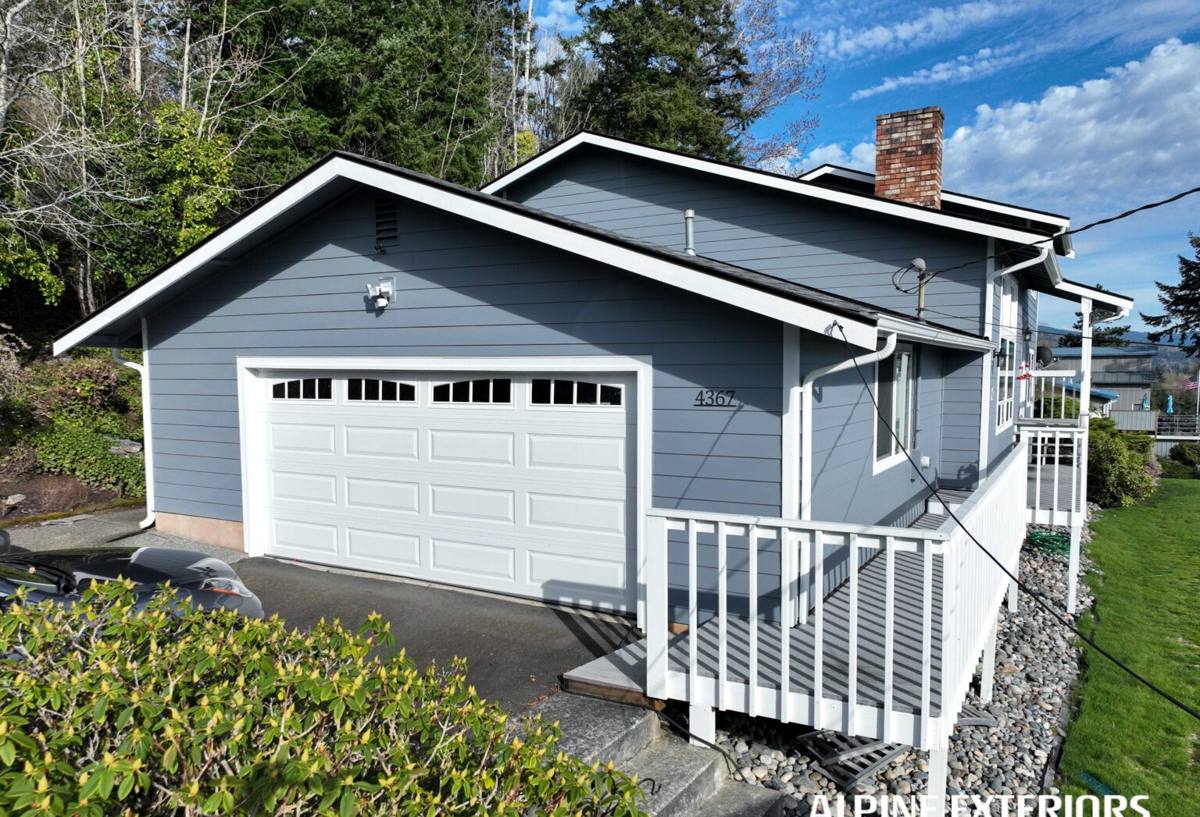
Why Gulfport's Climate Is Harder on Shingles Than People Expect
Homeowners moving from inland areas are often surprised at how much faster a roof ages this close to the water. A few things compound here at once:
- Salt air corrosion: Airborne salt accelerates the breakdown of exposed metal fasteners, flashing, and drip edge. Once corrosion starts at a fastener head or flashing seam, water finds a path underneath the shingles long before the shingles themselves look worn.
- Wind-driven rain: It's rarely straight-down rain that causes trouble here — it's rain pushed sideways under shingle tabs during storms. A roof that sheds water fine in a normal shower can still leak in a wind event if the underlayment and sealing details weren't done with that in mind.
- UV load: Florida sun is intense nearly year-round, and it dries out asphalt oils in shingles faster than in most of the country. This shows up as granule loss, brittleness, and a shortened effective lifespan compared to the shingle's rated years.
- Hurricane-force wind exposure: Even in years without a direct hit, Gulfport homes see repeated high-wind events that stress every fastener and seal on the roof. Marginal installation work reveals itself over several storm seasons, not on day one.
None of this means asphalt shingles are the wrong choice for Gulfport. It means the installation details — the parts you can't easily see once the roof is finished — matter more here than in a milder climate.
What a Correct Shingle Roof Involves in This Area
Underlayment as the real waterproofing layer
Shingles shed most water, but they are not the primary waterproofing layer — the underlayment beneath them is. In a wind-driven rain environment, we treat synthetic or self-adhering underlayment as the backup system that actually keeps a home dry when shingles get lifted or damaged in a storm. Skipping to a thinner or lower-grade underlayment to save a little money is one of the most common shortcuts we see on older Gulfport roofs, and it's usually the first thing that fails.
Fastening pattern and nail placement
Florida Building Code sets minimum nailing requirements for high-wind zones, and Pinellas County enforces wind-rated installation standards on shingle roofs. Nail placement, nail count per shingle, and using the manufacturer's high-wind fastening pattern all directly affect whether a roof stays attached in gusts. This is not a place to guess — it's a place to follow the shingle manufacturer's high-wind installation instructions exactly, every time.
Flashing at every transition
Valleys, chimneys, sidewalls, skylights, and any roof-to-wall transition are where the vast majority of leaks originate — not the open field of shingles. Corrosion-resistant flashing, properly lapped and sealed, matters even more near the water where standard galvanized metal degrades faster than it would inland.
Ventilation that matches the attic
A hot, poorly ventilated attic bakes shingles from underneath, shortening their life regardless of quality. Intake at the eaves and exhaust at the ridge need to be balanced for the specific attic, not just added because a spec sheet mentions it.
Shingle Options and How They Perform Here
Not every shingle product is a good fit for a coastal, high-wind property. The table below compares the common options we discuss with Gulfport homeowners.
| Shingle Type | Wind Performance | Typical Lifespan Locally | Best Fit |
|---|---|---|---|
| 3-tab (builder grade) | Lower wind rating, more prone to tab lift | 10–15 years in this climate | Budget-driven replacements, non-permanent situations |
| Architectural (laminated) | Higher wind rating with proper fastening, standard for most reroofs | 18–25 years | Most Gulfport homes — best balance of cost, durability, and appearance |
| Impact-rated / high-wind architectural | Highest wind rating, often paired with insurance discounts | 20–25+ years | Homes closer to the water, insurance-conscious owners |
We generally steer homeowners away from bare-minimum 3-tab shingles on full replacements in this area — not because the product is defective, but because the thinner profile and lower wind rating mean it reaches the end of its useful life faster under Gulfport conditions, which usually costs more over time than the upfront savings are worth.
Our Process for Gulfport Roofing Projects
- On-site inspection: We walk the roof and attic, not just look from the ground. Attic inspection tells us about ventilation, past leaks, and deck condition that aren't visible from a driveway.
- Honest scope discussion: Repair, partial reroof, or full replacement — we explain what's driving the recommendation, including any areas where prior work looks like it cut corners.
- Permitting: Reroofs and most repairs in Pinellas County require permits and inspections. We handle this as part of the job, not as an add-on.
- Tear-off and deck check: We remove old material down to the deck and check for soft spots, rot, or fastener pull-through before anything new goes down — covering a bad deck with new shingles just hides the problem.
- Underlayment and flashing installation: Done to the standard described above, not the minimum code allows.
- Shingle installation: High-wind fastening pattern, correct exposure, and attention to valleys, hips, and ridges.
- Final walkthrough and cleanup: Magnetic sweep for stray nails, debris removal, and a walk-through so you know what was done and why.
Repair, Partial Reroof, or Full Replacement?
Not every roofing problem in Gulfport needs a full tear-off. The right call depends on the roof's age, how localized the damage is, and what shows up during inspection.
- Repair makes sense for isolated wind damage, a single leak source, or damage confined to one section on a roof that's otherwise in good shape and not near the end of its service life.
- Partial reroof can work when one slope or section has taken the brunt of storm damage while the rest of the roof is sound and was installed at a similar time — though matching shingle color and lot can be a real limitation worth discussing upfront.
- Full replacement is the right move when the roof is past or near the end of its expected life, has widespread granule loss, multiple past repairs, or deck damage found during tear-off.
We'll tell you honestly which category your roof falls into rather than defaulting to the most expensive option.
Storm Season Considerations Specific to This Area
Gulfport homeowners live with hurricane season as a fact of life, not a hypothetical. A few things we recommend regardless of who does your roofing work:
- Have your roof inspected before hurricane season if it hasn't been looked at in the last couple of years — small issues found in June are cheap; the same issues found after a storm in September are not.
- Know your shingle's wind rating and whether your insurance offers a credit for higher-rated materials or a wind mitigation inspection.
- After any named storm, a visual check for lifted tabs, exposed nail heads, or granule accumulation in gutters is worth doing even if there's no visible leak yet.
- Keep documentation (photos, inspection reports, permit records) — it speeds up insurance claims if you ever need one.
Why Local Experience on Shingle Roofs Matters
A crew that works Gulfport and the surrounding St. Petersburg area regularly understands things a roofer unfamiliar with this specific coastal microclimate might not: which flashing materials actually hold up against salt air over years rather than months, how Pinellas County's permitting and inspection process works in practice, and what wind-rating documentation local insurers actually want to see. That familiarity translates into fewer surprises during the job and a roof that's built for the conditions it will actually face, not a generic installation dropped into a coastal environment.
We also see the long-term outcomes of roofing decisions in this area — which underlayment choices and fastening details held up through storm seasons and which didn't — because we're the ones coming back to inspect and repair roofs years later. That feedback loop shapes how we build every new roof.
Maintenance That Extends Shingle Life Here
Asphalt shingle roofs in Gulfport benefit from simple, regular maintenance more than most homeowners realize:
- Keep gutters clear so water doesn't back up under the shingle edge during heavy rain.
- Trim overhanging branches to reduce debris buildup and abrasion during wind events.
- Check attic ventilation isn't blocked by insulation or storage that's crept over the vents.
- Schedule a visual inspection every year or two, and always after a significant storm.
- Address small leaks or lifted shingles quickly — they rarely stay small in this climate.
If you're weighing repair versus replacement, or just want a straight answer about what your roof needs, we're happy to take a look and walk you through it. Use the form below to request a free, no-pressure estimate for your Gulfport home.