 St. Petersburg
 Siding in Gulfport Has to Work Harder Than Siding Almost Anywhere Else
Gulfport sits right on Boca Ciega Bay, which means every exterior surface on a Gulfport home is dealing with conditions that inland Pinellas County houses simply don't face to the same degree. Salt-laden air moves in off the water daily. Summer humidity keeps moisture pressing against exterior walls almost year-round. Afternoon storms bring wind-driven rain sideways into siding joints and seams. And when a hurricane or tropical system tracks through the Tampa Bay area, the wind loads on a waterfront-adjacent neighborhood like Gulfport are no joke.
None of that is a reason to avoid siding as a material — it's a reason to be far more careful about which siding you choose and how it's installed. A product or installation shortcut that might get away with itself in a dry, inland climate will show its weaknesses in Gulfport within a few years, not a few decades.
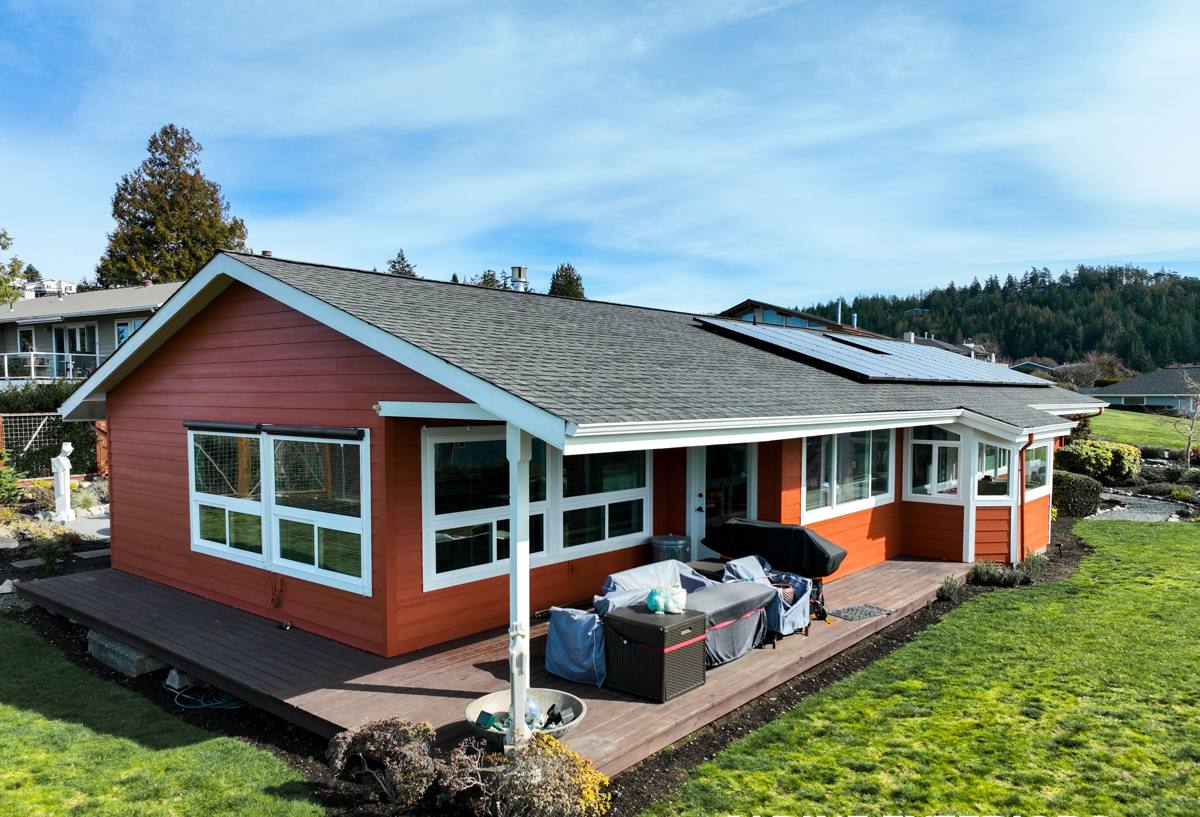
The Kind of Homes We're Working On
Gulfport's housing stock skews older than a lot of St. Petersburg — bungalows, cottage-style homes, and mid-century construction sit alongside newer infill and renovated properties. That mix matters for siding work in a few practical ways:
- Older homes often have original wood siding, old aluminum, or a prior siding layer that's failing and needs full removal, not a re-cover.
- Many lots are tight, with homes set close to neighbors, mature trees, and fences — access and staging have to be planned, not improvised.
- Original wall assemblies may lack modern moisture barriers, so the installer has to build that protection in during the tear-off, not assume it's already there.
- Character details — trim profiles, porch columns, eave returns — are usually worth preserving, which takes more care than a production-line install on a newer subdivision home.
Whether your home is a 1940s cottage two blocks from the water or a newer build further inland in Gulfport, the siding installation needs to be treated as a coastal project, not a generic one.
What a Correct Siding Installation Actually Involves Here
Starting With What's Underneath
Good siding is only as good as what's behind it. Before any new siding goes up, the wall sheathing gets inspected for rot, soft spots, and prior water damage — which is common on older Gulfport homes where a failing siding system has been quietly letting moisture in for years. A house-wrap or equivalent weather-resistive barrier gets installed correctly, lapped the right direction, with seams taped so wind-driven rain can't work its way behind the cladding.
Flashing and Water Management
Windows, doors, and any wall penetration need proper flashing integrated with the weather barrier — not caulk used as a substitute for flashing. In a neighborhood that sees regular wind-driven rain off the bay, flashing details are where most siding failures actually start, not the siding panels themselves.
Fastening for Wind
Pinellas County is in a high-velocity hurricane zone, and fastening schedules matter. Nail or screw type, spacing, and embedment depth all have to match the manufacturer's specifications for the wind exposure category of the home's location — this isn't a place to eyeball it.
Clearance and Grade
Siding installed too close to grade, mulch beds, or a patio surface will wick moisture no matter what it's made of. Correct installation keeps the bottom edge of the siding at the manufacturer's minimum clearance, which is easy to overlook and one of the most common mistakes we see on re-siding jobs in older neighborhoods.
Why We Install Only James Hardie Fiber Cement
We don't offer vinyl, LP SmartSide, or other engineered wood products on Gulfport homes, and that's a deliberate standard, not a limitation of what we're able to install. Vinyl can warp and fade under sustained Florida UV and doesn't hold up well against wind-driven debris in storm conditions. Engineered wood products depend heavily on paint-film maintenance to keep moisture out over time — miss a cycle in a humid coastal environment and the risk of edge swelling goes up.
James Hardie fiber cement is non-combustible, dimensionally stable in heat and humidity, and holds its factory-applied ColorPlus finish far longer than field-painted alternatives — which matters in a location where salt air accelerates finish breakdown on lesser products. Hardie's HZ5 product line is engineered specifically for high-humidity, high-moisture climates like ours. It's the product we're willing to put our name behind on a Gulfport house, and the only one we install.
Cost Factors for Gulfport Siding Installation
| Factor | Why It Matters in Gulfport |
|---|---|
| Tear-off vs. re-cover | Older homes often need full tear-off to inspect and repair sheathing hidden behind failing original siding |
| Trim and detail complexity | Bungalow and cottage-style homes have more trim, corners, and porch detail than a plain production build |
| Access and staging | Tight lots, mature landscaping, and close-set neighboring homes affect crew logistics and timeline |
| Moisture barrier condition | Coastal humidity means underlayment quality directly affects long-term wall performance |
| Wind zone fastening spec | High-velocity hurricane zone requirements can affect fastener count and labor time |
| Siding profile chosen | Lap, shingle, and panel Hardie profiles carry different material and install costs |
Our Process for a Gulfport Siding Job
- On-site walk-through — we look at existing siding, trim, wall condition, and access before quoting anything.
- Scope and product selection — we determine tear-off vs. re-cover needs and walk you through Hardie profile and color options that suit the home's style.
- Sheathing and moisture barrier work — any damaged sheathing gets addressed before a new weather-resistive barrier goes on, correctly lapped and sealed.
- Flashing integration — windows, doors, and penetrations are flashed into the barrier system before siding installation starts.
- Installation to spec — Hardie panels or lap siding installed per manufacturer fastening and clearance requirements for our wind zone.
- Trim, caulking, and finish detail — corners, trim boards, and joints finished to match the home's original character where that's the goal.
- Final walk-through — we go over the finished work with you before calling the job done.
Living With Salt Air: Maintenance Reality
No siding is maintenance-free in a bayfront community, but the maintenance burden is very different depending on what's on the wall. Fiber cement with a factory-applied finish needs periodic rinsing to clear salt residue and occasional caulk inspection at trim joints — that's about it under normal conditions. Painted or engineered wood alternatives need repainting on a cycle to keep the moisture barrier at the surface intact, and missing that cycle in a humid coastal environment carries real risk. Vinyl requires less active maintenance but is more prone to visible UV fading and impact damage over time, with no practical way to touch it up.
For Gulfport homeowners, the honest comparison isn't "which siding needs zero maintenance" — none do — it's which siding's maintenance needs are forgiving if you get busy for a season, and which aren't.
Signs Your Current Siding Needs Attention
- Soft or spongy spots when you press on the siding, especially near the bottom edge or window corners
- Visible warping, buckling, or gaps between panels
- Paint that's peeling or bubbling rather than just fading
- Rising utility bills that could point to compromised wall insulation behind failing siding
- Visible daylight or drafts around window and door trim from inside the house
- Persistent musty smell in a room along an exterior wall
Why a Crew That Already Works Gulfport Matters
Siding installation on an older, close-set Gulfport lot is a different job than siding a newer home on a wide suburban lot. A crew that regularly works in this neighborhood already understands how to stage equipment and material on tight properties, how to work around mature landscaping without damaging it, and what to expect from wall assemblies on homes of this era. That familiarity shows up in fewer surprises mid-project and a cleaner site throughout.
It also matters that we're a St. Petersburg-based crew, not an out-of-town outfit passing through. We're accountable to the same Pinellas County building standards and the same wind-zone requirements on every job, and we're around after the job is done if a warranty question comes up down the road.
Getting Started
If your Gulfport home's siding is showing its age, or you're planning ahead of hurricane season and want a wall system that's actually built for this climate, we're happy to take a look and give you a straight assessment — no pressure, no obligation. Fill out the form below for a free estimate.