 St. Petersburg
 Why Gulfport Homes Need Siding Built for This Exact Climate
Gulfport sits right on Boca Ciega Bay, which means homes here take a different kind of beating than siding a few miles inland. The bay throws salt-laden air at exterior walls every day of the year, Pinellas County's UV exposure is about as intense as it gets in the continental United States, and when a tropical system tracks through the Gulf, Gulfport's low-lying, waterfront-adjacent streets see wind-driven rain that gets pushed sideways into every seam, joint, and fastener point on a home's exterior. Siding that isn't specifically engineered for this combination doesn't fail dramatically — it fails slowly, through swelling, delamination, chalking, and moisture intrusion that homeowners often don't notice until it's expensive to fix.
We install James Hardie fiber cement siding exclusively, and Gulfport is exactly the kind of neighborhood that shows why. This page covers what a correct Hardie installation looks like for a Gulfport home, what the salt air and storm exposure actually do to different siding materials over time, and how our process is built around this specific coastal environment rather than a generic install.
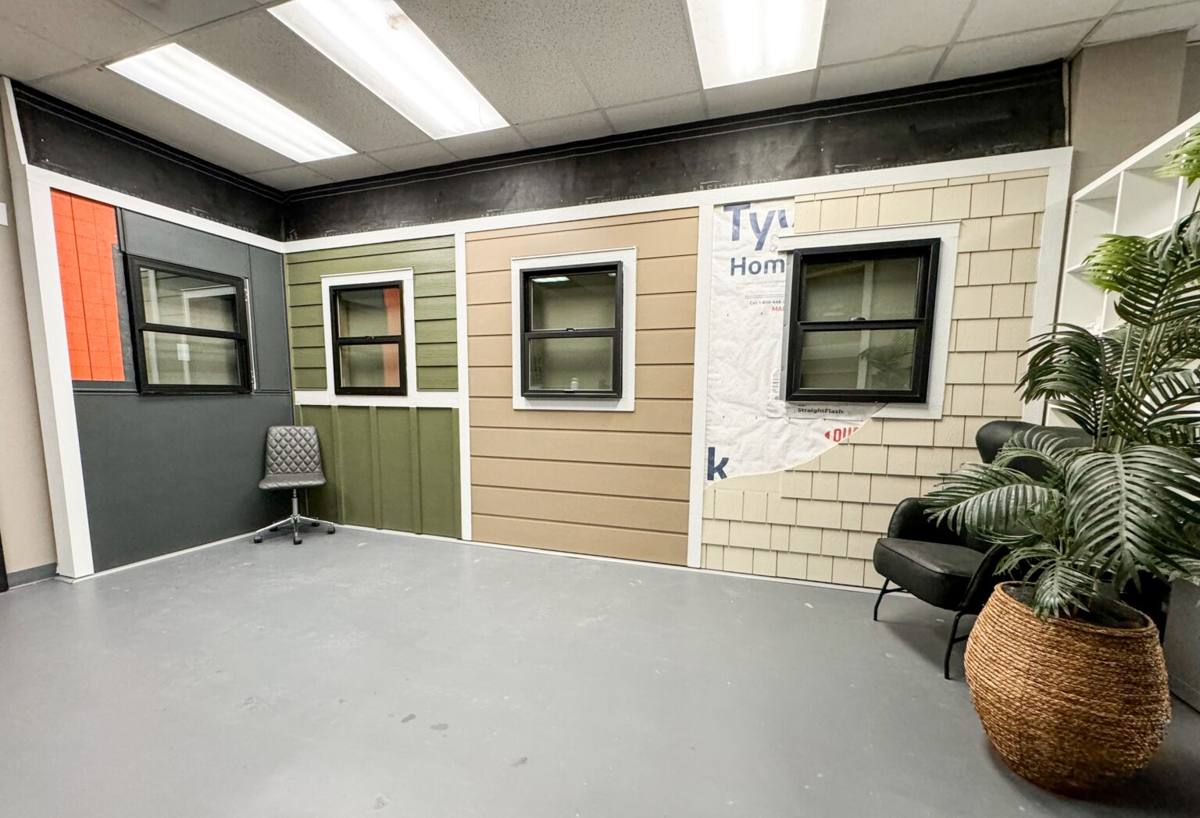
What Salt Air, Sun, and Wind-Driven Rain Do to Exterior Siding
Understanding why product choice matters here starts with understanding the three forces working against your siding at the same time, year-round.
Salt Air
Airborne salt is corrosive to metal fasteners and trim, and it accelerates the breakdown of coatings and finishes that aren't formulated to resist it. Over years of exposure, salt residue can also hold moisture against a wall surface longer than it would in an inland environment, which matters a great deal for any siding material that's sensitive to sustained dampness.
Intense, Near-Constant UV
Florida sun doesn't just fade paint — it breaks down the resins and binders in lower-grade coatings, leading to chalking, color loss, and eventually cracking as the material loses flexibility. A siding product's finish, not just its substrate, has to be engineered to hold up under this kind of sustained UV load.
Wind-Driven Rain
During storms, rain in Gulfport rarely falls straight down — it's pushed horizontally into walls, soffits, and seams. This tests every lap, joint, and piece of flashing on a home's exterior. Siding systems with weak seams or poor moisture management can let water travel behind the cladding, where it causes damage that's invisible until it shows up as rot, mold, or a soft spot in the wall.
Why We Standardized on James Hardie for This Market
We made a deliberate decision years ago to install only James Hardie fiber cement siding, and we don't install LP SmartSide, vinyl, Cemplank, Allura, primed spruce, or cedar. That's not a marketing position — it's a professional standard built around what actually holds up in a Gulf Coast climate like Gulfport's.
- Non-combustible material: James Hardie siding is fiber cement, not wood or wood-composite, so it doesn't carry the same fire risk or the same vulnerability to moisture-driven rot that wood-based products do.
- ColorPlus factory-applied finish: Rather than relying on job-site paint, Hardie's ColorPlus finish is baked on in a controlled factory process, which gives it better UV and fade resistance than field-applied paint typically achieves — a real advantage under Pinellas County sun.
- Climate-engineered HZ product lines: Hardie manufactures HZ5 products specifically formulated for humid, moisture-heavy climates like Florida's, which is a meaningfully different product than what's shipped to drier regions.
- Proven longevity when installed to spec: Fiber cement doesn't warp, swell, or attract wood-destroying insects the way engineered wood siding can, and it holds paint and caulk far longer than vinyl.
- A strong, transferable warranty: Hardie backs its products with a warranty structure that's been tested and honored across decades of coastal installations, which matters when you're deciding what goes on your home for the next 30-plus years.
We're honest that every siding product has trade-offs. Vinyl is inexpensive but softens and can warp under sustained heat and impact, and its seams are a known weak point in wind-driven rain. Engineered wood products like LP SmartSide perform reasonably well in many climates, but they're wood-based, and wood-based siding depends heavily on perfect field sealing and maintenance discipline to avoid moisture problems — a hard bar to clear consistently on a barrier-island-adjacent property. Fiber cement products from other manufacturers exist, but we've chosen to concentrate on one system we can install, warranty, and stand behind with full confidence, rather than spreading our crews across multiple product lines with different installation requirements.
What a Correct James Hardie Installation Involves
Fiber cement siding is only as good as its installation. Hardie's own installation guidelines are detailed for a reason — skipping steps is the single biggest cause of premature siding failure, coastal or not.
Substrate and Moisture Barrier Prep
Before any siding goes up, the wall sheathing needs to be sound, and a code-compliant weather-resistive barrier needs to be properly lapped and sealed. In a wind-driven-rain environment like Gulfport's, this layer is what stops water that gets past the siding from ever reaching your wall framing.
Fastening Pattern and Clearances
Hardie specifies exact fastener types, spacing, and embedment depth, along with minimum clearances from grade, roof lines, and other transitions. These aren't suggestions — correct clearances are what keep water from wicking up into the bottom edge of the siding, which is one of the most common failure points we see on poorly installed jobs.
Joint and Seam Treatment
Every butt joint, corner, and penetration (vents, light fixtures, hose bibs) needs proper flashing and sealant compatible with fiber cement. In a storm-exposed coastal location, these details determine whether wind-driven rain stays outside the wall assembly or finds its way in.
Factory-Finish Touch-Up
Field-cut edges need to be primed and sealed with the correct ColorPlus touch-up products so the factory finish's UV resistance carries through the entire installation, not just the factory-cut edges.
Our Process for a Gulfport Installation
| Step | What Happens | Why It Matters Here |
|---|---|---|
| On-site assessment | We inspect existing siding, sheathing condition, and problem areas specific to your home's exposure | Salt air and coastal wind patterns affect each elevation of a home differently |
| Product and color selection | We walk you through Hardie board profiles and ColorPlus color options suited to the home's style | Some colors and finishes perform better long-term under intense UV |
| Tear-off and prep | Old siding removed, sheathing inspected and repaired as needed, weather barrier installed or verified | This is the step most corner-cutting crews rush — it's the foundation of everything else |
| Installation to Hardie spec | Fastening, clearances, flashing, and joint treatment done to manufacturer requirements | Directly determines wind and water performance in a storm |
| Finish and walkthrough | Touch-up work completed, site cleaned, final inspection with the homeowner | Confirms the job meets both our standard and Hardie's warranty requirements |
Why Hiring a Crew That Already Works in Gulfport Matters
Coastal exposure isn't uniform even within a small area — a home a block from the water faces different salt and wind conditions than one set further back, and Gulfport's mix of older and newer construction means substrate conditions vary a lot from house to house. A crew that regularly works Pinellas County waterfront and near-waterfront neighborhoods has already seen how local homes age under this exposure, which means fewer surprises once tear-off starts and a better read on what your specific home actually needs versus a generic spec.
It also means a crew that understands local permitting and wind-load requirements for this part of the county, and one that isn't learning coastal installation details on your project for the first time.
Signs Your Gulfport Home's Siding May Already Be Struggling
- Chalky residue or noticeable color fade, especially on sun-facing walls
- Soft spots, swelling, or visible warping, particularly near the bottom edges
- Cracking or splitting at seams and corners
- Paint that's peeling or bubbling repeatedly despite recent repainting
- Visible gaps at trim, window, or door transitions
- A musty smell or discoloration on interior walls that back up to exterior siding
Any one of these, on its own, might be minor. Several together — especially on a home that's had the same siding for a couple of decades — is usually a sign the material itself is reaching the end of what it can handle in this climate.
What Fiber Cement Siding Costs to Factor In
Every Gulfport home is a different scope of work depending on square footage, current siding condition, trim complexity, and the amount of tear-off and substrate repair needed. Rather than quote a number that won't reflect your actual home, we walk every property in person and price it based on what we find — that's the only honest way to give you a number you can rely on. What we can tell you is that fiber cement sits above vinyl and below some premium cladding systems in upfront cost, and that the gap tends to close over time given how much longer it holds its finish and structural integrity in a climate like this one.
Get a Free, No-Pressure Estimate
If your Gulfport home's siding is showing its age, or you're planning ahead for a replacement, we're happy to come take a look and walk you through exactly what we'd recommend and why. Fill out the form below for a free estimate — no pressure, no obligation, just a straight answer about what your home actually needs.