 St. Petersburg
 Why Decks Take a Beating on St. Pete Beach
St. Pete Beach sits right on the Gulf, and that barrier-island location is exactly what makes deck repair here different from deck repair ten miles inland. Salt-laden air corrodes metal fasteners and connectors faster than almost anywhere else in Pinellas County. Intense, near-constant UV exposure breaks down wood fibers and fades or chalks composite decking over time. Wind-driven rain during summer storms and hurricane season pushes water sideways into places a deck was never designed to get wet — ledger board connections, post bases, and stair stringers in particular.
None of this means a deck on St. Pete Beach is doomed to fail early. It means the repair work has to account for the environment, not just patch what's visible on the surface. A board that looks fine from the top can be sitting on a joist that's lost most of its structural integrity underneath, especially if the deck is older or was built with standard-grade fasteners instead of coastal-rated hardware.
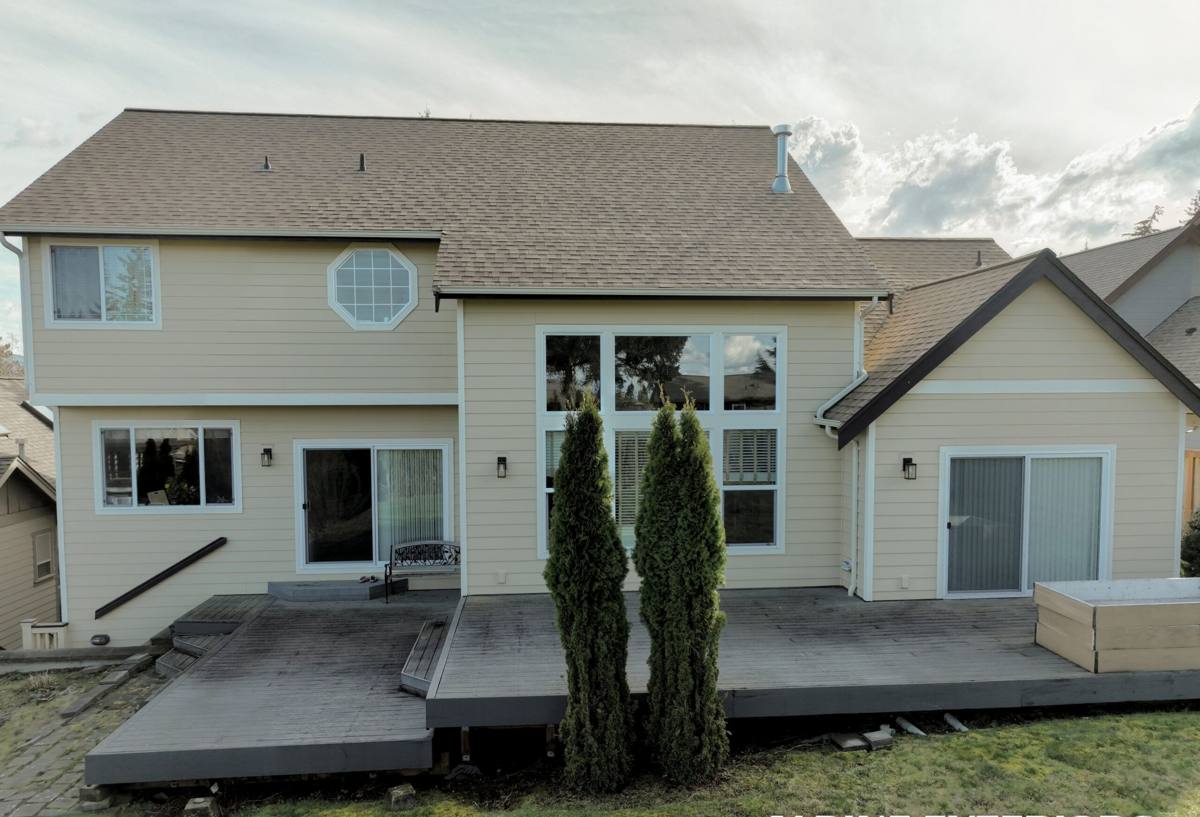
Common Signs a St. Pete Beach Deck Needs Repair
Homeowners usually call us for one of a handful of recurring issues. Recognizing them early keeps a repair job small instead of letting it grow into a full rebuild.
- Boards that feel spongy, bounce, or flex noticeably when you walk on them
- Visible rust streaks around screws, bolts, or joist hangers
- Railings or posts that wobble or feel loose when pushed
- Gaps opening up between the deck and the house at the ledger board
- Soft or discolored wood near stair stringers, post bases, or anywhere water tends to pool
- Nails backing out or popping above the board surface
- A musty smell coming from underneath the deck, which usually points to trapped moisture
Any one of these on its own might be a minor fix. Several showing up together usually means the whole substructure needs a closer look before we start swapping boards.
What a Correct Repair Actually Involves
It Starts Underneath, Not on Top
A repair that only replaces the boards you can see is a cosmetic fix, not a structural one. Before we touch decking, we check the framing underneath — joists, beams, posts, and the ledger board connection to the house. On a coastal deck, this is where the real damage usually lives, because moisture and salt air work on the structure long before they show up on the surface.
Fasteners and Hardware Matter More Here
Standard zinc-coated screws and connectors corrode faster in salt air than they would a few miles inland. Where we're replacing fasteners or hangers on a St. Pete Beach deck, we use hardware rated for coastal or marine-grade exposure. It costs a little more upfront, but using the wrong fastener is one of the most common reasons a "repaired" deck starts failing again within a year or two.
Ledger Board Connections
The ledger board — where the deck attaches to the house — is the single most safety-critical connection on most decks, and it's also the spot most exposed to wind-driven rain intrusion. If flashing is missing, cracked, or was never installed correctly, water gets behind it and rots the rim joist or sheathing on the house itself. Any proper repair includes checking this connection, not just the boards nearby.
Stairs and Railings
Stair stringers and railing posts take constant load and are usually the first things to show wear. Loose railings are also a straightforward safety issue, not just a cosmetic one, and we treat them accordingly.
Repair or Replace? How We Make That Call
Not every deck problem calls for a full rebuild, and not every deck is worth repairing indefinitely either. We look at the age of the structure, how much of the framing is still sound, and how the previous work was built in the first place.
| Factor | Leans Toward Repair | Leans Toward Replacement |
|---|---|---|
| Framing condition | Joists and beams are solid, only surface issues | Widespread rot or soft spots in the structure |
| Age of deck | Under 10-15 years, built with decent materials | Older deck nearing the end of its practical life |
| Extent of damage | Isolated to a few boards, a railing, or one area | Damage spread across most of the deck |
| Ledger connection | Sound, properly flashed | Compromised, missing flashing, or rotted rim joist |
| Code compliance | Meets current railing and fastening standards | Outdated railing height, spacing, or attachment method |
When a deck is structurally sound and the damage is contained, repair is the honest, cost-effective answer. When the framing itself is compromised, patching around the problem just delays a bigger expense later — and we'll tell you that plainly rather than stringing along repairs on a deck that needs to come down.
Materials We Use for Coastal Repairs
What we use to repair a deck depends on what's already there and what the homeowner wants going forward. For wood decks, we match species and treatment as closely as possible so the repaired sections weather consistently with the rest of the structure. For composite decking, exact color matching isn't always possible if the existing boards have faded from years of UV exposure, and we'll walk through that honestly before starting work rather than let it be a surprise at the end.
For structural hardware — joist hangers, bolts, screws — we default to stainless steel or coated fasteners rated for coastal exposure on every repair here, regardless of what was originally used. It's a small cost difference that has an outsized effect on how long the repair actually lasts in this environment.
Our Deck Repair Process
1. On-Site Inspection
We start by physically checking the framing, not just the decking surface — probing for soft wood, checking fastener condition, and inspecting the ledger connection. This tells us what's actually wrong versus what just looks wrong.
2. Honest Scope and Estimate
We explain what needs to be repaired, what's optional, and what we'd flag as a bigger concern if left alone. If a full replacement makes more sense than a repair, we'll say so directly instead of running up a repair bill on a deck that's past the point of patching.
3. The Repair Work
This includes any framing or structural fixes first, then decking, railings, and stairs. Where local permitting applies — structural or railing work often does — we handle that as part of the job.
4. Cleanup and Walkthrough
We clear debris and old materials from the site and walk the finished deck with you so you know exactly what was repaired and what to keep an eye on going forward.
Keeping a Repaired Deck Healthy in This Climate
A repair holds up longest when it's paired with a little regular upkeep. This matters more on St. Pete Beach than in most inland neighborhoods because of the combination of salt air, sun, and humidity.
- Rinse salt residue off the deck surface and railings periodically, especially after storms
- Keep gutters and downspouts clear so water isn't dumping extra volume near the deck
- Check fasteners and railings for looseness once or twice a year
- Reseal or refinish wood decking on the manufacturer's recommended schedule — UV exposure here shortens that interval
- Keep the area underneath the deck clear of debris and standing water
- After any major storm, do a quick visual check of posts, stairs, and the ledger connection
Why Local Experience on St. Pete Beach Matters
A contractor who mostly works inland neighborhoods doesn't see the same failure patterns we see repairing decks along the Gulf side of Pinellas County. Salt corrosion on fasteners, the specific way wind-driven rain gets into ledger connections on beachfront homes, and how fast UV exposure ages exposed wood here are all things you learn by doing the work in this exact environment, not by reading a general decking manual. That experience shows up in which hardware we reach for, which connections we check first, and which shortcuts we won't take even if they'd make the repair look finished faster.
It also means we're not guessing about permitting or inspection expectations for structural and railing work in this part of Pinellas County — we've been through that process before and know what's expected.
Get a Straight Answer About Your Deck
If your deck on St. Pete Beach is showing any of the signs above, it's worth getting an honest, no-pressure look before the problem grows. We'll tell you plainly whether it's a repair or something bigger, with no guesswork and no upsell. Use the form below to request a free estimate.