 St. Petersburg
 New-Construction Windows Are a Different Job Than Replacement
"New-construction window" isn't a marketing term — it describes a specific window style with a nailing fin (also called a flange) around the frame, meant to be installed into a bare, framed rough opening before the exterior wall covering goes on. That's different from a replacement or "pocket" window, which gets inserted into an existing frame after the original window is removed, using the old frame's structure for support. On a new build or an addition in St. Pete Beach, the rough opening is open lumber, the weather-resistant barrier (house wrap) is either already up or about to go up, and the window has to be integrated into that barrier correctly the first time. There's no old frame to fall back on and no second chance once siding, stucco, or trim covers the flange.
That makes the stakes higher, not lower. A new-construction window installed out of plumb, under-fastened, or flashed in the wrong order can leak for years before anyone notices — usually right around the time drywall or trim damage shows up on the inside. Getting it right at the framing stage is far cheaper than fixing it after the house is finished.
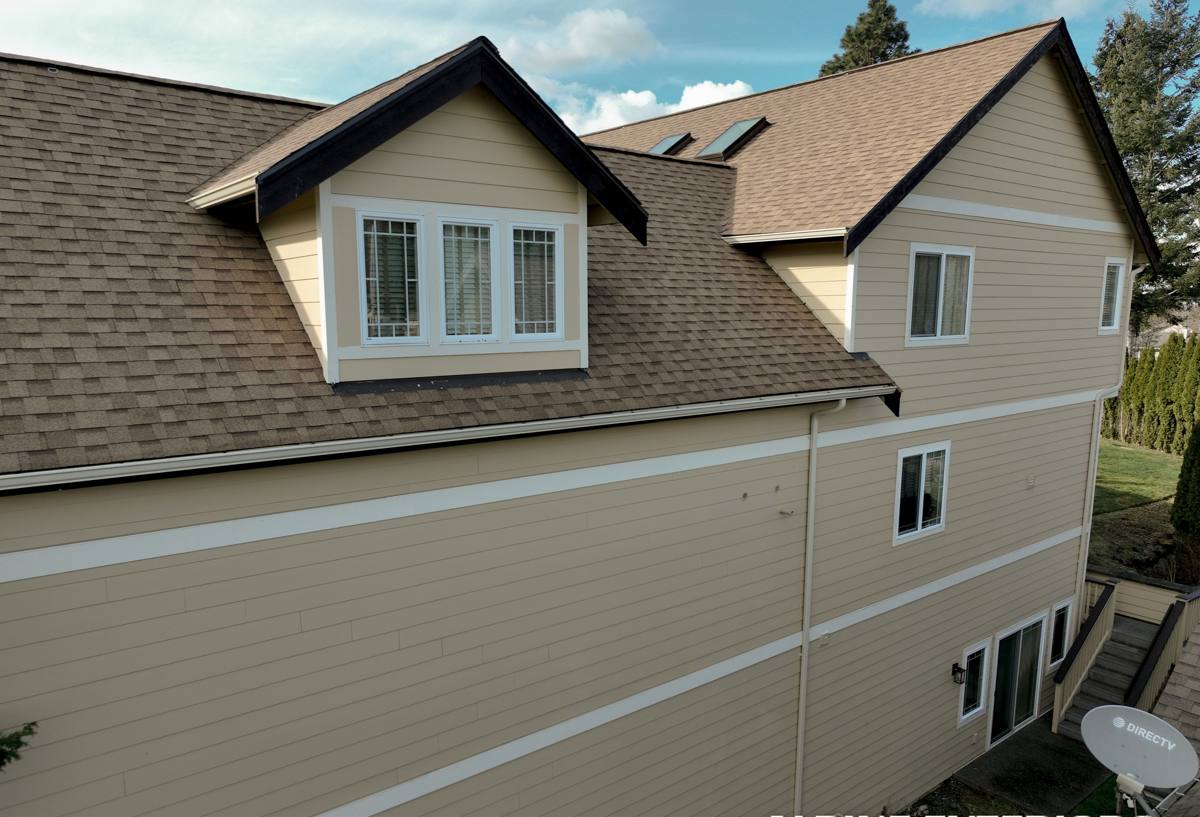
What St. Pete Beach's Climate Actually Demands
St. Pete Beach sits on a barrier island facing the Gulf, which means every window installed there is dealing with a harder environment than a comparable house even a few miles inland in St. Petersburg. Four things drive how we spec and install windows out here:
Wind and Wind-Borne Debris
Hurricane-force wind isn't a once-a-decade event to plan around — it's a design condition. Windows near the coast in Pinellas County generally fall inside the state's wind-borne debris region, which means they either need to be impact-rated (able to take a large-missile impact without breaching) or paired with code-compliant shutters. Either way, the window's Design Pressure (DP) rating has to match what the specific elevation and building height require, not just meet a generic minimum.
Wind-Driven Rain and Water Intrusion
Coastal storms don't just drop rain straight down — wind pushes it sideways and up under trim, flanges, and laps. A window that would stay dry in a calm rain inland can still leak on St. Pete Beach if the flashing sequence around it isn't shingle-lapped correctly. This is the single biggest cause of hidden water damage we see traced back to window installation.
Salt Air and Corrosion
Salt in the air corrodes exposed metal — hinges, cranks, screws, and lesser-grade fasteners — faster near the water than anywhere inland. Hardware and fasteners rated for coastal exposure aren't optional upgrades on a barrier island; they're the difference between a window that still operates smoothly in ten years and one that's seized or streaking rust down the siding in three.
Year-Round UV
Florida sun is intense and constant, not seasonal. Vinyl frames without UV-stable formulations can chalk, discolor, or become brittle over years of exposure, and glass without a quality low-E coating lets in more heat and UV than a Gulf-facing house wants to deal with, especially on west and south elevations.
Florida Building Code and Wind Requirements on the Island
Every window installed in a new build here has to carry a valid Florida Product Approval (or Miami-Dade NOA) number matching its actual tested performance — not just a sticker, but documentation that lines up with the specific DP rating, size, and installation method used on that opening. Permitting for St. Pete Beach construction runs through the appropriate local building department, and inspectors will check that the installed window matches what was submitted and approved on the plans, including its wind rating and anchoring method.
This is also where new-construction jobs differ from replacements in a practical way: because the window goes in before the exterior finish, the rough opening dimensions, house wrap integration, and flashing details are all inspectable before they get covered up. That's a good thing — it means mistakes get caught before they're hidden behind stucco or siding, but only if the installer knows what the inspector is going to be looking for.
Impact Glass or Shutters: Making the Right Call for a New Build
Homeowners building or adding on in St. Pete Beach usually have to choose between impact-rated windows or standard windows paired with approved shutters to satisfy the wind-borne debris requirement. Both are legitimate, code-compliant paths — the right one depends on budget, how the home will be used, and how much the owner wants to deal with storm prep.
| Factor | Impact-Rated Windows | Standard Windows + Shutters |
|---|---|---|
| Storm prep effort | None — windows stay ready | Shutters must be installed or closed before each storm |
| Upfront cost | Higher per opening | Lower window cost, added shutter cost |
| Daily-use appearance | Looks like a standard window | Shutter hardware and tracks visible year-round |
| Noise and UV reduction | Laminated glass cuts outside noise and UV even on calm days | No added benefit outside of storm events |
| Maintenance | Standard window maintenance | Shutters need periodic hardware checks and lubrication |
For a home that will sit empty for stretches — a second home or rental, which is common on St. Pete Beach — impact glass often makes more sense simply because there's no one on site to deploy shutters before a storm arrives. For a full-time residence where the owner is comfortable with storm prep, shutters can bring the upfront cost down without giving up code compliance.
What a Correct New-Construction Installation Involves
The window product matters, but on a new-construction job the installation sequence is what actually determines whether the opening stays dry. Framing, house wrap, and flashing all have to work together in a specific order — done out of sequence, even a good window will leak.
- Rough opening checked for square, level, and correct dimensions before the window ever arrives on site
- Sill pan flashing installed at the bottom of the opening to catch and direct out any water that gets past the window
- House wrap cut and prepped in the correct order so the window integrates into the drainage plane rather than sitting on top of it
- Window set, shimmed, and checked for plumb, level, and square before a single fastener goes in
- Nailing flange fastened in the full pattern specified by the manufacturer's product approval — skipped fasteners can void the wind rating
- Flashing tape applied over the flange in a shingle-lap sequence (sides first, then top) so water is always directed outward and down, never trapped
- Sealant used only where called for, and compatible with the window frame and flashing tape materials
- Interior and exterior gaps insulated and sealed without over-packing, which can bow the frame
- Product approval documentation kept on file matching the installed size, rating, and location
Why Skipping a Step Costs More Later
Every one of those steps is inspectable before the wall is closed up on a new build — but only during the build. Once siding or stucco covers the opening, a flashing mistake becomes a problem that only shows up as a stain, soft spot, or musty smell months or years later, usually after wind-driven rain has been finding its way in during storms the whole time.
Frame Material Trade-Offs for a Coastal New Build
Vinyl, aluminum, and fiberglass all show up in new-construction window lines, and each behaves differently in a salt-air, high-UV environment.
| Frame Material | Corrosion Resistance | UV / Heat Behavior | Typical Trade-Off |
|---|---|---|---|
| Vinyl | Not affected by salt (no metal to corrode) | Needs UV-stable formulation or can chalk/fade | Lower cost, limited color/frame-strength range |
| Aluminum | Needs a quality marine-grade finish; can corrode without it | Conducts heat more than other frames | Slim sightlines, strong for large openings |
| Fiberglass | Excellent — inert to salt air | Very stable in sun, low expansion/contraction | Higher upfront cost |
None of these is automatically wrong for St. Pete Beach — the right choice depends on the opening size, the home's design, and budget. What matters more than the base material is making sure the specific product line has coastal-appropriate hardware and a valid Florida Product Approval for the DP rating that opening needs.
How We Handle New-Construction Window Installs Here
We work new-construction window jobs on St. Pete Beach the same way whether it's a full new build or a home addition:
- We review the plans and rough opening schedule with the builder or homeowner before windows are ordered, confirming DP ratings and product approvals match what the specific elevation requires.
- We verify rough openings on site during framing, before any windows show up, so sizing issues get caught while they're still cheap to fix.
- We install using the manufacturer's specified flashing and fastening sequence for that product's tested and approved configuration — not a generic method applied to every brand.
- We document the installation for the local building inspector, including product approval numbers, so the inspection goes smoothly and there's a record tied to that opening.
- We walk the finished installation with the homeowner or builder before the exterior finish goes on, while any adjustment is still simple to make.
Why Local Experience on St. Pete Beach Matters
A crew that only occasionally works barrier-island jobs is relearning the same lessons every time — how tight some St. Pete Beach lots are, what the local building department actually wants to see documented, how much harder salt air is on a job site than it looks on paper, and how a Gulf-facing elevation's wind exposure differs from a bay-facing one on the same street. A crew that works St. Petersburg and its coastal neighborhoods regularly already knows the permitting expectations, already specs hardware for the salt exposure without being asked, and already builds the flashing sequence around wind-driven rain as the default, not an upgrade. On a new-construction job, where mistakes get sealed behind the walls, that familiarity is what keeps a window installation from becoming a hidden problem.
If you're building or adding on in St. Pete Beach and want windows specified and installed correctly for this stretch of coast, we're happy to take a look at your plans and walk the site. Reach out for a free, no-pressure estimate using the form below.