 St. Petersburg
 St. Pete Beach sits on a narrow barrier island just off St. Petersburg, with almost every home taking direct Gulf sun for most of the day and salt-laden air blowing off the water around the clock. That combination changes what "energy-efficient windows" means here compared to a house forty miles inland. A window rated efficient in a lab test doesn't automatically perform the same way on a west-facing wall in Pinellas County that bakes in afternoon sun for most of the year. We install windows built for this specific climate — Gulf UV, salt air, wind-driven rain, and hurricane-force wind load all at once — not just windows that carry an efficiency label.
Why Energy Efficiency Means Something Different at the Beach
Efficiency ratings are calculated in a lab under standard conditions, and St. Pete Beach doesn't offer standard conditions. Homes here get more direct sun exposure than most of the country, for more months of the year, and a lot of that heat load comes through glass rather than through the walls or roof. An inefficient window doesn't just let comfort slip — it makes the air conditioner run longer and harder, and on a barrier island home with high humidity and Gulf-facing exposure, that adds up fast over a cooling season that barely takes a break.
The other half of the equation is durability. A window's efficiency doesn't stay put if the seals fail, the frame warps, or the glazing degrades early — and all three are more likely near the Gulf than inland. Once a seal breaks down, an insulated window loses the gas fill or airtight gap that made it efficient in the first place, and it starts performing more like an old single-pane unit no matter what the original rating said.
Where the Heat Actually Gets In
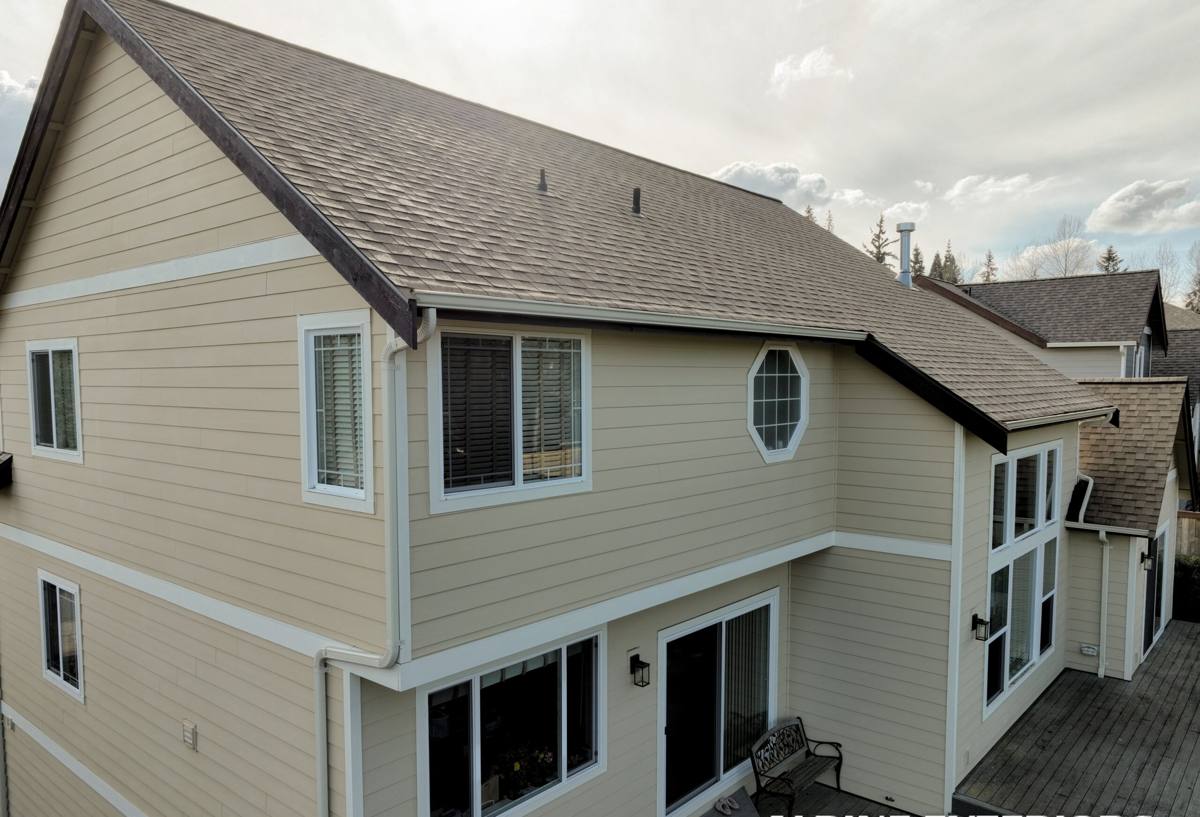
On most St. Pete Beach homes, west- and south-facing glass takes the worst of it — afternoon sun that heats interior spaces well past what the thermostat calls for, especially on sliding glass doors and larger fixed windows sized to catch a water view rather than to manage solar heat gain. Older aluminum-framed, single-pane windows common in beach cottages built before current energy codes are the biggest offenders: aluminum conducts heat efficiently, which is useful in a pan but not in a window frame, and single-pane glass does almost nothing to block solar heat gain or keep Gulf-side humidity from working its way into the wall assembly around the frame.
Meeting Hurricane Code Without Giving Up Efficiency
Any window installed on a St. Pete Beach home also has to meet Pinellas County's wind-borne debris and structural requirements, and that used to mean a real trade-off — impact-rated glass historically wasn't as efficient as standard insulated glass. That gap has mostly closed. Modern impact windows use laminated glass with an interlayer that can carry the same Low-E coatings, gas fills, and multi-pane construction as a standard efficient window, so a homeowner here doesn't have to choose between storm protection and a lower cooling bill the way they might have a decade ago.
What that means in practice: when we spec a window for a St. Pete Beach home, the impact rating and the efficiency package get selected together, not as two separate decisions. The wind load and wind-borne debris rating for your specific wall and elevation come first, since that's a code requirement, and the efficiency package — coating, gas fill, frame material — gets built around whatever unit meets that structural requirement, not treated as an upgrade tacked on afterward.
What Actually Makes a Window Energy-Efficient
Glass and Coatings
Low-emissivity (Low-E) coatings are the single biggest factor in how much solar heat gets through a window, and in this climate, cutting solar heat gain matters more than almost anything else on the spec sheet — more, in most cases, than the insulation value of the frame. Multiple panes of glass with an inert gas fill like argon between them add a second layer of resistance to heat transfer, and on a coastal home, that sealed gas-fill layer also helps keep humid Gulf air from working its way between the panes over time, which is part of why seal quality matters as much as the glass spec itself.
Frame Material
Frame material changes both energy performance and how a window holds up to salt air. Aluminum frames are strong and common on impact-rated units, but plain aluminum conducts heat straight through unless the frame includes a thermal break — a strip of non-conductive material that interrupts that heat path. Vinyl frames insulate well and resist salt corrosion by nature, since there's no metal to corrode, though we spec formulations built for sustained heat rather than standard-grade vinyl. Fiberglass frames handle both heat and salt air with the least long-term maintenance of the three, at a higher upfront cost. We'll walk through which one makes sense for your specific home rather than defaulting to one material for every job.
The Ratings That Matter
Two numbers on a window's efficiency label matter most in this climate: the U-factor, which measures how well the window resists heat transfer overall, and the Solar Heat Gain Coefficient (SHGC), which measures how much solar heat actually gets through the glass. In a heating-dominated climate, U-factor gets most of the attention. Here, where cooling load is the whole story nearly year-round, SHGC deserves at least as much weight — a window with a low SHGC blocks more of the sun's heat before it ever becomes a load on the air conditioner, regardless of what the U-factor says.
Window Situations We See in St. Pete Beach and St. Petersburg
- Older aluminum single-pane windows in beach cottages — common in homes built before current energy codes, and usually the single biggest source of unwanted heat gain and drafts in the house
- Large sliding glass doors and picture windows facing the Gulf or Intracoastal — sized for the view, which means more glass area and more solar heat gain to manage
- Failed or fogged insulated glass units — seal failure lets humidity and heat back into what used to be a sealed, gas-filled airspace, which shows up as visible fog or condensation between panes
- Post-renovation mismatches — additions or Florida room conversions where the new glass doesn't match the efficiency or impact rating of the original structure
- Corroded frames and hardware on older units — salt air working on aluminum and steel components long before the glass itself gives out
- Full-home replacements ahead of hurricane season or an insurance renewal — homeowners upgrading to impact-rated, energy-efficient units to satisfy both goals at once
What a Correct Installation Involves
Assessment and Product Selection
We start by looking at each elevation of the house separately — a west-facing wall taking full afternoon sun needs a different SHGC target than a shaded north-facing wall, and a Gulf-facing opening needs a different wind and impact rating than one set back from the water. Product selection follows that assessment; we don't spec the same window package for every wall of the house.
Flashing and Moisture Management
An efficient window installed without correct flashing will still let wind-driven rain and humidity into the wall assembly, which undermines the insulation value of the wall around the window no matter how good the glass is. We detail flashing to shed water outward and lap it correctly at the sill and head, since that's where most water intrusion problems actually start on this coastline.
Sealing, Trim, and Finish
The gap between the new window and the framing gets sealed and insulated as part of the install, not left to whatever gap happened to be there — an efficient window set into a poorly sealed rough opening loses a meaningful part of its rated performance. Trim and exterior sealant get finished to hold up to constant UV and salt cycling, not just to look right on installation day.
Quick Checklist Before You Sign a Window Contract
- Ask for the SHGC and U-factor of the specific product being proposed, not just an "energy efficient" label
- Confirm the impact rating required for your specific wall and elevation, not a generic coastal recommendation
- Ask what frame material is being used and how it holds up to salt air specifically
- Get the flashing and sealing plan explained, not just the product spec sheet
- Ask whether the window unit and the installation labor carry separate warranties
- Get a realistic lead time in writing — impact-rated, efficient units are often built to order
Our Process, Start to Finish
- On-site assessment — we evaluate each elevation's sun exposure and wind rating needs individually
- Honest product recommendation — impact-rated, energy-efficient options matched to your home and budget, with the reasoning explained
- Ordering and lead time — a realistic timeline, since impact-rated efficient units are typically made to order
- Removal and opening prep — old units come out carefully, with any hidden rot, corrosion, or flashing issues addressed before the new window goes in
- Installation and sealing — new units are set, insulated at the rough opening, and sealed to hold up to Gulf humidity and salt air
- Flashing, trim, and finish — weatherproofing detailed for the opening, then finished to match the home's exterior
Costs and Trade-Offs
| Factor | What Changes the Price |
|---|---|
| Glass package | Low-E coatings, gas fill, and laminated impact interlayers add cost over basic clear glass but cut cooling load meaningfully in this climate |
| Frame material | Fiberglass typically costs more upfront than vinyl or aluminum but needs the least long-term maintenance in salt air |
| Impact rating required | Direct Gulf-facing exposure usually needs a higher-rated unit than a wall set back closer to the Intracoastal or further inland |
| Opening condition | Rot, corrosion, or prior flashing failures on older beach homes add repair work before the new unit goes in |
| Number of units | A full-home replacement typically has better per-unit economics than replacing one or two windows at a time |
Why Hiring a Crew That Works This Coastline Matters
A window's efficiency rating is calculated on a bench in a lab, not on a west-facing wall in St. Pete Beach in August. Getting that rated performance in the real world depends on installation details a spec sheet doesn't cover — how the rough opening gets insulated, how flashing gets sequenced on a wide sliding door versus a standard window, when a sealant joint needs extra attention because of constant UV and salt cycling. A crew that doesn't work this coastline regularly can install a genuinely efficient product and still leave performance on the table because of how it went in.
We work in St. Pete Beach and around St. Petersburg regularly, so we're not guessing at how a particular wall type, exposure, or window style tends to hold up here over time. That shows up in the small decisions — the ones that decide whether a window is still sealed tight and performing three or four hurricane seasons later, or starting to leak air and moisture well before that.
Ready When You Are
If your cooling bills feel high for the size of your home, your windows are original to a beach cottage built decades ago, or you're planning a renovation and want hurricane protection and efficiency handled together, it's worth having someone look at the actual openings and sun exposure before you start pricing units. We offer free, no-pressure estimates for energy-efficient window projects in St. Pete Beach and around St. Petersburg — use the form below to get a time on the schedule.