 St. Petersburg
 Snell Isle's Waterfront Setting Puts Extra Demands on Windows
Snell Isle sits right on the water, with canal frontage and open bay exposure that most inland St. Petersburg neighborhoods don't deal with. That location is part of what makes the neighborhood desirable, but it also means the homes here take a harder hit from the elements than a house a few miles inland. Salt-laden air moves off the water and settles on everything, wind has a longer, more open run before it reaches a canal-front wall, and driving rain during a tropical system or even a strong summer storm finds every gap in an aging window assembly. Replacing windows in Snell Isle isn't just a cosmetic upgrade — it's a chance to correct for conditions the original installation may not have fully accounted for.
A lot of the housing stock in this part of St. Petersburg is older, with a mix of mid-century construction and more recent waterfront rebuilds. Older aluminum-frame single-pane windows were never designed for today's Florida Building Code wind and impact standards, and even windows installed a decade or two ago may be under-specified for a direct waterfront lot. Getting the replacement right means understanding both the age of the home and its specific exposure to wind and salt.
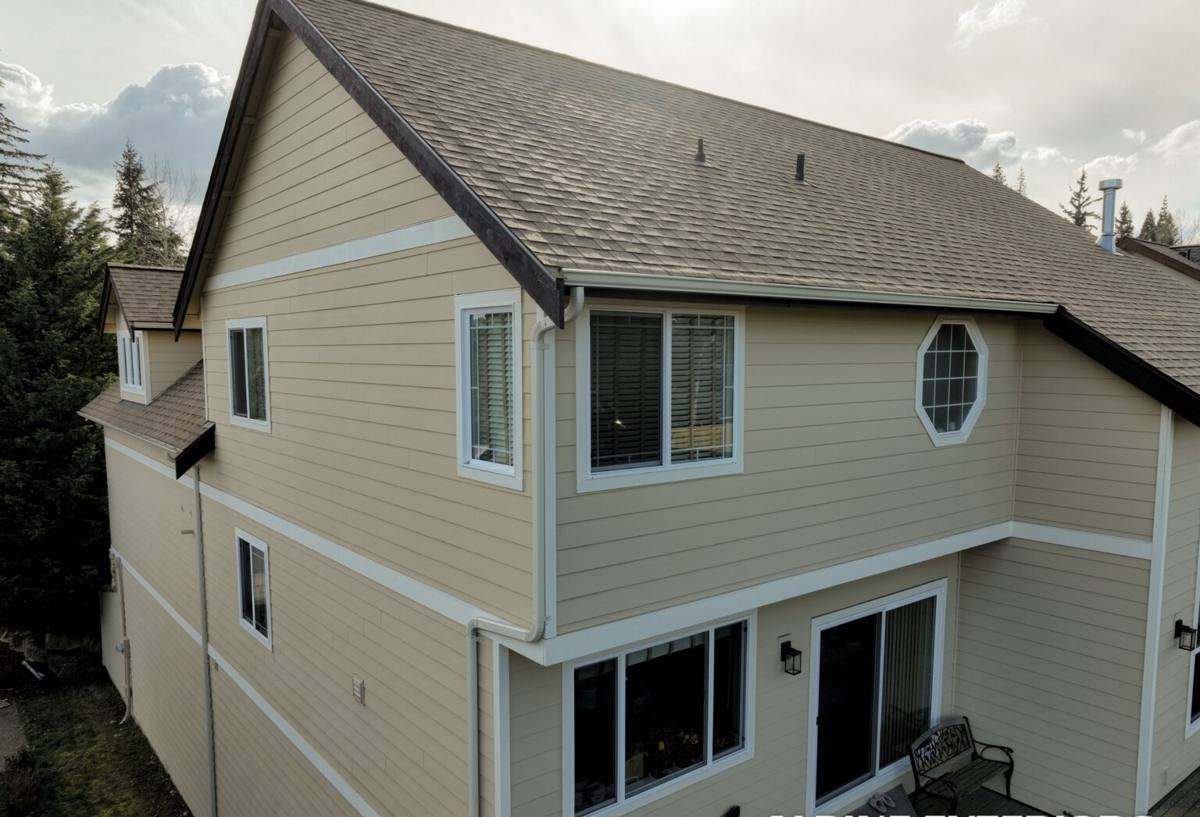
What Pinellas County's Climate Does to Windows Over Time
Salt air and corrosion
Salt air is corrosive to metal hardware, screen frames, and window tracks. On a canal-front or bay-facing property, that corrosion happens faster than the manufacturer's general climate ratings assume. Locks stick, rollers seize, and aluminum frames can pit and discolor years before an inland window would show the same wear.
UV exposure
St. Petersburg gets strong, direct sun essentially year-round. UV breaks down vinyl and rubber glazing seals, fades interior finishes near the glass, and dries out old caulk and weatherstripping until air and water start finding their way through. A window that looked fine five years ago can have a compromised seal today purely from sun exposure.
Wind-driven rain and pressure
Hurricane-force wind isn't the only threat — wind-driven rain during a routine summer storm can push water through gaps that would never leak in a calm rain. And wind pressure on a waterfront lot, with no buildings or tree cover to break it up, is genuinely different from wind pressure a few blocks inland. Window selection and installation both need to account for that.
Florida Building Code and Wind Requirements in This Area
Pinellas County enforces Florida Building Code wind provisions based on the property's wind speed zone, which is influenced by proximity to open water. Homes on Snell Isle's canals and waterfront lots are typically in a higher design wind speed category than homes set back further inland, which affects what window products are code-eligible and what permit documentation is required.
In practice, this means:
- Replacement windows generally need current Florida Product Approval or Miami-Dade NOA (Notice of Acceptance) documentation showing they meet the wind load and impact requirements for the site.
- A building permit is typically required for window replacement in St. Petersburg, and the work needs to pass inspection.
- If the home isn't using impact-rated glass, code requires an approved opening protection system (shutters or panels) rated for the same wind zone.
- Older homes may have window openings that don't match current code sizing or anchoring standards, which can affect installation method.
We handle the permit process and product documentation as part of the job — you shouldn't have to chase that down yourself, and skipping it can create real problems at resale or with insurance.
Choosing the Right Window for a Snell Isle Home
Impact-rated vs. protected non-impact
Impact-rated windows use laminated glass that stays intact even when the outer pane cracks, so they meet code without needing separate shutters. Non-impact windows are still a valid option if paired with code-rated shutters or panels, but that means a step to deploy them before a storm, and shutters don't do anything for everyday wind-driven rain or noise the way laminated glass does. For a waterfront property with regular storm exposure, most homeowners here decide the added upfront cost of impact glass is worth not relying on a separate protection system.
Frame material
Vinyl, aluminum, and fiberglass all show up in this market, each with different tradeoffs in a salt-air environment:
| Frame Material | Salt Air Behavior | Maintenance | Typical Fit |
|---|---|---|---|
| Vinyl | Won't corrode; UV-stable formulations resist yellowing | Low — occasional cleaning | Cost-conscious full replacements |
| Aluminum | Can corrode/pit over time near open water unless properly coated | Moderate — hardware and finish need attention | Larger openings, some historic/architectural matches |
| Fiberglass | Highly resistant to corrosion and UV degradation | Low | Higher-end replacements, long-term durability priority |
Glass and coatings
Low-E coatings cut down on solar heat gain, which matters for west- and south-facing waterfront rooms that get direct afternoon sun. Laminated impact glass also blocks a meaningful amount of UV and outside noise, which is a real benefit if the home sits near boat traffic or open water where sound carries.
What a Correct Installation Actually Involves
The window product matters, but on a waterfront home the installation details matter just as much — this is where a lot of leaks and premature failures actually originate, not in the window itself.
- Opening inspection: checking the rough opening for wood rot, corrosion, or structural issues before anything new goes in — common on older Snell Isle homes with decades of moisture exposure.
- Proper flashing: integrating flashing with the existing wall assembly so water is directed out, not trapped behind the new window.
- Correct anchoring: using fasteners and spacing rated for the site's actual wind load, not a generic minimum.
- Sealant selection: using sealants rated for sustained UV and salt exposure, applied at the manufacturer-specified joints — not just a bead around the perimeter.
- Weep system checks: making sure any water that does get into the frame track has a clear path back out.
Skipping or rushing any of these steps is how a technically code-compliant window still ends up leaking or failing early in a high-exposure location like this one.
Our Process for a Snell Isle Window Replacement
- On-site assessment: we look at each opening, the home's wind zone, current window condition, and any moisture or structural concerns before recommending products.
- Product and permit planning: we select windows with the correct wind load and impact rating for the specific address, and prepare the permit package with the required product documentation.
- Precise measurement: every opening is measured individually — older homes rarely have perfectly uniform openings, even within the same wall.
- Installation: old windows are removed, the opening is inspected and prepped, and the new window is set, flashed, sealed, and anchored to code.
- Inspection and walkthrough: we coordinate the required city inspection and walk the finished work with you before calling the job done.
What Window Replacement Typically Costs to Plan For
Every home and opening is different, so exact numbers depend on size, frame material, glass package, and how many windows are being replaced at once. In general terms, the biggest cost drivers are:
| Factor | Effect on Cost |
|---|---|
| Impact vs. non-impact glass | Impact glass costs more upfront but removes the need for separate shutters |
| Frame material | Vinyl is typically the most budget-friendly; fiberglass and higher-end aluminum cost more |
| Window size and configuration | Large picture windows, sliders, and custom shapes cost more than standard operable windows |
| Opening condition | Rot or structural repair needed at the opening adds labor before installation can begin |
| Number of windows | Whole-home replacement generally has a lower per-window cost than doing a few at a time |
We give you an itemized, honest estimate up front — no pressure to upgrade beyond what your home actually needs.
Why Local Experience in Snell Isle Matters
A window replacement crew that already knows this neighborhood brings a few real advantages. They've seen how the waterfront exposure here actually affects window hardware and seals over time, not just in general Florida terms. They know what Pinellas County's permitting and inspection process looks for on wind-zone properties. And on a neighborhood with narrow lots, canal-front access, and mature landscaping, knowing how to stage equipment and materials without turning the job into a bigger disruption than it needs to be is worth something too. Some homes here also fall under architectural or deed restrictions on exterior appearance — worth checking before ordering windows so the final look fits the neighborhood.
Maintaining New Windows in a Waterfront Environment
Even a well-installed, correctly rated window needs some upkeep in this environment to perform for its full service life:
- Rinse frames and hardware periodically to remove salt film, especially after storms or high-wind days off the water.
- Lubricate locks, rollers, and hinges on a regular schedule — salt air accelerates hardware wear.
- Inspect exterior caulk and sealant joints annually and re-seal any that show cracking or gaps.
- Keep weep holes clear of debris so water drains properly out of the frame track.
- Have shutters or panels (if used instead of impact glass) tested and stored ready before hurricane season each year.
If your Snell Isle home has aging windows, visible corrosion, fogged glass, or you're simply not confident they'd hold up in the next serious storm, we're happy to come take a look. We'll give you a straightforward, no-pressure estimate based on your home's actual exposure and condition — just fill out the form below to get started.