 St. Petersburg
 Siding Built for Pinellas Park's Climate, Not Just Its Curb Appeal
Pinellas Park sits inland from the immediate coastline, but "inland" in Pinellas County still means salt-laden air, wind-driven rain, and some of the most intense year-round UV exposure in the continental United States. Homes here take a different kind of beating than a house in Ohio or even North Florida. Siding that isn't engineered for this specific combination of stressors — heat, humidity, hurricane-force wind gusts, and salt corrosion — tends to show its age early: fading, warping, soft spots, and seams that open up years before they should.
When we talk about siding installation in Pinellas Park, we're not talking about a generic product slapped on according to a generic manual. We're talking about a system — material, fastening pattern, flashing detail, and caulking spec — matched to what this specific part of St. Petersburg actually experiences every summer and every hurricane season.
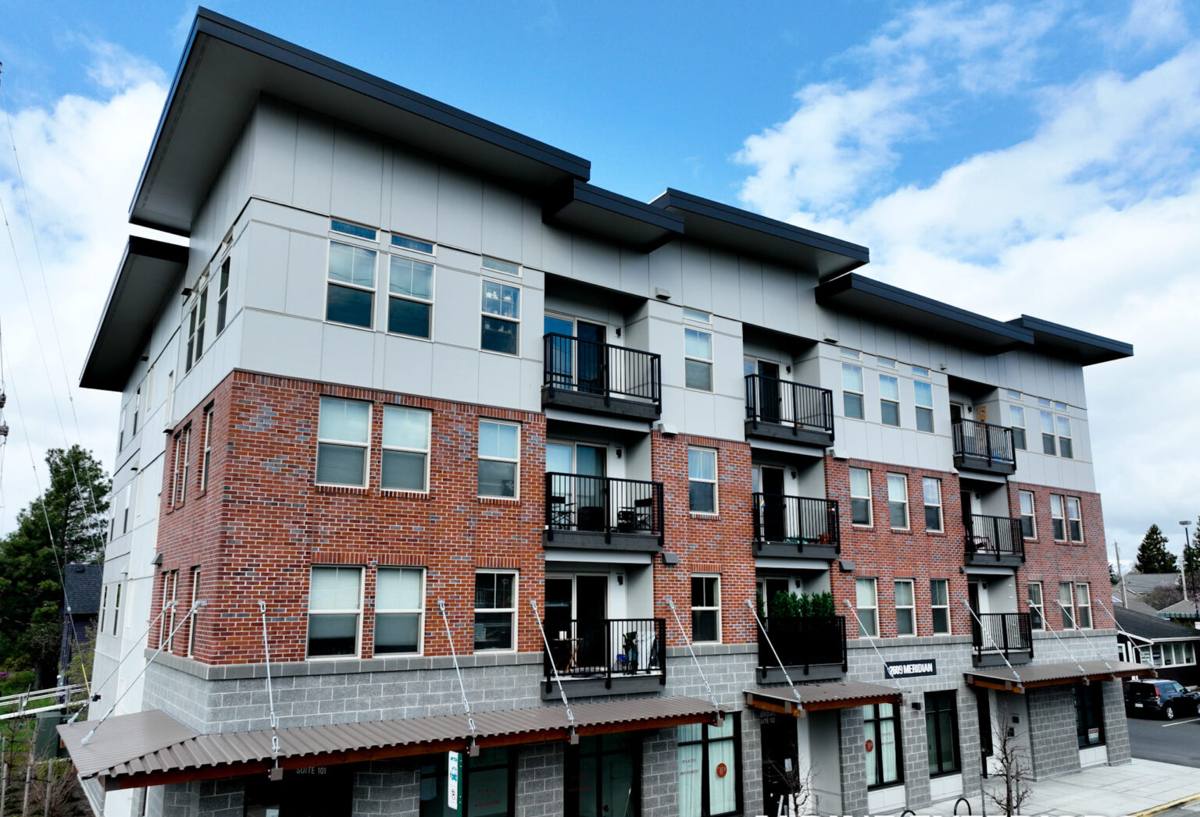
What Pinellas Park Homes Actually Need From Their Siding
Wind Resistance That Meets Real Storm Loads
Pinellas County building code isn't decorative — it reflects the real wind loads this area sees during tropical storms and hurricanes. Siding installation here has to account for wind uplift at every course, every corner, and every panel edge. That means correct fastener spacing and type, not just "enough nails," and it means the manufacturer's installation instructions are followed to the letter, since that's what preserves both the wind rating and the warranty.
Moisture Management Behind the Siding
Wind-driven rain doesn't just hit siding — it gets pushed into any gap that will take it. A correct installation is as much about what's behind the siding as what's visible: proper weather-resistive barrier, correctly lapped and taped, flashing at every window, door, and penetration, and a drainage plane that lets any moisture that does get in find its way back out instead of sitting against the sheathing.
UV and Heat Stability
Florida sun breaks down a lot of exterior materials over time — fading colors, softening caulk, and stressing anything with an adhesive-bonded finish. Siding installed in Pinellas Park needs a factory finish that's formulated to hold color and integrity under sustained UV exposure, not a field-applied paint job that starts chalking within a few years.
Salt Air Corrosion
Even set back from the water, Pinellas Park gets enough salt-laden air moving through on sea breezes to accelerate corrosion of fasteners, trim, and any component that isn't rated for it. Correct installation means using fastener and flashing materials that are actually compatible with a coastal-influenced environment, not generic hardware pulled from a standard inland spec sheet.
Why We Install Only James Hardie Fiber Cement
We made a deliberate decision to install one siding system across every job we do: James Hardie fiber cement. We don't install vinyl, LP SmartSide, Cemplank, Allura, or wood products like primed spruce or cedar, and we're upfront with homeowners about why.
Fiber cement is non-combustible, which matters in a state where lightning-sparked and wildfire risk is a real consideration for insurers and homeowners alike. It doesn't warp, rot, or attract termites the way wood-based products can in a humid climate. Its ColorPlus factory finish is baked on and warranted against fading, which holds up far better under Florida UV than field-applied paint on wood siding or the color-molded finish on vinyl, which can become brittle and fade over time in constant sun. And James Hardie engineers specific product lines — their HZ5 formulation — for high-humidity, hurricane-prone climates like ours, which is a meaningfully different product than what gets sold in drier, colder markets.
None of this means other products are junk. Vinyl is inexpensive and easy to install fast. Wood has a look some homeowners want. LP SmartSide and similar engineered wood products have real fans. But each of those comes with a trade-off — impact vulnerability, moisture sensitivity, seam behavior in high wind, or maintenance burden — that we don't think holds up as well over 20-30 years on a Pinellas Park roofline as fiber cement does. We'd rather install one product exceptionally well than offer five and cut corners on all of them.
What a Correct Siding Installation Involves
- Tear-off and substrate inspection — removing old siding and checking the sheathing underneath for rot, moisture damage, or soft spots before anything new goes up.
- Repair of any compromised sheathing — covering over damaged wood locks in a problem, not a fix.
- Weather-resistive barrier installation — a correctly lapped and sealed house wrap or building paper, which does most of the real work keeping bulk water out.
- Flashing at every penetration — windows, doors, vents, hose bibs, electrical penetrations — each one detailed to shed water down and out, not into the wall cavity.
- James Hardie panel or lap installation — following manufacturer fastening schedules exactly, including starter strips, corner treatments, and butt joint sealing.
- Caulking and sealant at trim and transitions — using sealants rated for exterior UV and movement, not general-purpose caulk.
- Final inspection — checking fastener patterns, gaps, and finish before calling the job complete.
Skipping or rushing any one of these steps is how a siding job that looks fine on installation day starts failing in year three or four.
Our Process for Pinellas Park Jobs
| Stage | What Happens |
|---|---|
| Site visit and assessment | We inspect existing siding, sheathing condition, and any problem areas specific to your home's exposure and orientation |
| Written estimate | Clear scope, product line and color selection, and timeline — no surprise add-ons buried in fine print |
| Material staging | Product ordered and staged, permits pulled where required by Pinellas County or the City of St. Petersburg |
| Tear-off and substrate check | Old siding removed, sheathing inspected and repaired as needed before moving forward |
| Installation | Weather barrier, flashing, and James Hardie siding installed to manufacturer and code specification |
| Final walkthrough | Homeowner walkthrough to confirm the finished work before we consider the job done |
Cost Factors Specific to This Area
Every siding job prices out differently based on a handful of variables that matter more in Pinellas Park than they might elsewhere:
| Factor | Why It Matters Here |
|---|---|
| Home size and complexity | More corners, dormers, and penetrations mean more flashing detail work, which affects labor time |
| Existing substrate condition | Humidity and past moisture intrusion sometimes mean sheathing repair is needed before new siding goes up |
| Product line selection | James Hardie offers different plank profiles and panel styles at different price points within the HZ5 line |
| Color and finish | ColorPlus factory-finished options versus field-painted affects both cost and long-term fade resistance |
| Permitting and code requirements | Wind-rated installation specs in Pinellas County can affect fastening requirements and labor |
Why Hiring a Crew That Already Works in Pinellas Park Matters
Siding installation isn't just a product — it's a set of judgment calls a crew makes on-site: how to flash an unusual window detail, how tight to run fastener spacing given the specific wind exposure on a corner lot, how to sequence work around a Florida afternoon thunderstorm without leaving a wall open to rain. A crew that already works Pinellas Park and greater St. Petersburg has already made those calls dozens of times on homes with similar age, construction, and exposure. That experience shows up in fewer callbacks and a job that holds up through the next several hurricane seasons, not just through the final walkthrough.
It also matters for permitting and code familiarity. Local crews know what Pinellas County and St. Petersburg inspectors are looking for, which keeps the job moving instead of stalling on avoidable corrections.
Signs Your Current Siding Needs Attention
- Visible warping, buckling, or panels that flex when pressed
- Soft spots or discoloration that could indicate moisture behind the siding
- Cracked, faded, or chalking finish that no longer sheds water well
- Gaps opening at seams, corners, or trim transitions
- Rising energy bills that may point to a compromised weather barrier
- Visible fastener corrosion or staining running down from nail heads
If any of these sound familiar, it's worth having the siding looked at before the next storm season rather than after damage forces the issue.
Get a Straight Answer About Your Siding
If your Pinellas Park home's siding is showing its age, or you're planning ahead of hurricane season and want a professional opinion on what shape it's really in, we're glad to take a look. We'll give you a straightforward assessment of what your home needs and what a correctly installed James Hardie system would involve — no pressure, no upsell into a product we don't stand behind. Request a free estimate using the form below.