 St. Petersburg
 Roof Repair Built for a Waterfront Neighborhood
Snell Isle sits right on Tampa Bay, and that location shapes everything about how a roof ages here. Homes on or near the water take on more than the average share of wind, salt, and moisture, and that shows up in the roof long before it shows up anywhere else on the house. A repair that would hold up fine a few miles inland can fail early on Snell Isle if it isn't done with that exposure in mind.
This page covers roof repair specifically for Snell Isle — not a generic rundown of shingle problems, but what actually goes wrong on roofs in this part of St. Petersburg, what a correct repair involves, and how we approach the job when we're called out here.
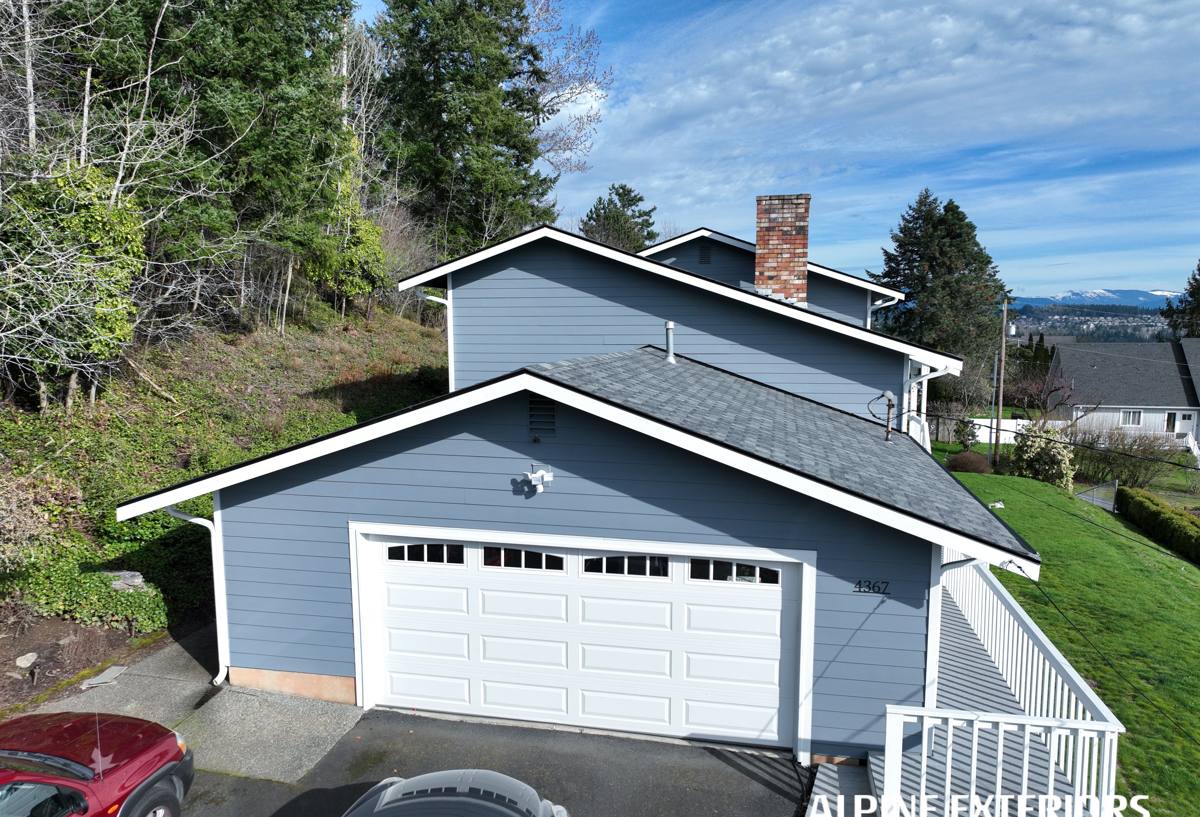
What Snell Isle's Climate Does to a Roof
Pinellas County roofs deal with a demanding combination of stressors year-round, and waterfront neighborhoods like Snell Isle get an extra dose of most of them.
Salt Air
Being surrounded by water means a steady exposure to salt-laden air. Salt accelerates corrosion on any exposed metal — flashing, fasteners, drip edge, gutter hangers, pipe boots with metal collars. A fastener that would last decades inland can start weeping rust stains and losing holding power years sooner on a canal-front or bay-facing roof. This is one of the most common root causes of a "mystery leak" we find on homes out here: it's not the shingle or tile that failed first, it's the metal underneath it.
Hurricane-Force Wind
Open water exposure means wind loads on Snell Isle roofs can run higher than what a roof a mile or two inland experiences during the same storm. Wind works on a roof by getting under an edge — a shingle tab, a ridge cap, a tile that's lost its adhesive or mechanical fastening — and prying upward. Once wind gets a starting point, the damage spreads fast, and repeated storm cycles over the years loosen fasteners and sealant even when nothing looks obviously broken.
Intense, Year-Round UV
Central Florida sun is hard on roofing materials every month of the year, not just summer. UV breaks down asphalt shingle granules and the oils that keep them flexible, and it dries out sealants and rubber boot collars faster than in most parts of the country. A roof here simply ages on a faster clock than the same roof up north.
Wind-Driven Rain
Florida rain rarely just falls straight down — storms off the bay push rain sideways into vertical surfaces, valleys, and any gap in flashing. A roof that would keep out a normal rain shower can still leak in a wind-driven event if flashing laps and sealant aren't done correctly, because the water is being pushed uphill and sideways, not just draining down.
Common Repair Issues We See in This Neighborhood
The specific problems we're called out for on Snell Isle skew toward wind and moisture damage more than they do on drier, more inland streets.
| Symptom | Likely Cause | What a Proper Repair Involves |
|---|---|---|
| Ceiling stain near an exterior wall or chimney | Failed step or counter-flashing, often corroded from salt exposure | Remove and replace flashing sections, not just caulk over the gap |
| Granules collecting in gutters, shingles look "bald" in patches | UV breakdown accelerating normal wear, sometimes combined with prior wind lift | Replace affected shingles with matched material and check underlayment condition beneath |
| Cracked or slipped roof tiles | Foot traffic, wind uplift, or aging fasteners/mortar | Reset or replace individual tiles, matched to existing profile and color |
| Leak that only appears during storms with wind | Wind-driven rain finding a flashing lap or valley gap | Rework the flashing lap and valley detail, not a surface-level patch |
| Rust streaks below vents, pipes, or metal edges | Salt-accelerated corrosion of metal components | Replace corroded metal with fastener and flashing types rated for coastal exposure |
| Soft or discolored fascia and soffit | Ongoing moisture intrusion from an unresolved roof leak upstream | Trace the leak to its source on the roof first, then address the wood damage |
What a Correct Repair Actually Involves
A lot of roof "repairs" are really just a bead of sealant over the spot where water is showing up inside the house. That can buy a little time, but it doesn't fix anything, and on a roof exposed to Snell Isle's wind and salt, that kind of patch tends to fail again within a season or two.
A repair that actually holds up starts with finding the real point of entry, which is often several feet away from the ceiling stain — water travels along the underlayment or a rafter before it drips through. From there, a proper repair means:
- Removing the damaged material down to sound decking or an intact flashing lap, not just working around it
- Replacing corroded metal with new flashing rather than caulking over rust
- Matching shingle or tile type, profile, and color as closely as possible so the repair doesn't stand out or create a mismatched water path
- Re-establishing correct flashing laps and fastening patterns, not relying on sealant to do a flashing's job
- Checking underlayment condition in the repaired area, since UV and age can leave it brittle even if the surface layer looks fine
- Confirming the fix meets current Florida Building Code requirements for wind resistance in this region
Sealant still has a role — it's the right tool for certain small penetrations and as a finishing step — but it's a supplement to correct flashing and fastening, never a substitute for it.
Our Repair Process
- Inspection. We get on the roof (not just a look from the ground) and trace the leak or damage to its actual source, checking flashing, valleys, penetrations, and the surrounding field for related wear.
- Diagnosis and explanation. We tell you plainly what's causing the problem, what's involved in fixing it correctly, and what it would take. If it's a small, isolated repair, we say so. If we see signs the roof is nearing the end of its useful life, we say that too.
- Documentation. If the damage is storm-related, we document it clearly enough to support an insurance claim if you choose to file one.
- The repair. We remove and replace what actually needs replacing, using materials that match the existing roof and are appropriate for coastal exposure.
- Cleanup and check. Debris and old material removed, work area checked, and a final look to confirm the fix is sound before we consider the job done.
Repair or Replace? Honest Factors to Weigh
Not every roof problem calls for a full replacement, and not every leak can be permanently solved with a patch. The right call depends on the roof's age, condition, and how widespread the damage actually is.
| Factor | Leans Toward Repair | Leans Toward Replacement |
|---|---|---|
| Roof age | Well within expected service life for the material | At or past the typical lifespan for that roofing type |
| Damage extent | Isolated to one section, flashing, or penetration | Spread across multiple areas or recurring in different spots |
| Underlayment condition | Still flexible and intact where checked | Brittle, cracked, or failing in multiple areas |
| Storm history | Single event, damage clearly bounded | Cumulative wear from repeated storm cycles over the years |
| Insurance and cost picture | Repair cost is proportionate to the problem | Repeated repairs are starting to add up to a meaningful fraction of replacement cost |
We'll give you our honest read on which side of that line your roof is on. We don't have any incentive to talk you into a replacement you don't need, and we're not going to keep patching a roof that's genuinely done.
Roofing Materials on Snell Isle Homes
Snell Isle's housing stock includes a mix of asphalt shingle, tile, and some metal roofing, spanning homes built across several decades. That mix matters for repair work, because each material behaves differently and needs a different repair approach.
Asphalt Shingle
The most common material and generally the most straightforward to repair, provided we can match the existing shingle closely enough that the repaired section doesn't create a visible patch or an uneven water path.
Tile
Tile roofs are durable against UV and generally handle wind well when properly fastened, but individual tiles crack from impact or foot traffic, and the underlayment beneath the tile is what actually keeps water out — tile itself mostly sheds it. A tile repair that only replaces the visible cracked tile without checking the underlayment underneath can leave the real problem unaddressed.
Metal
Metal roofing handles wind and UV well, but on a waterfront property the fasteners, seams, and flashing details are the parts most likely to need attention over time due to salt exposure. Repair work on metal roofs is almost always about the details and connections, not the panels themselves.
Signs You Should Have Your Roof Looked At
Most roof problems give some warning before they turn into an active leak. Worth a call if you notice:
- A water stain on a ceiling or in the attic, even a small one
- Shingles that look curled, cracked, or missing granules in patches
- Tiles that are visibly cracked, slipped out of place, or missing
- Rust streaking below a vent, pipe boot, or metal roof edge
- Daylight visible through the roof deck from inside the attic
- A musty smell in an upstairs room or closet with no obvious source
- Debris, granules, or small pieces of roofing material collecting in gutters
- Any leak that shows up specifically during windy or wind-driven-rain storms
Why a Local St. Petersburg Crew Matters Here
Roof repair on Snell Isle isn't quite the same job as roof repair on a dry inland street. A crew that regularly works waterfront Pinellas County neighborhoods knows to check corrosion on metal components first, knows how wind-driven rain behaves in valleys and flashing laps here, and knows what Florida Building Code requires for wind resistance in this area. That local familiarity means fewer surprises, a more accurate diagnosis on the first visit, and a repair that's built for the conditions this specific roof actually faces — not a generic fix that happens to be located in Florida.
It also means faster response. After a wind event, being able to get someone on your roof quickly to assess and tarp damage if needed makes a real difference in preventing a manageable repair from turning into a bigger one.
If you're dealing with a leak, storm damage, or just want an honest read on your roof's condition, we're happy to take a look. The estimate is free, there's no pressure, and you'll get a straight answer about what your roof actually needs — use the form below to get started.