 St. Petersburg
 New Roof Installation for Roser Park Homes
Roser Park is one of St. Petersburg's older, established neighborhoods, and that shows up on the roofline. A lot of the housing stock here predates modern wind codes and modern roofing materials, and many homes sit under mature tree canopy that younger subdivisions simply don't have. When a roof on a home like this reaches the end of its life, a straight swap of "what's up there now" for the same thing again usually isn't the right call. The better approach is to treat the replacement as a chance to bring the whole roof system — decking, underlayment, flashing, ventilation, and covering — up to what current wind and moisture standards actually require, while still respecting the look of an older home.
This page covers what a full New Roof Installation looks like specifically for a Roser Park property: what the local climate does to a roof over time, what a correct installation involves layer by layer, and why it matters to hire a crew that already understands older St. Petersburg homes rather than one that only knows new construction.
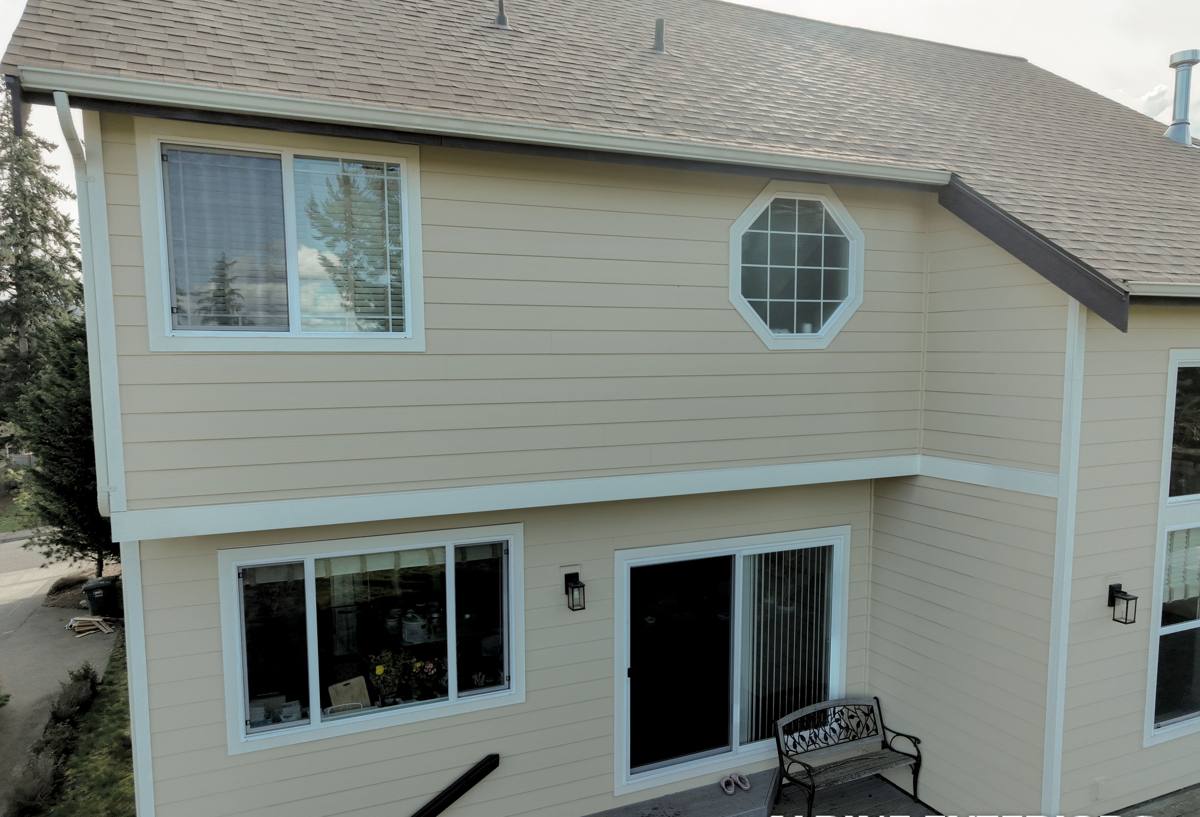
What Pinellas County Weather Does to a Roof
St. Petersburg sits on a peninsula, and that location cuts both ways — beautiful views, brutal exposure. A new roof here is fighting several things at once, year after year:
- Hurricane-force wind: Even a season without a direct hit still brings tropical systems and strong thunderstorm outflow that stress shingles, ridge caps, and flashing at their edges and fasteners.
- Wind-driven rain: Water doesn't just fall straight down here — it gets pushed sideways up under laps, valleys, and around penetrations, which is why underlayment and flashing details matter as much as the shingles themselves.
- Intense, near year-round UV: Florida sun breaks down asphalt oils and adhesive strips faster than in most of the country, which is a major reason roofs in this area age quicker than the "20-25 year" number on the shingle wrapper suggests.
- Salt air: Being close to Tampa Bay means airborne salt accelerates corrosion on exposed metal — nails, flashing, vent stacks, and fasteners — unless corrosion-resistant hardware is used from the start.
None of this is unique to Roser Park, but it's worth saying plainly: a roof installed here has a harder job than the same roof installed inland. Materials and installation details need to reflect that.
What Roser Park's Older Homes Specifically Need
Aging Structure Below the Surface
Homes in this part of St. Petersburg often have older roof decking and framing that has been recovered or patched over the years. A proper tear-off (rather than a shingle-over-shingle job) is the only way to actually see the plywood or plank decking underneath, check it for soft spots or old nail-hole damage, and replace what's failed before new material goes down. Skipping this step is the single most common reason a "new" roof underperforms.
Tree Canopy and Debris
Mature trees are part of what makes this neighborhood pleasant to live in, but they also mean more leaf litter, more shade holding moisture on the roof surface, and a higher chance of limb debris during storms. That affects material choice, valley and gutter detailing, and how often a roof should be inspected after installation.
Older Rooflines and Character
Many homes in this area have simpler gable or hip rooflines from an earlier building era, sometimes with additions that created extra valleys, transitions, or lower-slope sections over time. Each of those transitions is a place water can find a way in if flashing isn't done correctly, so an installer needs to actually look at the roof's specific geometry rather than treat it as a generic rectangle.
Historic District Considerations
If a property sits within a locally designated historic area, there may be city guidelines around visible exterior changes, including roofing appearance. We don't guess on this — if a home is in a historic overlay, we recommend confirming any applicable guidelines with the City of St. Petersburg before finalizing material choice, so there are no surprises at permitting or afterward.
Choosing the Right Roofing System
There's no single "best" roof for every home — the right choice depends on budget, how long the owner plans to stay in the home, and how much wind and maintenance performance matters versus upfront cost. Here's how the common options compare for a coastal Pinellas County home:
| Roofing Material | Typical Lifespan | Wind/Storm Performance | Upfront Cost |
|---|---|---|---|
| Architectural (dimensional) asphalt shingle | 18-25 years in this climate | Good when installed with correct nailing pattern and sealed properly | Lowest of the three |
| Standing seam metal | 40-50+ years | Excellent — among the strongest wind and wind-driven-rain performers available | Highest of the three |
| Concrete or clay tile | 40-50+ years (underlayment usually needs replacement sooner) | Strong when properly fastened, but individual tiles can crack from impact | High — mid to upper range |
For most Roser Park homes, architectural shingles remain the practical middle ground — reasonable cost, solid wind rating when installed correctly, and a look that fits an older neighborhood. Metal is worth serious consideration for owners planning to stay long-term who want to minimize future re-roofing and storm risk. Tile tends to suit homes where it matches the existing architectural style.
What a Correct Installation Actually Involves
The materials matter, but installation quality is what actually determines whether a roof performs in a storm. A correct New Roof Installation includes:
1. Full Tear-Off
Removal of all existing roofing material down to the decking — not layering over old shingles — so the deck can be inspected and any damaged sections replaced.
2. Deck Inspection and Repair
Soft, delaminated, or storm-damaged decking gets replaced before anything else goes down. This is the step that gets skipped by corner-cutting installers and it's the one that causes the most trouble later.
3. Underlayment
A synthetic or self-adhering underlayment provides the roof's real waterproof layer. In wind-driven rain, this layer — not the shingle itself — is often what keeps water out of the attic.
4. Flashing
New flashing at all valleys, roof-to-wall transitions, chimneys, and penetrations. Reusing old flashing to save time is a common shortcut that leads to leaks within a few storm seasons.
5. Fastening to Current Wind Code
Correct nail type, count, and placement per the Florida Building Code's wind requirements for this region — this is what actually determines shingle blow-off resistance, far more than the shingle brand.
6. Ventilation
Proper intake and exhaust ventilation keeps attic temperatures and moisture in check, which extends shingle life and helps with energy costs in Florida's heat.
7. Cleanup
A magnetic sweep for nails and full debris removal, particularly important on properties with mature landscaping where stray nails can end up in yards or driveways.
Our Process for a Roser Park Re-Roof
- On-site inspection — we get on the roof, not just look from the ground, and check decking condition, flashing points, and ventilation before quoting anything.
- Written estimate — clear scope, material options, and pricing with no vague allowances.
- Permitting — we pull the required City of St. Petersburg roofing permit and coordinate any historic district steps if applicable.
- Material delivery and staging — set up to protect landscaping and driveways, which matters more on older, tighter lots.
- Tear-off and deck repair — full removal, deck inspection, and replacement of any compromised sheathing.
- Installation — underlayment, flashing, and roofing material installed to current wind-code fastening standards.
- Final inspection and cleanup — city inspection where required, plus our own walk-through and magnetic nail sweep.
Why Local Experience in This Neighborhood Matters
A crew that regularly works in older St. Petersburg neighborhoods knows what to expect before the tear-off even starts: what kind of decking is likely underneath, how additions from different eras tend to complicate a roofline, and how to work carefully around mature trees and tight, established lots. That experience shortens surprises and change orders once the old roofing comes off. It also means we already understand Pinellas County permitting expectations and the realistic timeline for inspections, so a project doesn't stall waiting on paperwork nobody planned for.
Just as important is understanding the climate side of the equation. A roofer who mostly works inland may not think twice about salt-air corrosion on fasteners or the extra attention wind-driven rain demands at flashing details. Those aren't exotic problems here — they're the normal, everyday conditions a St. Petersburg roof has to handle for the next two to five decades.
Signs Your Roser Park Home May Need a New Roof
- Shingles that are curling, cracking, or losing significant granules
- Visible sagging anywhere along the roofline
- Daylight visible through the attic decking
- Frequent granule buildup in gutters
- Staining on interior ceilings, especially after wind-driven rain
- A roof that is approaching or past 18-20 years old, even with no obvious damage
- Missing or lifted shingles after a storm, even a minor one
Get a Straight Answer About Your Roof
If you're weighing a new roof for a home in Roser Park, we're happy to take a look and give you an honest read on condition, options, and realistic cost — no pressure, no inflated urgency. Fill out the form below to request a free estimate.