 St. Petersburg
 Why Pinellas Point Siding Takes More Punishment Than Most
Pinellas Point sits on a peninsula surrounded by water on three sides, which means homes here catch more of everything: more direct sun, more salt-laden humidity, more wind-driven rain, and a longer, harder run of hurricane season than inland St. Petersburg neighborhoods get. Siding on a Pinellas Point home isn't just decorative — it's the first line of defense against a coastal Pinellas County climate that never really lets up.
That constant exposure changes how siding fails. Instead of one dramatic problem, most homes here develop a collection of smaller issues: a cracked panel from a storm two summers ago, a soft spot where a downspout has been dumping water in the same place for years, caulk lines that gave up under UV stress, or paint that's chalking and fading faster than it should. None of that is unusual for this part of the county — but it does mean siding repair here has to be done by someone who understands coastal wear patterns, not just general carpentry.
Signs Your Siding Needs Repair, Not Full Replacement
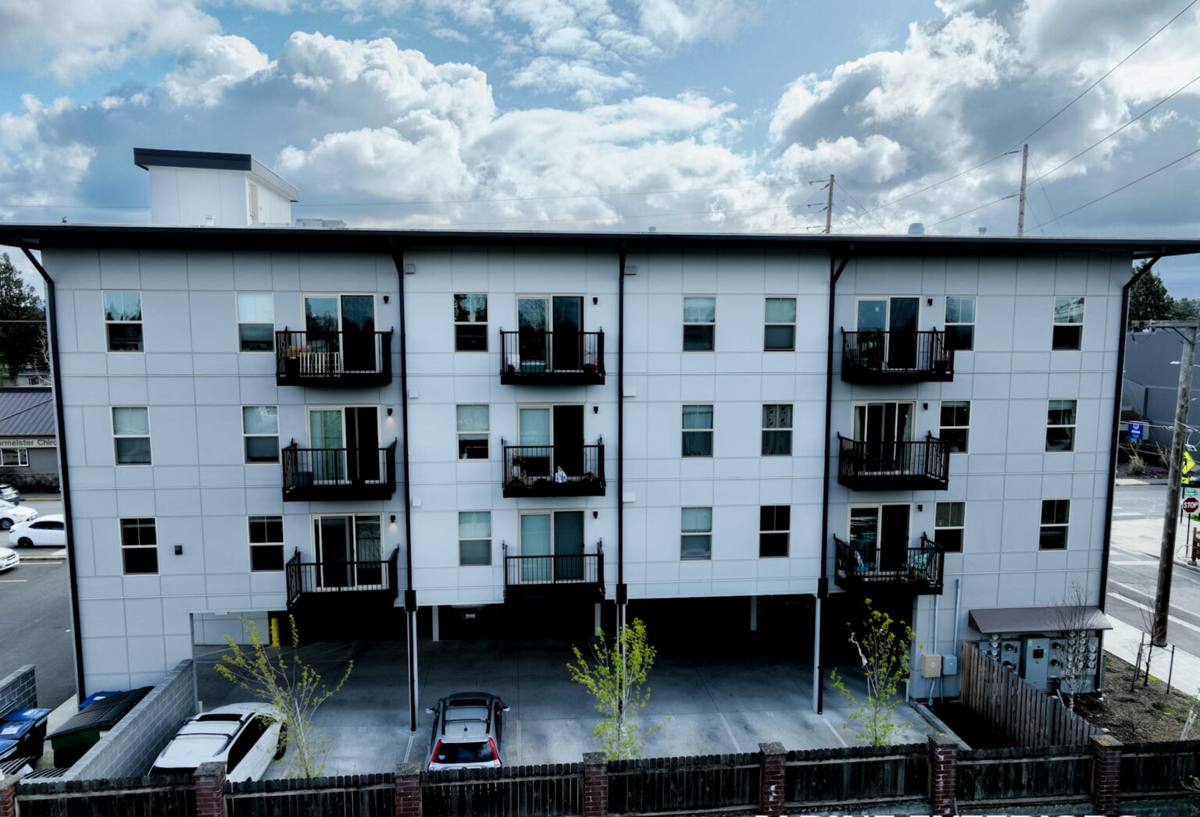
Most homeowners call us assuming the worst, but a large share of the siding problems we see in Pinellas Point are legitimately repairable if the underlying wall assembly hasn't been compromised. Here's what typically points to a repair rather than a full re-side:
- Isolated cracked, chipped, or impact-damaged panels from wind-blown debris
- Localized soft or spongy spots near a downspout, roof valley, or window corner
- Failed caulk joints letting water track behind trim or at panel seams
- Fading, chalking, or peeling paint on siding that's otherwise structurally sound
- Buckled or separated panels from poor original nailing or fastener backout
- Minor rot at trim boards or corner posts that hasn't spread into the sheathing
The distinction matters because repair only works when the damage is contained. If moisture has been getting behind the siding for a long time — which happens more on the coast, where wind-driven rain finds every gap — the sheathing or framing underneath can be compromised even when the surface damage looks minor. Part of an honest repair estimate is telling you when a patch would just be covering up a bigger problem.
What a Correct Siding Repair Job Actually Involves
Diagnosing the Real Cause, Not Just the Symptom
A cracked panel or a soft spot is a symptom. The job isn't done right if we replace the visible material without figuring out why it failed. That means checking flashing at windows and doors, looking at how water sheds off the roofline onto that section of wall, checking grade and drainage near the foundation, and confirming the house wrap or weather barrier underneath is still intact where we're opening the wall up.
Matching Material and Method
Repairs have to match the existing siding in profile, reveal, and finish — otherwise you end up with an obvious patch instead of a repair. On fiber cement siding specifically, that means cutting and fastening to the manufacturer's specifications, using the correct fasteners (not whatever is in the truck), and re-caulking with a product rated for exterior, UV-exposed joints — not standard interior caulk that will crack out again within a season or two in this heat.
Sealing Behind the Siding, Not Just On Top of It
Any time we open a section of wall for repair, we check and, where needed, repair the weather-resistant barrier behind the siding before closing it back up. Painting over a crack or gluing a panel back on without addressing what's happening behind it is a cosmetic fix that won't hold up through another hurricane season.
Repair or Replace? How We Make the Call
| Condition Found | Typical Recommendation | Why |
|---|---|---|
| Isolated panel damage, sound sheathing | Spot repair | Damage hasn't spread; matching material blends in cleanly |
| Failed caulk, minor fading, sound panels | Repair and refinish | Cosmetic and sealant issues, not structural ones |
| Rot at multiple points, soft sheathing | Section replacement | Moisture has already spread past the surface layer |
| Siding is 20+ years old, brittle, or failing broadly | Full re-side | Patching old, deteriorating material isn't cost-effective long term |
| Original install used incompatible or unrated materials | Full re-side | Underlying installation issues will keep resurfacing as repairs |
We walk you through which category your home falls into before any work starts, with photos and a plain explanation — not a sales pitch toward the more expensive option.
Our Siding Repair Process, Step by Step
- On-site inspection: We walk the exterior, check every elevation (not just the area you called about), and look for related issues you may not have noticed.
- Moisture and structural check: Where damage looks deeper than surface-level, we probe and, if needed, open a small test area to confirm what's underneath.
- Written scope and estimate: You get a clear breakdown of what's being repaired, what material is being used, and why — before we schedule anything.
- Repair work: Damaged material is removed, the substrate is checked and repaired if needed, new material is fitted and fastened to spec, and joints are sealed properly.
- Finish matching: Paint or factory-finish color is matched as closely as possible so repaired sections don't stand out.
- Final walkthrough: We review the completed work with you and flag anything else on the exterior worth keeping an eye on.
Why We Repair — and Recommend — James Hardie Fiber Cement
We install and repair James Hardie fiber cement siding exclusively. We don't work with vinyl, LP SmartSide, Cemplank, Allura, or primed wood siding, and that's a deliberate standard, not an oversight. In a coastal environment like St. Petersburg, the material choice directly affects how well a repair holds up over time.
Fiber cement is non-combustible, holds paint and factory finish far better under intense Florida UV than wood-based or vinyl products, and doesn't warp or soften the way some alternatives can when exposed to prolonged humidity and salt air. Hardie's ColorPlus factory finish is baked on and warranted separately from the substrate, which means color match on a repair is more reliable than trying to match field-applied paint years later. Hardie also engineers specific product lines (their HZ5 line, for example) for higher-moisture, higher-humidity climates — which is exactly the environment Pinellas Point sits in.
That said, we're upfront that Hardie isn't a magic material — it still requires correct installation, proper fastening, and real sealant work to perform the way it's designed to. A poorly installed Hardie repair will fail just like a poorly installed anything-else repair. The advantage is that when it's installed to spec, it gives you a longer, more predictable service life and a stronger warranty behind it than the alternatives we've chosen not to install.
Cost Factors in Pinellas Point Siding Repair
| Factor | Impact on Cost |
|---|---|
| Size and number of damaged areas | More affected areas mean more material and labor time |
| Accessibility (second story, tight setbacks) | Height and access equipment add labor cost |
| Extent of hidden moisture damage | Sheathing or framing repair adds cost beyond surface siding |
| Color and finish matching | Custom or discontinued colors may require repainting a wider section |
| Trim and flashing condition | Failed flashing often needs replacing alongside the siding itself |
Every home is different, so we don't quote a number before seeing the actual damage — but these are the factors that move a repair estimate up or down, and we'll walk you through which ones apply to your home specifically.
Why Hiring a Crew That Already Works Pinellas Point Matters
Siding repair on the coast isn't the same trade as siding repair twenty miles inland. A crew that regularly works Pinellas Point and the surrounding St. Petersburg waterfront neighborhoods already understands things that take other contractors a callback or two to figure out: how salt air accelerates fastener corrosion, how prevailing wind direction off the water tends to concentrate wind-driven rain damage on particular elevations, and how quickly small maintenance issues turn into bigger ones in this climate if they sit for a season.
It also means a crew that's not guessing at permitting or wind-load requirements for this part of Pinellas County, and one that shows up prepared for the reality of coastal work — proper fasteners, correct sealants rated for sun and salt exposure, and a repair standard that accounts for the next hurricane season rather than just the current cosmetic complaint.
Protecting Your Repair: Homeowner Maintenance Checklist
A correctly done repair should last, but a few habits on your end help it go the distance in this climate:
- Rinse siding periodically to remove salt residue, especially on sides facing open water
- Keep gutters and downspouts clear so water doesn't pool or run down a single section of wall
- Trim back vegetation and irrigation spray that keeps siding damp longer than it should be
- Walk the exterior after any significant storm and note new cracks, gaps, or soft spots early
- Re-caulk failed joints promptly rather than waiting for water intrusion to show up inside
- Have a professional check trim, flashing, and lower wall sections yearly, since that's where most coastal wear starts
Catching small issues early is almost always cheaper — and less disruptive — than waiting until a repair becomes a replacement.
What Sets a Proper Repair Apart
The difference between a repair that lasts and one that fails again within a year or two usually isn't visible on the day the work is finished. It's in whether the crew checked what was happening behind the siding, used fasteners and sealants rated for this climate, and matched the finish correctly instead of just closing up the wall and moving on. That's the standard we hold every repair to, whether it's one cracked panel or a full section of wall.
If you're dealing with damaged, aging, or storm-affected siding on a Pinellas Point home, we're happy to take a look and give you a straightforward assessment — no pressure, no inflated scope. Request a free estimate using the form below and we'll walk the exterior with you and tell you honestly what it needs.