 St. Petersburg
 Roofing on a Peninsula: What Pinellas Point Homes Are Up Against
Pinellas Point sits on a peninsula bounded by water on nearly every side, which means the roofs here catch more of everything: more direct sun reflecting off open water, more salt-laden air moving inland on the breeze, and more exposure when a tropical system pushes wind-driven rain across the neighborhood from whichever direction it happens to be coming from that day. A shingle roof in this part of St. Petersburg doesn't fail the same way, or on the same timeline, as one a few miles inland in Pinellas County. That's not a sales pitch — it's just physics. Salt air accelerates corrosion on exposed metal fasteners and flashing. UV load breaks down asphalt oils faster near open water where there's less tree canopy to shade a roof deck. And because so many homes in this area sit close to the bay or a canal, wind loading during storms tends to be more aggressive than the county average.
None of that means asphalt shingles are the wrong choice for Pinellas Point — they're still one of the most practical, cost-effective, and widely available roofing systems on the market, and modern architectural shingles rated for high wind exposure hold up well here when they're installed correctly. The key phrase is "installed correctly." A roof that's engineered and installed to code for this specific exposure zone behaves very differently in a storm than one that was installed to a lower standard or built for a calmer climate.
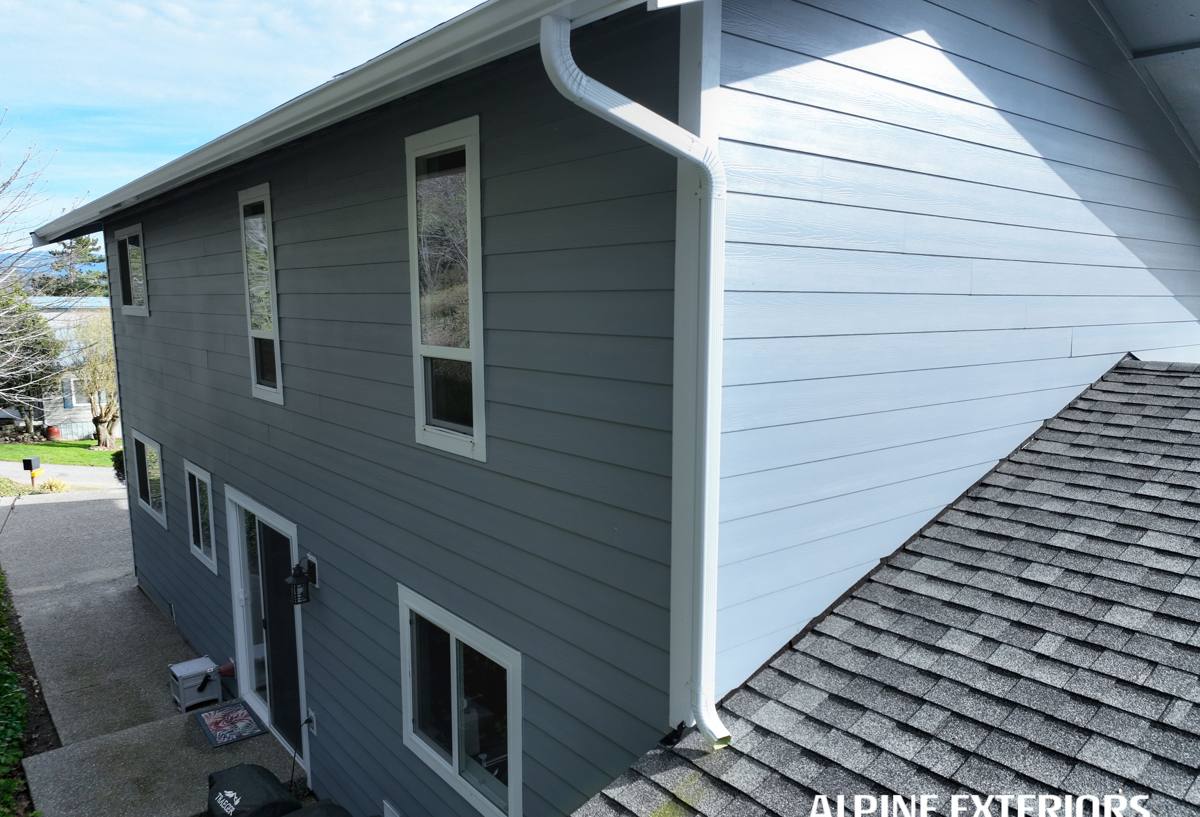
Why Local Climate Details Actually Change the Job
Wind Exposure
Homes near open water in St. Petersburg typically see higher sustained wind speeds and gustier conditions than homes shielded by other structures or dense tree cover. That affects nailing patterns, shingle selection, and how starter courses and hip/ridge lines get fastened. A roof spec that's technically up to code inland can still be under-built for a waterfront-adjacent lot.
UV and Heat
Florida sun is intense everywhere, but reflected light and heat off open water adds to the load on south- and west-facing slopes. Over time this dries out asphalt binders, which is why granule loss and early curling tend to show up sooner on homes with unobstructed water views than on shaded, tree-covered lots.
Salt Air and Corrosion
Salt in the air settles on every exposed metal component on a roof — nail heads, drip edge, flashing, vent stacks, pipe boots. Standard fasteners corrode faster in this environment, which is why fastener and flashing material selection matters more here than it would on a roof further from the bay.
Wind-Driven Rain
It's not just the wind and not just the rain — it's rain being pushed sideways and upward under shingle edges and around penetrations during a storm. This is where underlayment quality and flashing detail work do the most good, long before the shingles themselves ever come into play.
What a Correct Asphalt Shingle Job Looks Like Here
A shingle roof is a system, not a single product. On a peninsula home in St. Petersburg, every layer of that system needs to be chosen and installed with the local exposure in mind:
- Deck inspection and repair — plywood or OSB sheathing checked for soft spots, delamination, or old fastener damage before anything new goes down.
- Underlayment — a synthetic or self-adhering underlayment suited for high-wind, high-moisture exposure, not a minimum-code product.
- Drip edge and flashing — corrosion-resistant metal at eaves, rakes, valleys, and every penetration, sealed and fastened to hold under wind-driven rain.
- Shingle selection — architectural shingles with a wind rating appropriate for this exposure zone, not just whatever is cheapest per bundle.
- Nailing pattern — fastener count and placement matched to the wind zone and manufacturer requirements, not the bare code minimum.
- Ventilation — proper intake and exhaust airflow so heat and moisture don't get trapped under the deck, which shortens shingle life from underneath.
- Sealed penetrations — pipe boots, vents, and any roof-mounted equipment flashed and sealed with materials that hold up to salt exposure.
Repair, Replacement, or Recover — Making the Right Call
Not every roof issue in Pinellas Point means a full tear-off. Part of doing this job honestly is telling a homeowner when a repair will hold and when it won't.
| Situation | Likely Approach | Why |
|---|---|---|
| Isolated wind damage, deck sound, shingles under 10 years old | Targeted repair | Deck and surrounding shingles still have useful life; patching is cost-effective |
| Widespread granule loss, curling, or brittle shingles | Full replacement | Asphalt has aged out; repairs won't match or hold reliably |
| Soft spots or rot found during inspection | Deck repair before re-roofing | New shingles over a compromised deck won't hold fasteners correctly |
| Roof near end of manufacturer warranty life | Replacement, evaluate upgraded underlayment/flashing | Better to control the timeline than react to storm damage later |
| Recurring leaks at valleys or penetrations only | Flashing repair, not full replacement | Often a flashing or sealant failure, not a shingle failure |
A roof close to the water that's already showing granule loss, exposed felt, or lifted edges is a poor candidate for "just patch it and see." That's usually where a small problem becomes a much bigger one during the next windstorm.
Our Process for Pinellas Point Homes
1. Inspection
We start with a full roof and deck evaluation — not just a look from the ground. That includes checking flashing, penetrations, ventilation, and any prior repair work, since older homes in this area often have a mix of past patches from different contractors.
2. Honest Assessment
We tell you what we find in plain terms: what's fine, what needs attention now, and what can reasonably wait. If a repair will genuinely hold, we say so. If it won't, we explain why, not just push toward the bigger job.
3. Written Scope and Materials
Before any work starts, you get a clear scope: what's being removed, what's being installed, what fasteners and underlayment are specified, and what the wind/warranty rating of the shingle is. No vague line items.
4. Installation
Tear-off (when needed), deck repair, underlayment, flashing, and shingle installation, done to the exposure this location actually sees — not a generic statewide minimum.
5. Cleanup and Final Walkthrough
Full site cleanup including magnetic nail sweep, followed by a walkthrough so you can see the finished work and ask questions before we call the job done.
Why Hiring a Crew That Already Works Pinellas Point Matters
Roofing crews that work all over the Tampa Bay area, but don't specifically know the waterfront and near-waterfront neighborhoods of St. Petersburg, sometimes default to generic specs that meet code but don't account for the specific wind and salt exposure a peninsula lot sees. A crew that regularly works Pinellas Point and the surrounding St. Petersburg waterfront knows which details actually matter here: which fastener and flashing materials hold up against salt air over the long run, which nailing patterns are worth the extra labor on an exposed lot, and which shortcuts show up as call-backs two years later. That local pattern recognition doesn't show up on a spec sheet — it comes from doing the work in this specific environment repeatedly.
Maintaining a Shingle Roof Near the Water
Even a correctly installed roof benefits from basic upkeep, especially this close to the bay:
- Have the roof visually inspected after any significant storm, not just once a year.
- Keep gutters and downspouts clear so water isn't backing up under the shingle edge.
- Watch for granule buildup in gutters, which signals accelerating shingle wear.
- Have penetration flashing (vents, pipe boots) checked every few years — these fail before the shingles usually do.
- Address small leaks immediately; in a high-moisture coastal environment, delayed leaks lead to deck rot faster than in drier inland areas.
Insurance and Documentation Considerations
Homes in wind- and flood-exposed areas of Pinellas County often face closer scrutiny from insurers when it comes to roof age and condition. A documented, correctly installed roof with clear records of materials, wind rating, and installation date can matter at renewal time or after a claim. We provide documentation of the work performed and materials used so you have a clear record for insurance purposes, separate from any sales promises — just an accurate account of what was actually installed.
Get a Straightforward Estimate
If you're dealing with an aging shingle roof, storm damage, or just want an honest read on where your roof stands, we're happy to take a look. Request a free, no-pressure estimate using the form below, and we'll walk the roof, tell you what we see, and give you a clear picture of your options for your Pinellas Point home.