 St. Petersburg
 Custom Windows Built for How Pinellas Park Actually Lives
Pinellas Park sits inland from the open Gulf but still takes the full brunt of what Pinellas County weather throws at a house: long stretches of intense UV, sudden wind-driven rain squalls, and the salt-laden air that drifts across the peninsula from both the Gulf and Tampa Bay. Add in the very real chance of hurricane-force winds during storm season, and a window is no longer just a hole in the wall with glass in it — it's part of the building envelope that has to hold up against pressure, moisture, and debris.
A lot of the housing stock in and around Pinellas Park was built across several different decades, which means window openings are rarely uniform. Additions, enclosed porches converted to living space, and older concrete block construction all create openings that don't match anything you'll find pre-cut on a shelf. That's where "custom" stops being a marketing word and starts being a practical necessity — the window has to be built to the opening, not the other way around.
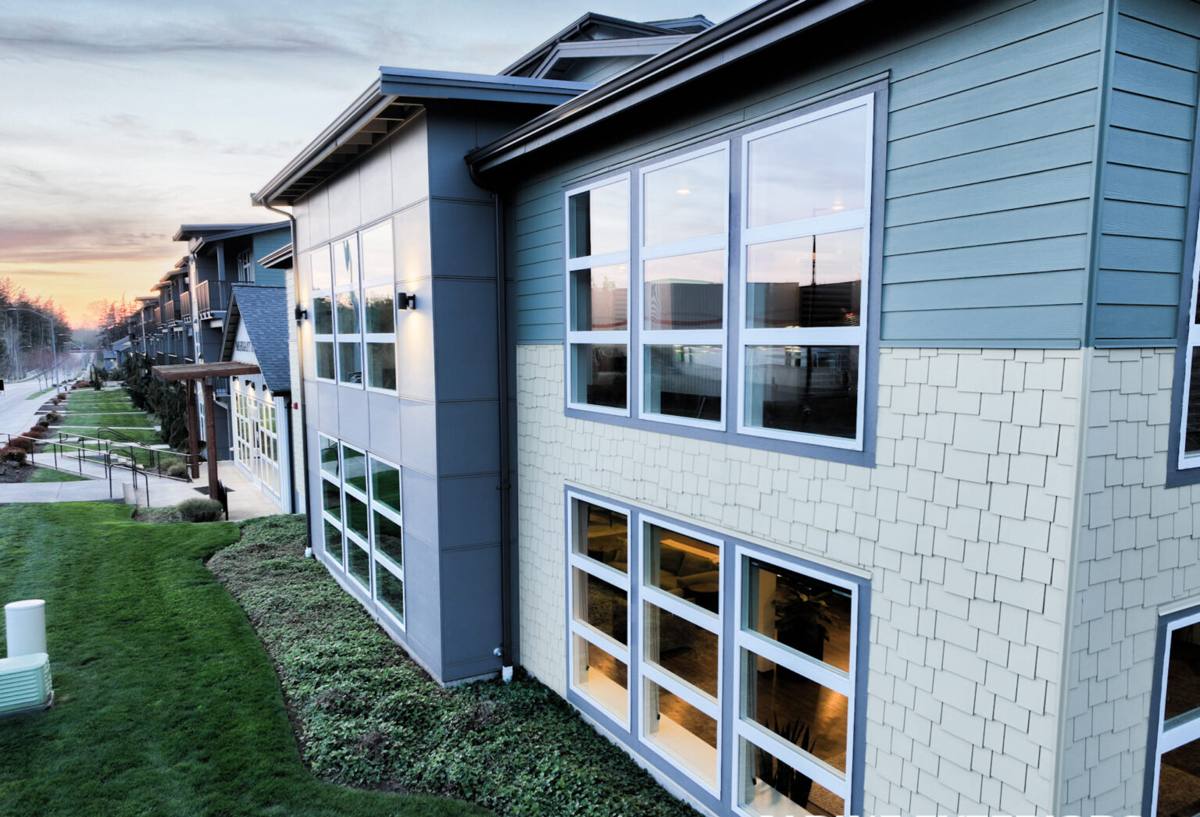
What "Custom" Really Means for a Pinellas Park Home
When we say custom windows, we mean windows manufactured to the exact dimensions and structural conditions of your specific opening, rather than pulling the closest stock size and forcing it to fit. For homeowners in Pinellas Park, that typically comes up in a few recurring situations:
- Odd or non-standard opening sizes in homes built or added onto before modern standard sizing became common
- Block construction where the rough opening has settled slightly out of square over the years
- Arched, angled, or specialty-shaped windows on the front elevation that stock sizing simply can't cover
- Replacing old aluminum jalousie or single-pane windows where the frame depth and mounting method don't match today's products
- Matching window lines across an addition so the whole house reads as one consistent design instead of a patchwork
Custom fabrication also matters for performance, not just fit. A window that's shimmed and packed with foam to fill gaps around an ill-fitting frame is a future leak point. A properly sized custom unit seats correctly against the opening, which is a big part of getting a wind- and water-tight installation in the first place.
Older Pinellas Park Homes Have Their Own Quirks
Many homes in this part of St. Petersburg were built with concrete block (CBS) construction, which is a good thing structurally but changes how a window needs to be installed compared to a wood-framed house. Anchoring, sealant selection, and flashing details all have to account for masonry, and older stucco or block openings sometimes have settled or been patched over the years in ways that aren't visible until the old window comes out.
Florida Building Code and Wind Requirements
Florida's building code takes wind performance seriously, and much of Pinellas County — including areas around Pinellas Park — falls within the state's wind-borne debris region, which affects what's required for window products near exterior openings. In practice, that means the window itself (or a code-compliant protective system paired with it) needs a documented wind and impact rating appropriate to the site, not just "hurricane glass" as a loosely used term.
This isn't just a box to check for a permit. It's the difference between a window that stays put and sealed during a wind event and one that becomes a failure point that lets wind and water into the house — which is often where the real storm damage starts. We pull permits and size products to meet current code for the specific property, not a generic assumption.
Frame Materials: What Holds Up Best Here
Frame material matters more in a coastal-influenced climate than it does inland. Salt air accelerates corrosion on the wrong metals, and constant UV exposure breaks down some materials faster than others. Here's how the common options compare for a Pinellas Park application:
| Material | Salt Air / Corrosion | UV & Fading Resistance | Maintenance | Typical Fit |
|---|---|---|---|---|
| Vinyl | Excellent — won't corrode | Good with modern UV-stabilized formulations | Low — no painting, occasional cleaning | Most common replacement choice |
| Fiberglass | Excellent | Very good, holds paint/color well | Low | Higher-end projects, larger spans |
| Aluminum | Fair — needs quality coating to resist pitting near salt air | Good | Moderate — coating can wear over time | Narrow sightline / impact-rated applications |
| Wood-clad | Poor without diligent upkeep | Moderate — exterior clad helps, interior wood needs care | High | Interior aesthetic priority, not our default coastal recommendation |
Our standard recommendation for this area leans toward vinyl or fiberglass frames for most replacement projects, because they hold up against salt air and sun with the least ongoing maintenance. Aluminum still has a place, particularly in certain impact-rated or narrow-frame designs, but it needs a genuinely good factory finish to perform well this close to the coast. Wood-clad has its appeal for interior appearance, but we're upfront that it carries a maintenance burden that doesn't fit every homeowner's priorities in a humid, salt-exposed environment.
Glass Packages That Actually Matter Here
The glass does as much work as the frame. A few things worth understanding before choosing a package:
Low-E Coatings
Low-emissivity coatings reduce how much solar heat transfers through the glass. In a climate with this much year-round sun, that translates to a noticeably more comfortable interior and less strain on the AC system, especially on windows facing south and west.
Laminated vs. Tempered Impact Glass
Impact-rated windows typically use laminated glass — two panes bonded around an interlayer — so that even if the outer pane cracks under wind-borne debris, the assembly stays intact and keeps the opening sealed. This is different from simple tempered safety glass, which is designed to break into small pieces rather than stay together. For wind-borne debris compliance, laminated construction is the relevant standard, not tempered glass alone.
Tint and Glare
Some homeowners add a light tint or higher-performance Low-E package on rooms that get harsh afternoon glare. It's a reasonable upgrade to discuss, but it's secondary to getting the structural glass package right first.
Installation Details That Determine Whether a Window Actually Performs
The product itself is only part of the equation — installation quality is what determines whether all that wind and water resistance shows up in real life. A few details we treat as non-negotiable:
- Correct flashing and sealant sequencing so water is directed out, not trapped behind the frame
- Anchoring specified for the actual substrate (block, wood framing, or a mix) and rated for the site's wind requirements
- Shimming and leveling to spec rather than "close enough," since an out-of-square frame stresses the sash and hardware over time
- Proper backer rod and sealant joints on the exterior, not just a bead of caulk over a gap
- Interior finish work that restores trim, drywall, or stucco cleanly around the new unit
A window with a strong impact rating installed poorly can still leak or fail at the frame connection during a storm. That's why we treat installation as equally important as product selection, not an afterthought once the window shows up on site.
Our Process for a Pinellas Park Window Project
We keep the process straightforward because most homeowners are doing this once and want to understand what's happening at each step:
- On-site assessment — we look at every opening individually, check the substrate condition, and note anything unusual (settled framing, old damage, non-standard sizing).
- Product and glass recommendation — based on orientation, exposure, and your budget, not a one-size-fits-all package.
- Precise measurement and custom order — windows are built to your actual openings, not stock dimensions.
- Permitting — we handle the paperwork so the job meets current Florida Building Code requirements for this location.
- Installation — proper removal of the old unit, substrate prep, correct anchoring and sealing, and clean interior/exterior finish work.
- Final walkthrough — we go over operation, locking hardware, and care before we consider the job done.
Signs Your Current Windows Are Already Failing
Homeowners often wait until a window is obviously broken before calling, but the climate here tends to cause slower, less obvious failures first. Worth checking for:
- Fogging or a hazy film between panes on double-pane windows — a sign the seal has failed
- Chalky or pitted aluminum frames, especially on windows facing prevailing wind and salt exposure
- Difficulty opening, closing, or locking, which can point to a frame that's shifted or warped
- Visible daylight or a draft around the frame when the window is closed
- Water staining on interior sills or drywall after heavy rain — often a flashing or sealant failure, not just an old window
- Peeling paint or soft wood trim around the frame from prolonged moisture exposure
Any one of these is worth a look before it turns into a bigger repair, particularly heading into storm season.
Why Local Experience in Pinellas Park Matters
Working regularly in this part of St. Petersburg means we're used to the mix of home ages and construction types found here, from older block homes to newer builds, and we already understand what Pinellas County's permitting and code requirements expect for wind and impact performance. That familiarity shortens the guesswork on measurement, product selection, and permitting — and it means the crew showing up at your door has actually done this work in this climate, on homes like yours, rather than treating Florida wind and salt exposure as an afterthought.
If your windows are original to the house, showing wear, or you're planning a renovation that includes new openings, we're happy to take a look and give you a straightforward assessment — no pressure, no hard sell. Reach out for a free estimate using the form below and we'll walk the property with you and talk through real options for your home.