 St. Petersburg
 New-Construction Windows in Kenneth City
Kenneth City sits tucked inside Pinellas County, surrounded by St. Petersburg, and shares the same exposure every home in this part of the coast deals with: hurricane-force wind events, sun that doesn't let up most of the year, wind-driven rain, and salt-laden air working on anything metal or poorly sealed. When we talk about "new-construction windows" here, we mean windows installed into a fresh rough opening — new home builds, room additions, or a full-frame replacement where the old window and its nailing fin come out down to the framing. That's a different job than dropping a replacement window into an existing frame, and it changes what's possible, what code requires, and what actually holds up long-term in this climate.
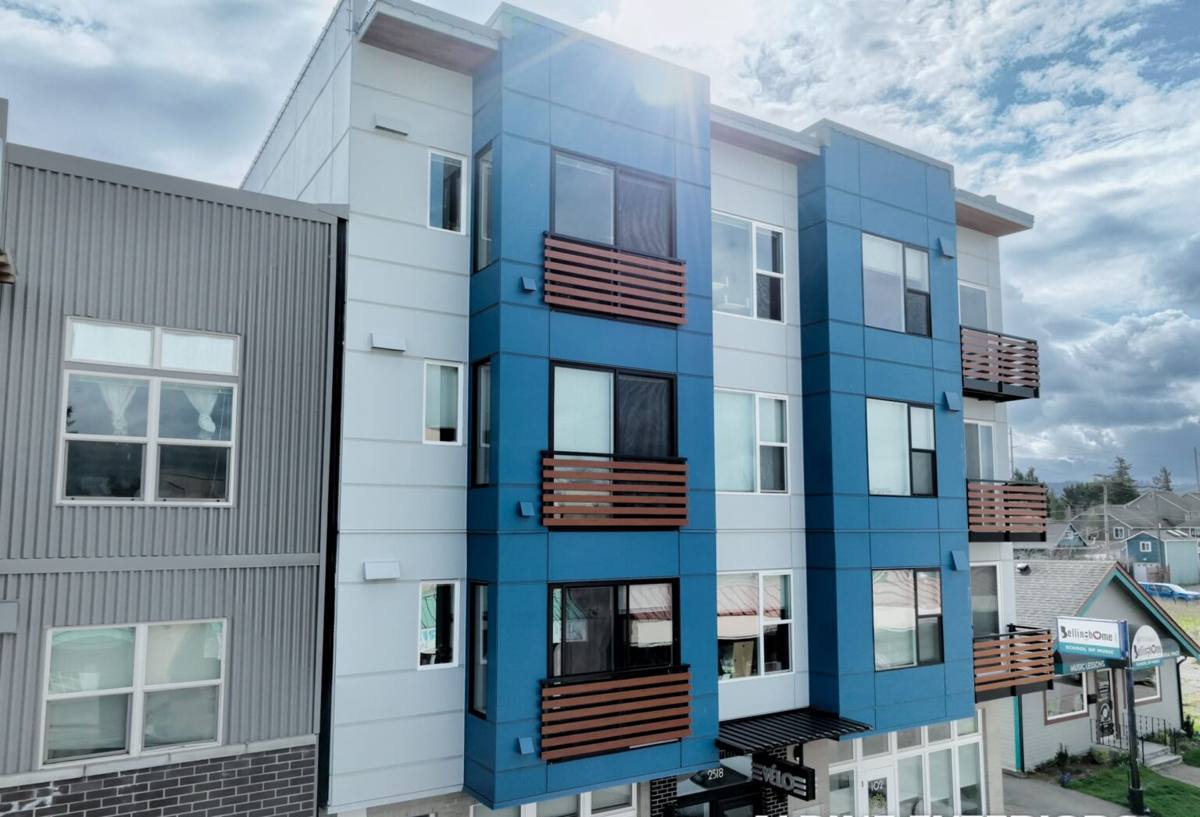
New Construction vs. Replacement: Why the Distinction Matters
A lot of homeowners use "new construction window" loosely, but the term has a specific meaning in our trade, and it matters for anyone comparing quotes.
New-Construction (Full-Frame) Windows
These have a nailing fin around the perimeter and are installed into a bare, framed rough opening — either because the house is being built, an addition is going up, or the existing window and frame are being torn out entirely. Full-frame installs let us inspect and repair the rough opening, install proper flashing from scratch, and set the window to current wind-load and water-management standards. This is the only route that gives us full access to correct old flashing mistakes or water damage hiding behind the original frame.
Replacement (Insert) Windows
These are sized to fit inside the existing frame, which stays in place. Faster and less invasive, but you're limited by whatever flashing and framing condition is already there — good or bad.
For Kenneth City homes doing an addition, a full renovation, or replacing windows that have real frame damage or were never flashed correctly to begin with, new-construction installation is usually the right call, even though it's more labor.
What Pinellas County's Climate Actually Demands
Every material and detail on a new-construction window install in this area has to answer to four things at once:
- Wind load — sustained tropical-storm and hurricane winds put real pressure on glass and frames, and that pressure has to be engineered for, not guessed at.
- Wind-driven rain — water doesn't just fall here, it gets pushed sideways into any gap in the flashing or sealant.
- UV exposure — near-constant sun degrades cheap vinyl, breaks down low-grade sealants, and fades interior finishes through unprotected glass.
- Salt air — even a few miles inland from Tampa Bay, airborne salt accelerates corrosion on fasteners, hardware, and untreated aluminum.
A window that's correctly rated and installed for a dry, inland climate will underperform here. The frame material, the glass package, and the installation sequence all need to be chosen with this specific exposure in mind.
Florida Building Code and Wind-Load Requirements
Pinellas County enforces the Florida Building Code, and new construction openings — including additions and full-frame replacements — have to meet current wind-load and opening-protection requirements for the property's wind zone and exposure category. In practice that means:
- Windows must carry a Florida product approval (or Miami-Dade NOA where applicable) rated for the design pressure at that specific address.
- Openings need either impact-rated glass or an approved protection system, since unprotected glass is one of the most common failure points in a wind event.
- Anchoring, fastener spacing, and sealant details all have to match the manufacturer's tested installation instructions — not general best practice, the specific approved system for that window.
- A permit and inspection are required for new-construction window installs; this isn't paperwork we skip to save time.
Whether your permit runs through Pinellas County or your local building department, the inspector is checking the same things: correct product approval for the opening, correct anchoring, and correct flashing and sealant sequence. Getting any one of those wrong can mean a failed inspection or, worse, a window that looks fine until the next storm.
What a Correct Installation Actually Involves
The window itself only matters as much as the install around it. Most window failures we're called to diagnose in this area trace back to the installation, not the product.
Rough Opening Prep
The framing has to be square, plumb, and structurally sound before anything goes in. On additions and new builds this is usually clean; on full-frame replacements, this is where we find prior water damage or rot that needs to be addressed first — not covered up.
Flashing Sequence
Flashing has to be layered correctly — sill pan first, then side flashing, then head flashing, each one overlapping the layer below it so water is always directed outward and down, never trapped behind the window. This "shingle" order is the single most important detail in keeping wind-driven rain out of the wall cavity.
Anchoring and Sealant
Fasteners, spacing, and embedment depth need to match the window's tested and approved installation instructions exactly — this is what the wind-load rating is actually based on. Sealant goes at specific points in the sequence, not just smeared around the trim afterward as a catch-all.
Final Inspection
A passed county or municipal inspection isn't a formality — it's a second set of eyes confirming the opening meets the code it was engineered to.
Choosing a Frame Material for This Climate
All four common frame materials can be built to meet Florida's wind-load requirements. The real differences show up over years of sun and salt exposure.
| Frame Material | Coastal/UV Performance | Trade-Offs |
|---|---|---|
| Vinyl | Good UV-stabilized vinyl holds up well and won't corrode; budget-friendly | Lower-grade vinyl can warp or discolor under years of intense sun; quality varies a lot by manufacturer |
| Aluminum | Strong, slim sightlines, common in impact-rated systems | Needs a quality finish to resist salt-air corrosion over time; conducts more heat than other options |
| Fiberglass | Very stable in heat and UV, minimal expansion/contraction | Higher upfront cost |
| Wood-clad | Traditional look, good insulator | More maintenance-sensitive in humid, salt-air conditions; cladding integrity matters a lot here |
We don't push one material as universally "best" — we walk through what fits the home's style, budget, and how much long-term maintenance the homeowner actually wants to take on, and we're upfront about the trade-offs of each.
Our Process for a New-Construction Window Project
- Site visit and assessment — we look at the rough openings (existing or planned), the home's wind zone and exposure, and talk through what you're trying to accomplish.
- Product and glass selection — matched to the required design pressure for your address, not a generic rating.
- Permitting — we pull the required permit and make sure the product approvals on file match what's actually going in.
- Installation — rough opening prep, flashing, anchoring, and sealant done in the correct sequence, to the manufacturer's tested instructions.
- Inspection and walkthrough — we schedule the required inspection and walk the finished openings with you before calling the job done.
Why Local Experience in Kenneth City Matters
Kenneth City is a small, tightly built community surrounded by St. Petersburg, and like a lot of Pinellas County neighborhoods, it has a mix of older homes from the mid-century building years alongside newer additions and renovations. A crew that already works this area knows the kind of framing and construction quirks that show up in homes of that era, understands the wind and exposure requirements specific to this part of the county, and isn't learning the local permitting process on your job. That familiarity shows up in fewer surprises, fewer change orders, and an install that's built to pass inspection the first time.
A Homeowner's Checklist Before Signing a New-Construction Window Contract
- Confirm the quoted windows carry Florida product approval rated for your address's wind zone.
- Ask whether the job is being pulled as a full-frame (new-construction) install or an insert/replacement — make sure it's what you actually asked for.
- Confirm a permit will be pulled and an inspection scheduled — a legitimate contractor won't skip this in Pinellas County.
- Ask what flashing system will be used and in what order it's installed.
- Get frame material options with honest trade-offs, not just a single "recommended" product.
- Confirm who is responsible for rough opening repairs if damage is found once the old window comes out.
Maintenance That Protects Your Investment
Even a correctly installed window needs a little upkeep in this climate. Rinse frames and hardware periodically to clear salt buildup, especially after storms. Check exterior sealant lines yearly for cracking or gaps, since sealant is the first thing UV exposure breaks down. Keep an eye on weep holes at the sill to make sure they're not blocked — they're there to let any water that does get in drain back out.
If you're planning an addition, a full window replacement, or new construction in Kenneth City, we're happy to walk the property, explain what your specific wind zone requires, and give you a clear, no-pressure estimate. There's a form below to get started whenever you're ready.